Environmental Health
NSF Water Filter Standards 42, 53, 58, and 401 Explained
Certification is claim-specific and model-specific: 42 is aesthetic, 53 health adsorption, 58 reverse osmosis, 401 emerging compounds.
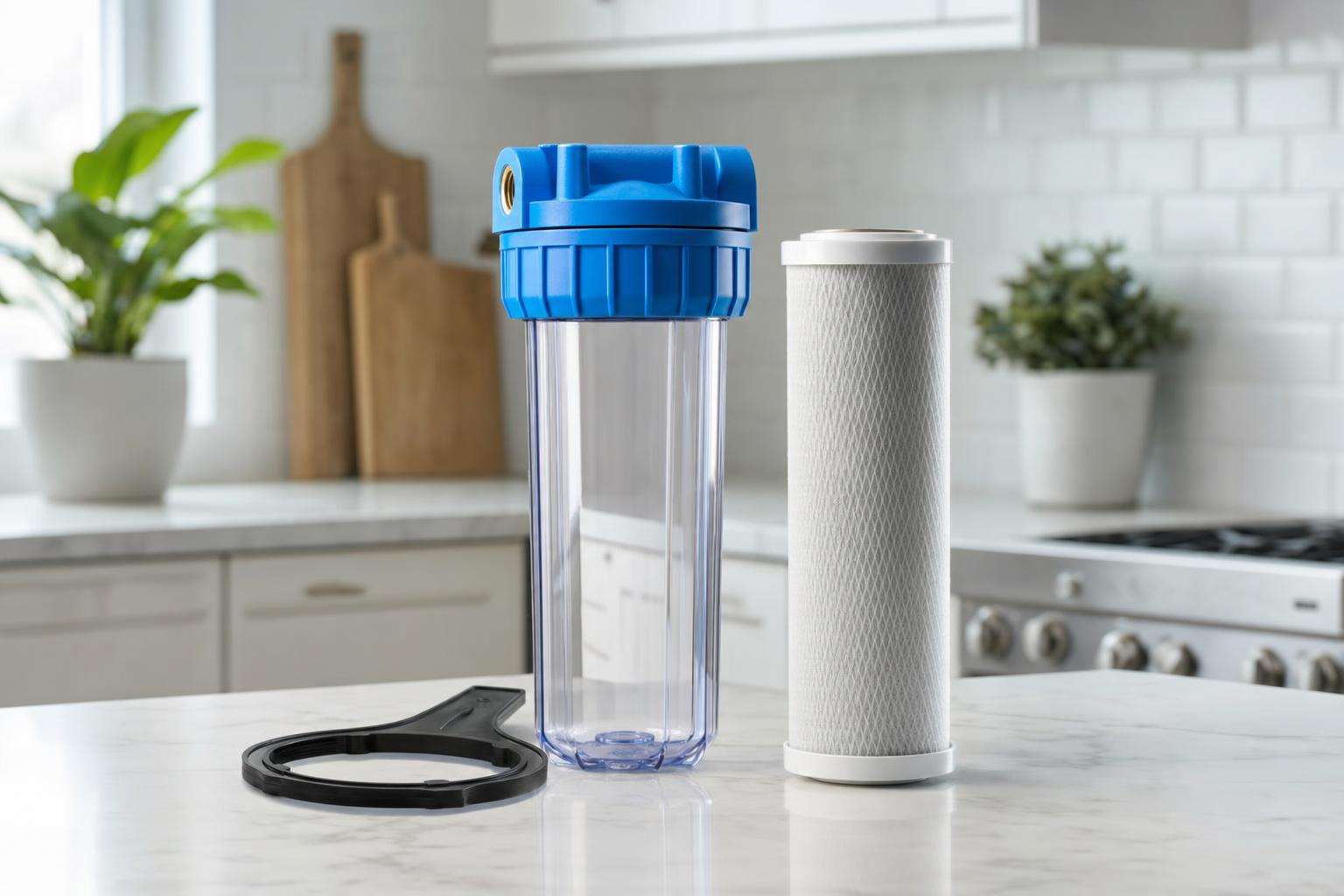
NSF/ANSI 42 = aesthetic (taste/odor/chlorine). 53 = health-effects adsorption claims (e.g., lead). 58 = reverse osmosis (TDS required). 401 = emerging compounds. Certification is claim- and model-specific; “tested to NSF” is weaker than a directory listing.
Residential filters are not federally required to carry NSF marks. The standards are voluntary performance and safety frameworks. Shopping well means decoding the number on the box, then verifying the exact model for the contaminant you care about.
This article is informational and editorial only. It is not medical advice, diagnosis, or a treatment plan. Numbers and literature ranges cited here are not personal prescriptions. Consult a qualified clinician before changing medications, supplements, diet, equipment, or management of a diagnosed condition. Seek urgent care for emergencies.
What do NSF/ANSI 42, 53, 58, and 401 each cover?
According to NSF’s standards library:
- 42 — Aesthetic effects: chlorine, taste/odor, chloramine, particulate, and related claims as listed.
- 53 — Health effects: health-related reductions (lead, Crypto cysts, VOCs, chromium, and many others)—only the claims on the data sheet count.
- 401 — Emerging compounds: up to roughly fifteen incidental contaminants (some pharma, pesticides/herbicides, chemicals).
- 58 — Reverse osmosis: required TDS reduction; efficiency/recovery; optional metals, nitrate, fluoride, cysts, VOCs, PFAS where claimed.
Related standards you may also see: 44 softeners, 55 UV Class A/B, 62 distillation, 177 shower chlorine, 244 intermittent microbiological, P231 purifiers, and NSF/ANSI/CAN 372 for lead content in materials.
| Goal | Primary standard | What to verify on the PDS |
|---|---|---|
| Better taste / chlorine | 42 | Chlorine claim + capacity gallons |
| Lead reduction | 53 | Explicit lead claim, challenge level, effluent max |
| PFAS (PFOA/PFOS) | 53 or 58 | PFAS reduction listing (EPA FS path) |
| Broad dissolved solids / well suite | 58 | TDS plus optional contaminant claims |
| Incidental pharma/pesticides | 401 | Which of the ~15 analytes are claimed |
How do you verify a real certification instead of a marketing sticker?
- Find the mark and exact model number on packaging or the product plate.
- Search an accredited certifier directory (NSF, WQA, IAPMO, UL, CSA, and others as relevant).
- Open the performance data sheet: contaminant, influent challenge, effluent maximum, percent reduction, capacity gallons, flow, replacement interval.
- Reject “tested to NSF” language without a live listing.
- Confirm replacement cartridges carry the needed claims—sometimes housings outlive certified media SKUs.
EPA’s April 2024 consumer filter fact sheet for PFAS points shoppers to NSF/ANSI 53 or 58 PFAS reduction via ANSI-accredited bodies and notes that listings may not yet guarantee reduction to the federal 4 ppt MCLs in all waters—still useful for exposure reduction when combined with re-testing.
What anti-patterns waste money or leave risk on the table?
- Assuming any NSF sticker equals comprehensive purification.
- Conflating 42 aesthetic chlorine removal with 53 health claims.
- Trusting marketplace keyword “NSF” without model listing.
- Buying expired certifications or discontinued models still sold on old claims.
- Stacking devices randomly instead of matching standards to a lab report.
How should you stack standards intentionally?
Urban multi-concern carbon systems often stack 42 + 53 + 401. Well-water or high-dissolved-solids homes often prioritize 58 RO with optional lead/arsenic/nitrate/fluoride/PFAS claims plus a 42 post-filter for taste. Softeners (44) address hardness, not PFAS. UV (55) addresses microbes on otherwise appropriate supplies—not chemical PFAS. Start from your water test, then shop the directory by contaminant, not by influencer unboxing order.
What should careful readers do with this evidence?
Use primary sources linked in this article before changing household systems, training plans, or clinical conversations. Prefer measurements—lab panels, water tests, training logs, or certified product listings—over marketing claims. When evidence is observational, say so out loud: associations can guide research priorities and low-regret habits without becoming promises of disease prevention. When guidance bodies publish cutoffs or MCLs, treat them as the public reference layer and verify whether your situation is inside that legal or clinical scope. Re-check living agency pages because regulations and practice guidelines update. If two reputable sources disagree, dual-source the claim and prefer the document that states methods, units, and populations clearly. Finally, keep sex, age, pregnancy, and comorbidity modifiers in view whenever the underlying literature is limited to one demographic group.
Health Canon’s editorial standard ranks large controlled trials and codified regulations above single cohorts; cohorts above mechanism speculation; marketing last. The goal of densifying this topic cluster is enough depth that a reader can act without outsourcing judgment to a headline. If you only remember one habit from this page, make it the habit of asking for units, sample, and maintenance or adherence conditions before trusting a number.
What should careful readers do with this evidence?
Use primary sources linked in this article before changing household systems, training plans, or clinical conversations. Prefer measurements—lab panels, water tests, training logs, or certified product listings—over marketing claims. When evidence is observational, say so out loud: associations can guide research priorities and low-regret habits without becoming promises of disease prevention. When guidance bodies publish cutoffs or MCLs, treat them as the public reference layer and verify whether your situation is inside that legal or clinical scope. Re-check living agency pages because regulations and practice guidelines update. If two reputable sources disagree, dual-source the claim and prefer the document that states methods, units, and populations clearly. Finally, keep sex, age, pregnancy, and comorbidity modifiers in view whenever the underlying literature is limited to one demographic group.
Health Canon’s editorial standard ranks large controlled trials and codified regulations above single cohorts; cohorts above mechanism speculation; marketing last. The goal of densifying this topic cluster is enough depth that a reader can act without outsourcing judgment to a headline. If you only remember one habit from this page, make it the habit of asking for units, sample, and maintenance or adherence conditions before trusting a number.
Sources & citations
Frequently asked