Environmental Health
Stachybotrys “Black Mold”: What the Evidence Actually Supports
Stachybotrys chartarum signals chronic moisture on cellulose materials. Toxic black mold media narratives overshoot mainstream dampness science—fix water first, not genus panic.
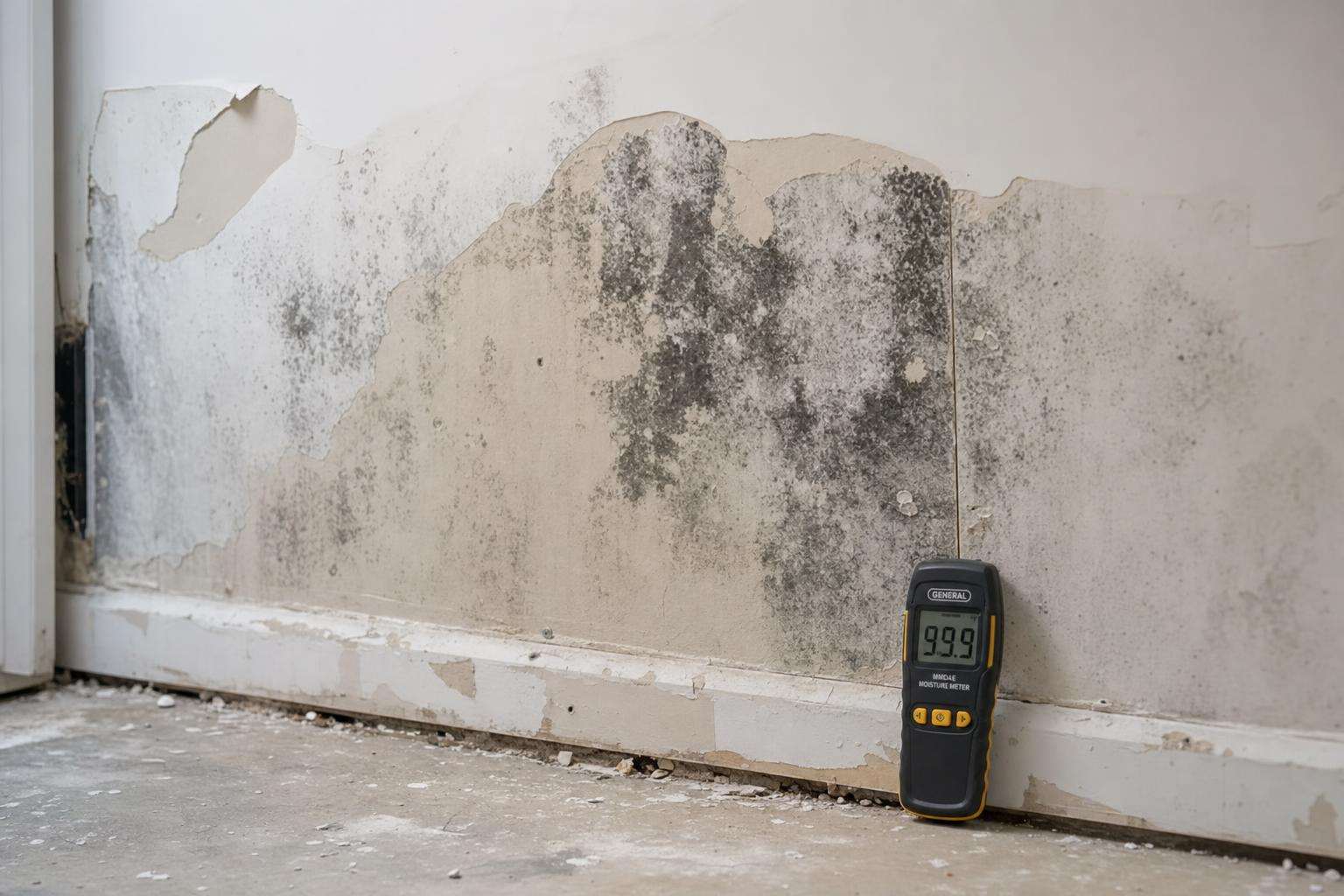
Stachybotrys chartarum marks chronic moisture on cellulose, not a magical unique toxin factory. CDC: fix water and remove mold—species ID not required for action. “Toxic black mold” media frames overshoot multi-agent dampness science.
Search results for black mold often leap from a bathroom photo to neurological catastrophe. The organism ecology and the public-health action list are calmer—and more useful.
This article is informational and editorial only. It is not medical advice, diagnosis, or a treatment plan. Numbers and literature ranges cited here are not personal prescriptions. Consult a qualified clinician before changing medications, supplements, diet, equipment, or management of a diagnosed condition. Seek urgent care for emergencies.
What is Stachybotrys chartarum in building ecology?
S. chartarum prefers cellulose-rich materials—paper-faced drywall, ceiling tiles, wood products—kept wet for prolonged periods. Its presence usually indicates a chronic moisture problem, not a one-hour shower steam event. Real buildings host mixtures of fungi, bacteria, and dampness-related agents; WHO’s multi-agent framing of damp indoor spaces remains the correct systems view rather than single-genus mythology.
Trichothecene mycotoxins produced by some Stachybotrys isolates inhibit protein synthesis and are potent in laboratory and historical agricultural poisoning contexts. That toxicology is real. The contested leap is equating lab potency with measured residential inhalation doses. Foodborne Fusarium trichothecenes such as deoxynivalenol are a clearer human dietary risk class than satratoxin air levels in typical homes.
| Claim layer | Evidence grade (editorial) | Action implication |
|---|---|---|
| Grows on chronically wet cellulose | Strong descriptive | Find and fix water |
| Can produce trichothecenes | Lab/organism fact | Do not equate to home dose |
| Unique cause of systemic “toxic mold syndrome” | Weak for mainstream claims | Avoid unvalidated detox protocols |
| Dampness ↑ respiratory outcomes | Strong epi (Fisk/Mendell/WHO) | Prioritize moisture control |
How should the Cleveland AIPH history be read?
1990s Cleveland investigations of acute idiopathic pulmonary hemorrhage in infants reported associations with water-damaged housing and fungi including Stachybotrys. CDC MMWR communications documented the cluster investigations. Subsequent expert review questioned causal strength; smoking exposures and other confounders appear in reassessments. The honest summary: hypothesis-generating history, not closed proof that Stachybotrys uniquely causes infant AIPH in every damp home.
Mainstream guidance coalesced around dampness as the actionable exposure. CDC’s current mold health pages emphasize that if you see or smell mold, remove it and fix moisture—species identification is not required for ordinary remediation decisions (CDC mold). IOM and later reviews link damp indoor spaces to respiratory outcomes while finding inadequate evidence for many systemic neurologic claims marketed under toxic mold banners.
What should households do instead of genus panic?
Inspect for leaks, condensation, poor grading, HVAC drip pans, and crawlspace moisture. Dry wet materials quickly. Remove porous materials with extensive colonization. Use trained remediators for large areas or contaminated water. Improve ventilation and maintain indoor relative humidity in comfort ranges that discourage mold growth without over-drying that harms other building elements.
Clinically, treat asthma and allergic disease per guidelines; evaluate infection risk in immunocompromised patients differently from immunocompetent allergy. Boutique urinary mycotoxin panels and extreme avoidance protocols are not first-line replacements for building repair and standard respiratory care. ACMT-type toxicology communications continue to push back on oversold systemic toxicity narratives from routine indoor mold.
Bottom line: respect Stachybotrys as a moisture indicator with real toxin potential in the wrong dose context—and refuse media frames that replace plumbing repairs with fear of a single Latin name. Water first, always.
Across environmental-health topics, the same discipline applies: define the exposure pathway, quote primary numbers with units, separate hazard from individual risk, and choose mitigations that actually touch the dominant dose. Unregulated detox products, extreme avoidance theater, and unit-free headlines consistently underperform simple engineering and clinical basics. When agency pages update, prefer the live primary document over secondary summaries that freeze old advisories as if they were law.
If you are building a household plan, sequence matters. Confirm the hazard with appropriate testing or inspection, reduce the largest ongoing source, maintain any filter or remediation system on schedule, and use standard medical care for symptoms. That order is slower to go viral than a scare list—and far more likely to change body burden, indoor air, or water quality in the real world.
Across environmental-health topics, the same discipline applies: define the exposure pathway, quote primary numbers with units, separate hazard from individual risk, and choose mitigations that actually touch the dominant dose. Unregulated detox products, extreme avoidance theater, and unit-free headlines consistently underperform simple engineering and clinical basics. When agency pages update, prefer the live primary document over secondary summaries that freeze old advisories as if they were law.
If you are building a household plan, sequence matters. Confirm the hazard with appropriate testing or inspection, reduce the largest ongoing source, maintain any filter or remediation system on schedule, and use standard medical care for symptoms. That order is slower to go viral than a scare list—and far more likely to change body burden, indoor air, or water quality in the real world.
Sources & citations
Frequently asked