Environmental Health
Mold Prevention Building Science: Humidity, Ventilation, Envelope
RH targets, exhaust, thermal bridges, and materials—prevention before species names.
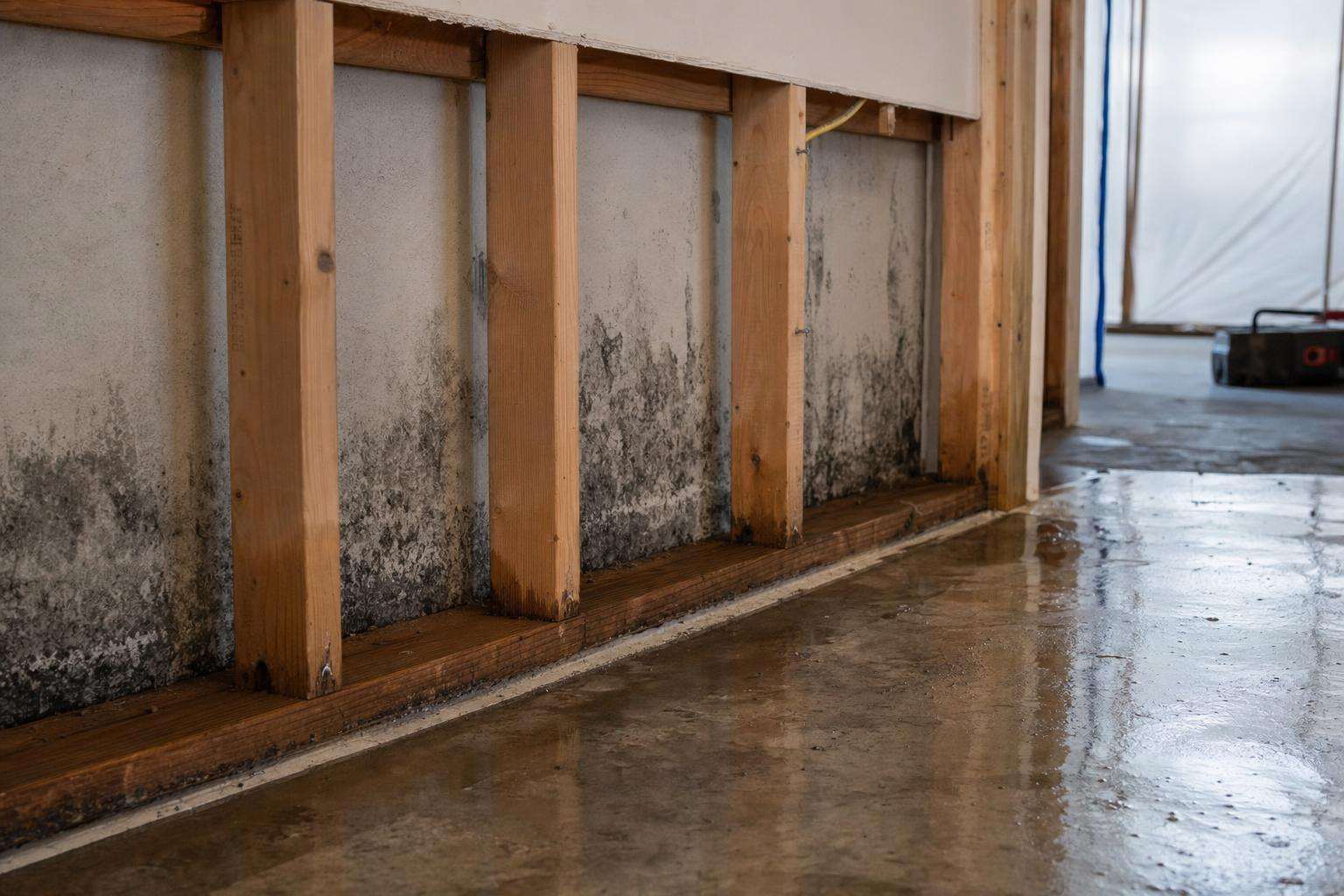
Prevention is building physics: stop liquid water, control condensation, exhaust wet rooms, keep RH ≤50%, dry floods in 24–48 h. Species names are secondary to moisture availability.
You cannot HEPA-filter your way out of a roof leak. Start with water.
This article is informational and editorial only. It is not medical advice, diagnosis, or a treatment plan. Numbers and literature ranges cited here are not personal prescriptions. Consult a qualified clinician before changing medications, supplements, diet, prenatal vitamins, housing remediation plans, or management of a diagnosed condition. Seek urgent care for emergencies.
What do WHO and CDC place at the center?
WHO highlights envelope design, temperature control, and ventilation to prevent dampness. CDC operationalizes homeowner steps: RH control, outdoor exhaust for baths/kitchens, leak repair, and rapid dry-out. EPA mold resources align on moisture as the master switch.
Microbes are ubiquitous; chronic water availability decides indoor amplification.
| Control | Target / action | Failure mode if skipped |
|---|---|---|
| RH | ≤50% (CDC framing) | Surface moisture & growth |
| Wet room exhaust | To outdoors | Chronic bath/kitchen mold |
| Flood response | Dry 24–48 h | Colonized porous materials |
| Envelope | No chronic leaks/bridges | Hidden wall cavity growth |
How do condensation and thermal bridges create hidden mold?
Warm moist indoor air hitting cold surfaces drops below dew point—window frames, poorly insulated corners, cold plumbing, and AC components. Insulation continuity, window performance, and avoiding stagnant cold closets matter as much as bleach rituals.
Basements and crawlspaces combine soil moisture, cool temperatures, and limited airflow—prime chronic damp zones.
What checklist should households run seasonally?
Inspect roofs and flashings; test bath fans to outdoors; clean dryer vents; empty AC pans; watch for musty odor and soft drywall; measure RH during humid months; avoid carpet on chronically wet slabs; respond to spills and leaks the same week, not the same year.
Equity note: poorly maintained housing concentrates dampness risks—prevention is public health, not only lifestyle blogging.
What should careful readers do with this evidence?
Translate research into personal decisions carefully. Population averages, laboratory teaching values, and regulatory monitoring tables are not individualized prescriptions. Prefer primary sources—agency guidelines, peer-reviewed systematic reviews, and trial outcome papers—over social media summaries that collapse detection into danger or genotype into destiny. When a claim would change medications, pregnancy planning, major diet restriction, or expensive testing, demand an outcome study or a guideline that actually supports the action.
Keep differential diagnosis open. Fatigue, brain fog, subfertility, and nonspecific symptoms have many causes. Environmental and genetic axes can matter, but they compete with sleep, training load, iron status, thyroid disease, mood disorders, infection, and medication effects. Sequence high-yield fundamentals first, then targeted evaluation, then optional optimization.
Re-check claims when new primary documents appear. Editorial discipline means stating uncertainty out loud and grading actions by outcomes rather than by how viral a pathway diagram becomes. Reversible low-cost habits usually dominate high-cost cascades built on weak intermediate biomarkers. If a protocol cannot name its effect size, population, and failure mode, it is not ready for first-line lifestyle theater. Document what would change your mind and what finding would escalate care to a clinician or building professional.
Re-check claims when new primary documents appear. Editorial discipline means stating uncertainty out loud and grading actions by outcomes rather than by how viral a pathway diagram becomes. Reversible low-cost habits usually dominate high-cost cascades built on weak intermediate biomarkers. If a protocol cannot name its effect size, population, and failure mode, it is not ready for first-line lifestyle theater. Document what would change your mind and what finding would escalate care to a clinician or building professional.
Re-check claims when new primary documents appear. Editorial discipline means stating uncertainty out loud and grading actions by outcomes rather than by how viral a pathway diagram becomes. Reversible low-cost habits usually dominate high-cost cascades built on weak intermediate biomarkers. If a protocol cannot name its effect size, population, and failure mode, it is not ready for first-line lifestyle theater. Document what would change your mind and what finding would escalate care to a clinician or building professional.
Re-check claims when new primary documents appear. Editorial discipline means stating uncertainty out loud and grading actions by outcomes rather than by how viral a pathway diagram becomes. Reversible low-cost habits usually dominate high-cost cascades built on weak intermediate biomarkers. If a protocol cannot name its effect size, population, and failure mode, it is not ready for first-line lifestyle theater. Document what would change your mind and what finding would escalate care to a clinician or building professional.
Re-check claims when new primary documents appear. Editorial discipline means stating uncertainty out loud and grading actions by outcomes rather than by how viral a pathway diagram becomes. Reversible low-cost habits usually dominate high-cost cascades built on weak intermediate biomarkers. If a protocol cannot name its effect size, population, and failure mode, it is not ready for first-line lifestyle theater. Document what would change your mind and what finding would escalate care to a clinician or building professional.
Re-check claims when new primary documents appear. Editorial discipline means stating uncertainty out loud and grading actions by outcomes rather than by how viral a pathway diagram becomes. Reversible low-cost habits usually dominate high-cost cascades built on weak intermediate biomarkers. If a protocol cannot name its effect size, population, and failure mode, it is not ready for first-line lifestyle theater. Document what would change your mind and what finding would escalate care to a clinician or building professional.
Sources & citations
Frequently asked