Environmental Health
Urinary Mycotoxin Tests: Evidence Grade for Indoor Mold Claims
Commercial urine mycotoxin panels are poorly validated for diagnosing building-related illness. Diet, lab variability, and weak clinical utility undermine cleanse-driving results.
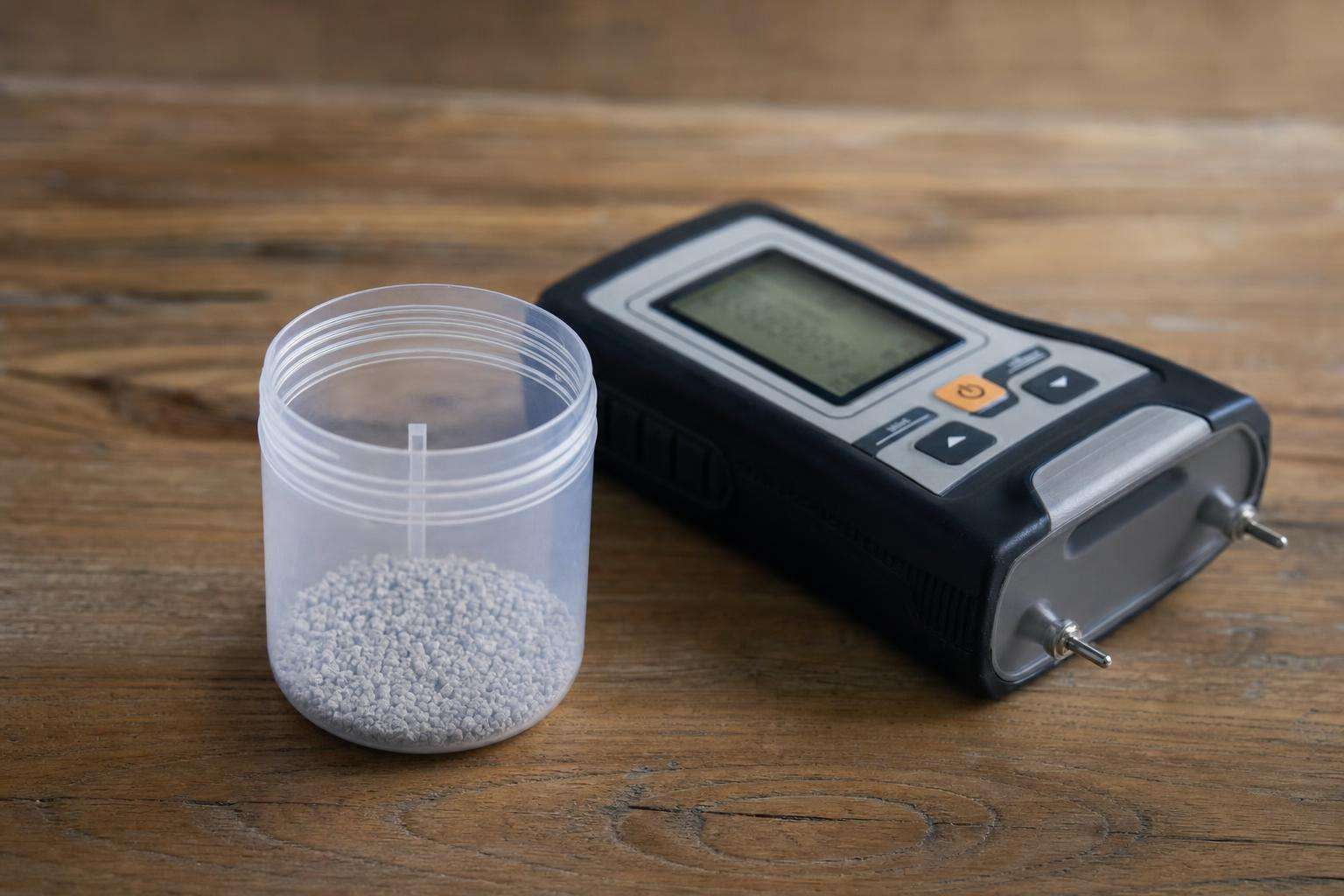
Commercial urine mycotoxin panels are low-utility for diagnosing indoor mold illness. Fix dampness and use clinical respiratory evaluation; do not let weak labs drive harsh drug cascades.
A colorful lab report can feel like clarity. Without validation against outcomes, it is often expensive ambiguity with a shopping cart attached.
This article is informational and editorial only. It is not medical advice, diagnosis, or a treatment plan. Numbers and literature ranges cited here are not personal prescriptions. Consult a qualified clinician before changing medications, supplements, diet, equipment, or management of a diagnosed condition. Seek urgent care for emergencies.
What would a useful test need?
Analytical validity, clinical validity, and clinical utility—changing outcomes when used.
Controls for diet and reliable reference intervals.
Agreement with independent building exposure metrics.
Where do urine panels fail those bars?
Unclear decision thresholds for “mold illness.”
Dietary and environmental confounds.
Loose coupling to remediation success.
| Approach | Evidence utility | Role |
|---|---|---|
| Urine mycotoxin panel | Low clinical utility | Often marketing |
| Clinical asthma/HP workup | Higher | Patient care |
| Moisture inspection | High for buildings | Root cause |
| Safe remediation | High | Exposure control |
What mainstream sequence still works?
History and exam → indicated pulmonary/allergy testing → remove moisture and moldy materials safely.
Temporary relocation if exposure is severe and symptoms track the building.
Avoid unvalidated multi-year detox stacks as first line.
How should editors grade claims?
Grade D: urine mycotoxins as definitive indoor diagnosis.
Grade A/B: dampness associated with respiratory outcomes in public-health literature.
Grade B: building moisture diagnostics and remediation hierarchy.
Sources: CDC mold; WHO dampness and mould; EPA mold resources.
Readers should dual-source primary literature, translate slogans into exposure units and effect sizes, and rank interventions by expected value under uncertainty. Cheap reversible steps often outrank extreme protocols. Opportunity cost is real: hours spent on unvalidated tests are hours not spent on sleep, training, protein adequacy, and primary care. Sex, life stage, comorbidities, medications, and geography change interpretation. Prefer falsifiable claims with named endpoints over multi-disease cure lists. Update beliefs when stronger trials appear rather than freezing identity around a single paper or influencer narrative. Measured curiosity beats both panic and complacency. Further reading should prioritize primary sources and consensus documents over secondary social summaries. When evidence is mixed, state both the signal and the limits in the same paragraph. When evidence is strong, still avoid overclaiming universality across populations. Pattern quality, dose, and adherence dominate most household decisions more than brand seals.
Context, dose, endpoint, and population must travel together; slogans that drop any of those four are not finished claims. Household decisions should favor reversible experiments with measurable outcomes over identity diets or unvalidated testing cascades.
Context, dose, endpoint, and population must travel together; slogans that drop any of those four are not finished claims. Household decisions should favor reversible experiments with measurable outcomes over identity diets or unvalidated testing cascades.
Context, dose, endpoint, and population must travel together; slogans that drop any of those four are not finished claims. Household decisions should favor reversible experiments with measurable outcomes over identity diets or unvalidated testing cascades.
Context, dose, endpoint, and population must travel together; slogans that drop any of those four are not finished claims. Household decisions should favor reversible experiments with measurable outcomes over identity diets or unvalidated testing cascades.
Context, dose, endpoint, and population must travel together; slogans that drop any of those four are not finished claims. Household decisions should favor reversible experiments with measurable outcomes over identity diets or unvalidated testing cascades.
Context, dose, endpoint, and population must travel together; slogans that drop any of those four are not finished claims. Household decisions should favor reversible experiments with measurable outcomes over identity diets or unvalidated testing cascades.
Context, dose, endpoint, and population must travel together; slogans that drop any of those four are not finished claims. Household decisions should favor reversible experiments with measurable outcomes over identity diets or unvalidated testing cascades.
Context, dose, endpoint, and population must travel together; slogans that drop any of those four are not finished claims. Household decisions should favor reversible experiments with measurable outcomes over identity diets or unvalidated testing cascades.
Context, dose, endpoint, and population must travel together; slogans that drop any of those four are not finished claims. Household decisions should favor reversible experiments with measurable outcomes over identity diets or unvalidated testing cascades.
Context, dose, endpoint, and population must travel together; slogans that drop any of those four are not finished claims. Household decisions should favor reversible experiments with measurable outcomes over identity diets or unvalidated testing cascades.
Context, dose, endpoint, and population must travel together; slogans that drop any of those four are not finished claims. Household decisions should favor reversible experiments with measurable outcomes over identity diets or unvalidated testing cascades.
Context, dose, endpoint, and population must travel together; slogans that drop any of those four are not finished claims. Household decisions should favor reversible experiments with measurable outcomes over identity diets or unvalidated testing cascades.
Context, dose, endpoint, and population must travel together; slogans that drop any of those four are not finished claims. Household decisions should favor reversible experiments with measurable outcomes over identity diets or unvalidated testing cascades.
Sources & citations
Frequently asked