Environmental Health
Mold-Related Hypersensitivity Pneumonitis and Infection Risks
HP, allergic fungal disease, and immunocompromised infection—host and dose matter.
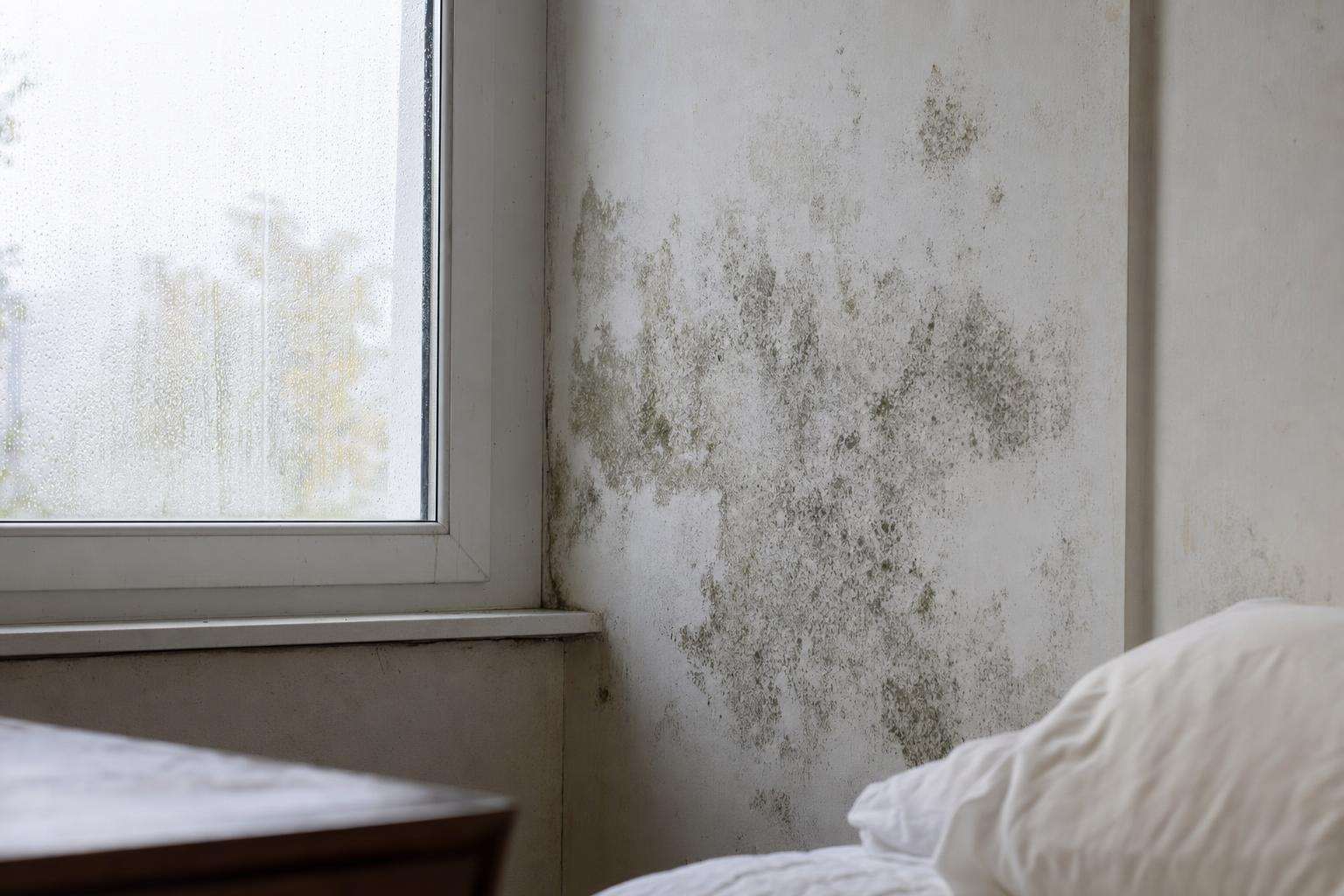
Mainstream mold disease includes hypersensitivity pneumonitis, allergic fungal airway disease, and infection in immunocompromised hosts. These require clinical pathways. They are not identical to contested multi-system biotoxin brands.
Host plus dose plus agent explains why the same building can be a nuisance for one person and a crisis for another.
This article is informational and editorial only. It is not medical advice, diagnosis, or a treatment plan. Numbers and literature ranges cited here are not personal prescriptions. Consult a qualified clinician before changing medications, supplements, diet, prenatal vitamins, housing remediation plans, or management of a diagnosed condition. Seek urgent care for emergencies.
How does HP differ from ordinary allergy?
CDC and dampness reviews describe a spectrum from irritation and allergy to less common immune lung diseases. HP involves sensitized immune responses with parenchymal lung involvement patterns distinct from simple rhinitis.
Diagnosis may involve exposure history, imaging, PFTs, and specialty input. Leaving the antigen source—or remediating it—is central.
| Syndrome | Host | First-line theme |
|---|---|---|
| Allergic rhinitis/asthma | Atopic / general | Moisture + standard allergy/asthma care |
| HP | Susceptible / high antigen | Antigen avoidance + specialty |
| Invasive infection | Immunocompromised | Urgent medical/antifungal pathways |
| Occupational dust disease | Workers | Industrial hygiene + PPE |
What about infection risk?
Invasive mold infections are a feared complication in susceptible hosts. Water damage in hospitals and homes becomes an infection-control issue for these patients. NIOSH addresses occupational health problems related to mold exposures.
Healthy immunocompetent adults with spot bathroom mold are usually in the allergy/irritation lane, not the antifungal lane.
How should triage work in primary care content?
Red flags: progressive dyspnea, hypoxia, fever, hemoptysis, known immunocompromise, occupational high load. Green flags for home care: minor visible mold with rhinitis, fixable moisture, controlled asthma plan.
WHO supports prevention via moisture control as population strategy while clinical medicine individualizes disease labels.
What should careful readers do with this evidence?
Translate research into personal decisions carefully. Population averages, laboratory teaching values, and regulatory monitoring tables are not individualized prescriptions. Prefer primary sources—agency guidelines, peer-reviewed systematic reviews, and trial outcome papers—over social media summaries that collapse detection into danger or genotype into destiny. When a claim would change medications, pregnancy planning, major diet restriction, or expensive testing, demand an outcome study or a guideline that actually supports the action.
Keep differential diagnosis open. Fatigue, brain fog, subfertility, and nonspecific symptoms have many causes. Environmental and genetic axes can matter, but they compete with sleep, training load, iron status, thyroid disease, mood disorders, infection, and medication effects. Sequence high-yield fundamentals first, then targeted evaluation, then optional optimization.
Re-check claims when new primary documents appear. Editorial discipline means stating uncertainty out loud and grading actions by outcomes rather than by how viral a pathway diagram becomes. Reversible low-cost habits usually dominate high-cost cascades built on weak intermediate biomarkers. If a protocol cannot name its effect size, population, and failure mode, it is not ready for first-line lifestyle theater. Document what would change your mind and what finding would escalate care to a clinician or building professional.
Re-check claims when new primary documents appear. Editorial discipline means stating uncertainty out loud and grading actions by outcomes rather than by how viral a pathway diagram becomes. Reversible low-cost habits usually dominate high-cost cascades built on weak intermediate biomarkers. If a protocol cannot name its effect size, population, and failure mode, it is not ready for first-line lifestyle theater. Document what would change your mind and what finding would escalate care to a clinician or building professional.
Re-check claims when new primary documents appear. Editorial discipline means stating uncertainty out loud and grading actions by outcomes rather than by how viral a pathway diagram becomes. Reversible low-cost habits usually dominate high-cost cascades built on weak intermediate biomarkers. If a protocol cannot name its effect size, population, and failure mode, it is not ready for first-line lifestyle theater. Document what would change your mind and what finding would escalate care to a clinician or building professional.
Re-check claims when new primary documents appear. Editorial discipline means stating uncertainty out loud and grading actions by outcomes rather than by how viral a pathway diagram becomes. Reversible low-cost habits usually dominate high-cost cascades built on weak intermediate biomarkers. If a protocol cannot name its effect size, population, and failure mode, it is not ready for first-line lifestyle theater. Document what would change your mind and what finding would escalate care to a clinician or building professional.
Re-check claims when new primary documents appear. Editorial discipline means stating uncertainty out loud and grading actions by outcomes rather than by how viral a pathway diagram becomes. Reversible low-cost habits usually dominate high-cost cascades built on weak intermediate biomarkers. If a protocol cannot name its effect size, population, and failure mode, it is not ready for first-line lifestyle theater. Document what would change your mind and what finding would escalate care to a clinician or building professional.
Re-check claims when new primary documents appear. Editorial discipline means stating uncertainty out loud and grading actions by outcomes rather than by how viral a pathway diagram becomes. Reversible low-cost habits usually dominate high-cost cascades built on weak intermediate biomarkers. If a protocol cannot name its effect size, population, and failure mode, it is not ready for first-line lifestyle theater. Document what would change your mind and what finding would escalate care to a clinician or building professional.
Sources & citations
Frequently asked