Environmental Health
Mainstream Clinical Approach to Suspected Mold Illness
History, asthma/allergy workup, building fixes—and what not to order first.
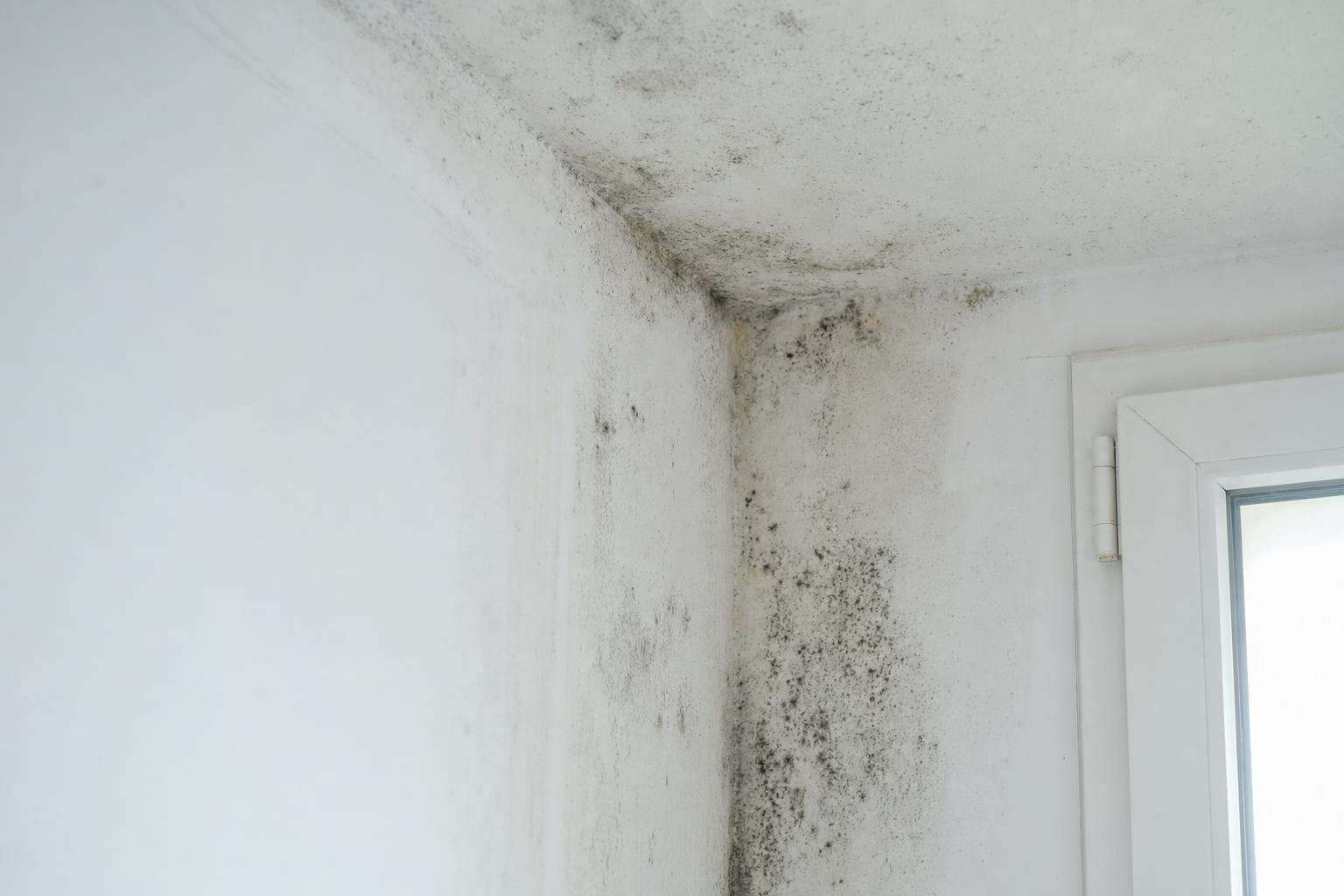
Mainstream care for suspected mold-related illness: history → differential → treat asthma/allergy/HP/infection risk → remediate moisture. Deprioritize urine mycotoxins and routine spore kits as gatekeepers.
The best mold doctor is often a good internist plus a competent remediator—not a binder subscription.
This article is informational and editorial only. It is not medical advice, diagnosis, or a treatment plan. Numbers and literature ranges cited here are not personal prescriptions. Consult a qualified clinician before changing medications, supplements, diet, prenatal vitamins, housing remediation plans, or management of a diagnosed condition. Seek urgent care for emergencies.
What does the visit sequence look like?
Exposure and symptom linkage, vital signs and oxygen when indicated, chest exam, spirometry, and targeted labs or imaging. CDC mold pages and historical MMWR communications emphasize practical moisture control over ritual testing.
Document immunosuppression and occupation early—they change the entire risk model.
| Step | Do | Deprioritize |
|---|---|---|
| History | Building timeline, host risks | Immediate toxin panel shopping |
| Medical testing | Spirometry/allergy/HP workup as indicated | Urine mycotoxins as gatekeeper |
| Environment | Moisture repair + RH control | Endless air cassettes pre-fix |
| Therapy | Guideline asthma/allergy; specialty HP | Unvalidated binder stacks first |
What environmental prescription is Grade A public health?
Fix leaks, dry wet materials quickly, keep indoor RH no higher than about fifty percent, exhaust wet rooms outdoors, and remove unsalvageable porous materials. Large jobs need professional standards and PPE.
Medical therapy remains syndrome-guided: controllers for asthma, intranasal steroids for rhinitis, specialty therapy for HP, antifungals only for true infection entities.
How to handle contested labels ethically?
UCLA Health notes CIRS is not considered an established medical diagnosis and protocols are disputed. That does not mean symptoms are fake. It means clinicians must still run differential diagnosis and evidence-graded care.
Offer building intervention common ground even when biomarker panels are not accepted.
What should careful readers do with this evidence?
Translate research into personal decisions carefully. Population averages, laboratory teaching values, and regulatory monitoring tables are not individualized prescriptions. Prefer primary sources—agency guidelines, peer-reviewed systematic reviews, and trial outcome papers—over social media summaries that collapse detection into danger or genotype into destiny. When a claim would change medications, pregnancy planning, major diet restriction, or expensive testing, demand an outcome study or a guideline that actually supports the action.
Keep differential diagnosis open. Fatigue, brain fog, subfertility, and nonspecific symptoms have many causes. Environmental and genetic axes can matter, but they compete with sleep, training load, iron status, thyroid disease, mood disorders, infection, and medication effects. Sequence high-yield fundamentals first, then targeted evaluation, then optional optimization.
Re-check claims when new primary documents appear. Editorial discipline means stating uncertainty out loud and grading actions by outcomes rather than by how viral a pathway diagram becomes. Reversible low-cost habits usually dominate high-cost cascades built on weak intermediate biomarkers. If a protocol cannot name its effect size, population, and failure mode, it is not ready for first-line lifestyle theater. Document what would change your mind and what finding would escalate care to a clinician or building professional.
Re-check claims when new primary documents appear. Editorial discipline means stating uncertainty out loud and grading actions by outcomes rather than by how viral a pathway diagram becomes. Reversible low-cost habits usually dominate high-cost cascades built on weak intermediate biomarkers. If a protocol cannot name its effect size, population, and failure mode, it is not ready for first-line lifestyle theater. Document what would change your mind and what finding would escalate care to a clinician or building professional.
Re-check claims when new primary documents appear. Editorial discipline means stating uncertainty out loud and grading actions by outcomes rather than by how viral a pathway diagram becomes. Reversible low-cost habits usually dominate high-cost cascades built on weak intermediate biomarkers. If a protocol cannot name its effect size, population, and failure mode, it is not ready for first-line lifestyle theater. Document what would change your mind and what finding would escalate care to a clinician or building professional.
Re-check claims when new primary documents appear. Editorial discipline means stating uncertainty out loud and grading actions by outcomes rather than by how viral a pathway diagram becomes. Reversible low-cost habits usually dominate high-cost cascades built on weak intermediate biomarkers. If a protocol cannot name its effect size, population, and failure mode, it is not ready for first-line lifestyle theater. Document what would change your mind and what finding would escalate care to a clinician or building professional.
Re-check claims when new primary documents appear. Editorial discipline means stating uncertainty out loud and grading actions by outcomes rather than by how viral a pathway diagram becomes. Reversible low-cost habits usually dominate high-cost cascades built on weak intermediate biomarkers. If a protocol cannot name its effect size, population, and failure mode, it is not ready for first-line lifestyle theater. Document what would change your mind and what finding would escalate care to a clinician or building professional.
Re-check claims when new primary documents appear. Editorial discipline means stating uncertainty out loud and grading actions by outcomes rather than by how viral a pathway diagram becomes. Reversible low-cost habits usually dominate high-cost cascades built on weak intermediate biomarkers. If a protocol cannot name its effect size, population, and failure mode, it is not ready for first-line lifestyle theater. Document what would change your mind and what finding would escalate care to a clinician or building professional.
Sources & citations
Frequently asked