Environmental Health
Damp Buildings and Asthma: Effect Sizes from Fisk, Mendell, and WHO
Meta-analyses link home dampness and mold to roughly 30–50% higher odds of respiratory outcomes. The intervention is moisture control—not essential oil theater.
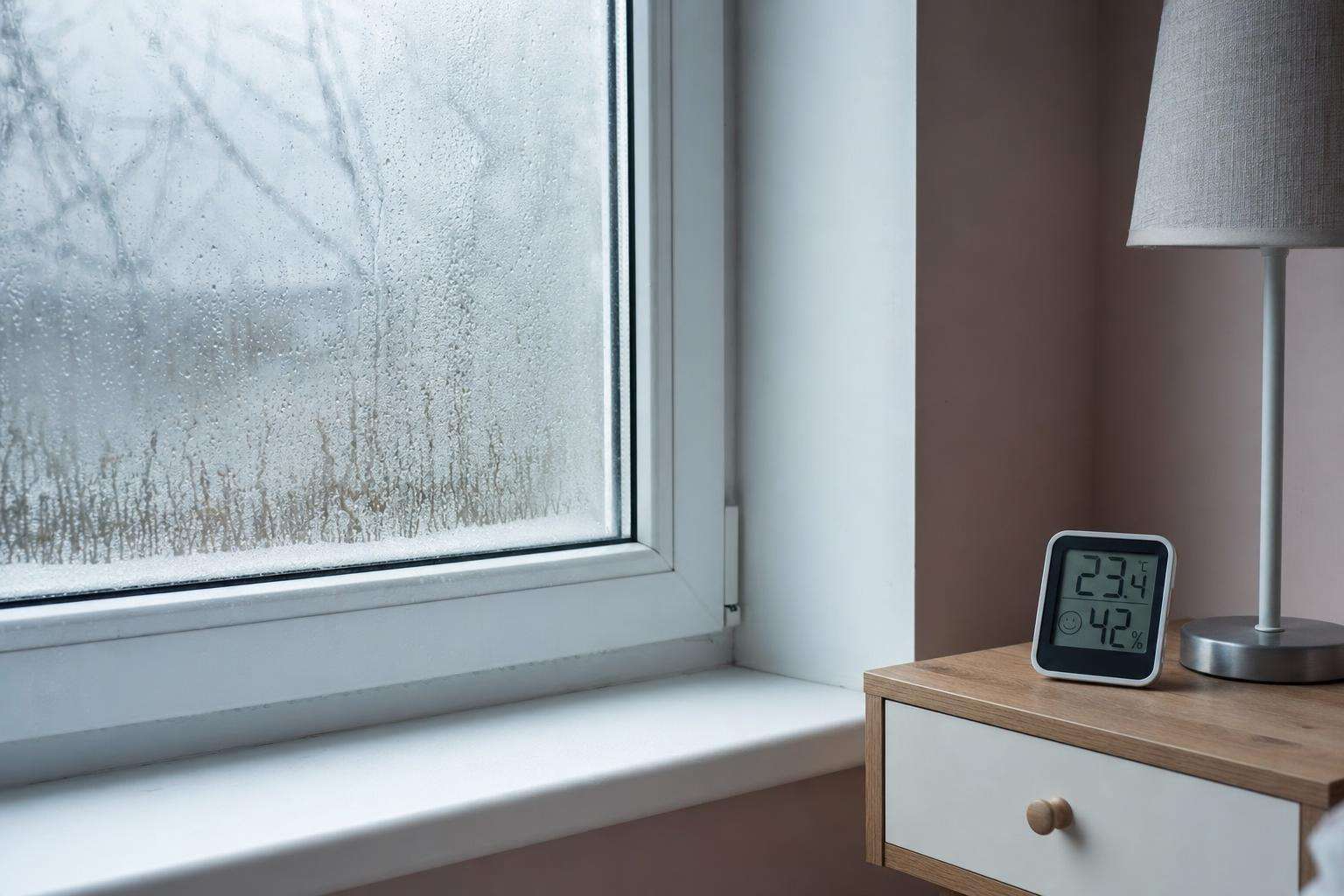
Dampness and mold track ~30–50% higher respiratory/asthma-related outcomes in meta-analyses (Fisk). Current-asthma ORs near 1.5 appear in impact papers. Fix moisture; do not mask with fragrance. Species ID optional for action.
If PFAS is a parts-per-trillion chemistry story, residential mold is a building-physics story with clinical consequences. The best evidence does not require identifying every spore genus before acting.
This article is informational and editorial only. It is not medical advice, diagnosis, or a treatment plan. Numbers and literature ranges cited here are not personal prescriptions. Consult a qualified clinician before changing medications, supplements, diet, equipment, or management of a diagnosed condition. Seek urgent care for emergencies.
What do major evidence syntheses show for dampness and asthma?
Fisk and colleagues’ 2007 meta-analyses associated building dampness and mold with approximately 30–50% increases in a variety of respiratory and asthma-related outcomes, with some endpoint tables spanning higher ranges depending on definitions (PubMed 17661925). Public-health impact analyses summarizing Fisk have cited odds ratios for current asthma near 1.56 (roughly 1.3–1.86 in reported intervals) in homes with dampness and mold.
Mendell and colleagues’ 2011 review reinforced consistent associations between evident indoor dampness or mold and respiratory or allergic effects, supporting causal plausibility for selected outcomes after weighing study quality. Quansah et al. (2012) linked residential dampness and molds to increased risk of developing asthma, with visible mold related to incident disease in pooled data. WHO guidelines on dampness and mould translate that literature into prevention-oriented public-health guidance.
| Source frame | Signal | Use |
|---|---|---|
| Fisk 2007 meta | ~30–50% higher respiratory outcomes | Population effect size |
| Impact summaries | OR ~1.56 current asthma | Housing policy math |
| Mendell 2011 | Consistent respiratory associations | Evidence quality map |
| CDC action pages | Fix moisture; species optional | Household checklist |
Why is moisture the primary intervention variable?
Damp materials support fungi, bacteria, and dust-mite ecology simultaneously. Spore counts fluctuate with air movement and sampling methods; water stains and musty odors often track risk more actionably. That multi-agent reality explains why CDC tells residents to remediate visible mold and fix leaks without mandatory species panels (CDC mold).
Clinical care still matters. Uncontrolled asthma needs controller medication, trigger plans, and follow-up regardless of housing quality. Housing repair and medical therapy are complementary. Immunocompromised patients require separate infection-risk evaluation when fungal disease is suspected—different from allergic asthma pathways in healthy hosts.
What should households and landlords implement?
Control liquid water: roof, plumbing, grading, appliance pans. Control vapor and humidity: bath/kitchen exhaust, right-sized dehumidification, adequate ventilation. Dry wet materials within 24–48 hours after clean-water events when possible. Discard heavily colonized porous materials. Avoid fragranced cover-ups that add irritants.
After floods, follow public-health guidance on personal protective equipment and gutting timelines. Document conditions for insurance and housing code enforcement when landlords delay repairs—dampness is not merely cosmetic.
Bottom line: the asthma–dampness literature is one of indoor environmental health’s stronger effect-size stories. Measure moisture, not marketing mycotoxin fear, and pair building repairs with standard asthma care.
Across environmental-health topics, the same discipline applies: define the exposure pathway, quote primary numbers with units, separate hazard from individual risk, and choose mitigations that actually touch the dominant dose. Unregulated detox products, extreme avoidance theater, and unit-free headlines consistently underperform simple engineering and clinical basics. When agency pages update, prefer the live primary document over secondary summaries that freeze old advisories as if they were law.
If you are building a household plan, sequence matters. Confirm the hazard with appropriate testing or inspection, reduce the largest ongoing source, maintain any filter or remediation system on schedule, and use standard medical care for symptoms. That order is slower to go viral than a scare list—and far more likely to change body burden, indoor air, or water quality in the real world.
Across environmental-health topics, the same discipline applies: define the exposure pathway, quote primary numbers with units, separate hazard from individual risk, and choose mitigations that actually touch the dominant dose. Unregulated detox products, extreme avoidance theater, and unit-free headlines consistently underperform simple engineering and clinical basics. When agency pages update, prefer the live primary document over secondary summaries that freeze old advisories as if they were law.
If you are building a household plan, sequence matters. Confirm the hazard with appropriate testing or inspection, reduce the largest ongoing source, maintain any filter or remediation system on schedule, and use standard medical care for symptoms. That order is slower to go viral than a scare list—and far more likely to change body burden, indoor air, or water quality in the real world.
Across environmental-health topics, the same discipline applies: define the exposure pathway, quote primary numbers with units, separate hazard from individual risk, and choose mitigations that actually touch the dominant dose. Unregulated detox products, extreme avoidance theater, and unit-free headlines consistently underperform simple engineering and clinical basics. When agency pages update, prefer the live primary document over secondary summaries that freeze old advisories as if they were law.
If you are building a household plan, sequence matters. Confirm the hazard with appropriate testing or inspection, reduce the largest ongoing source, maintain any filter or remediation system on schedule, and use standard medical care for symptoms. That order is slower to go viral than a scare list—and far more likely to change body burden, indoor air, or water quality in the real world.
Sources & citations
Frequently asked