Environmental Health
Microplastics in Indoor Air and Dust: Inhalation Exposure Explained
Inhalation is a first-class microplastic route—especially textile microfibers indoors. Cox 2019 shows diet+inhalation roughly doubles to triples annual particle intake vs diet alone.
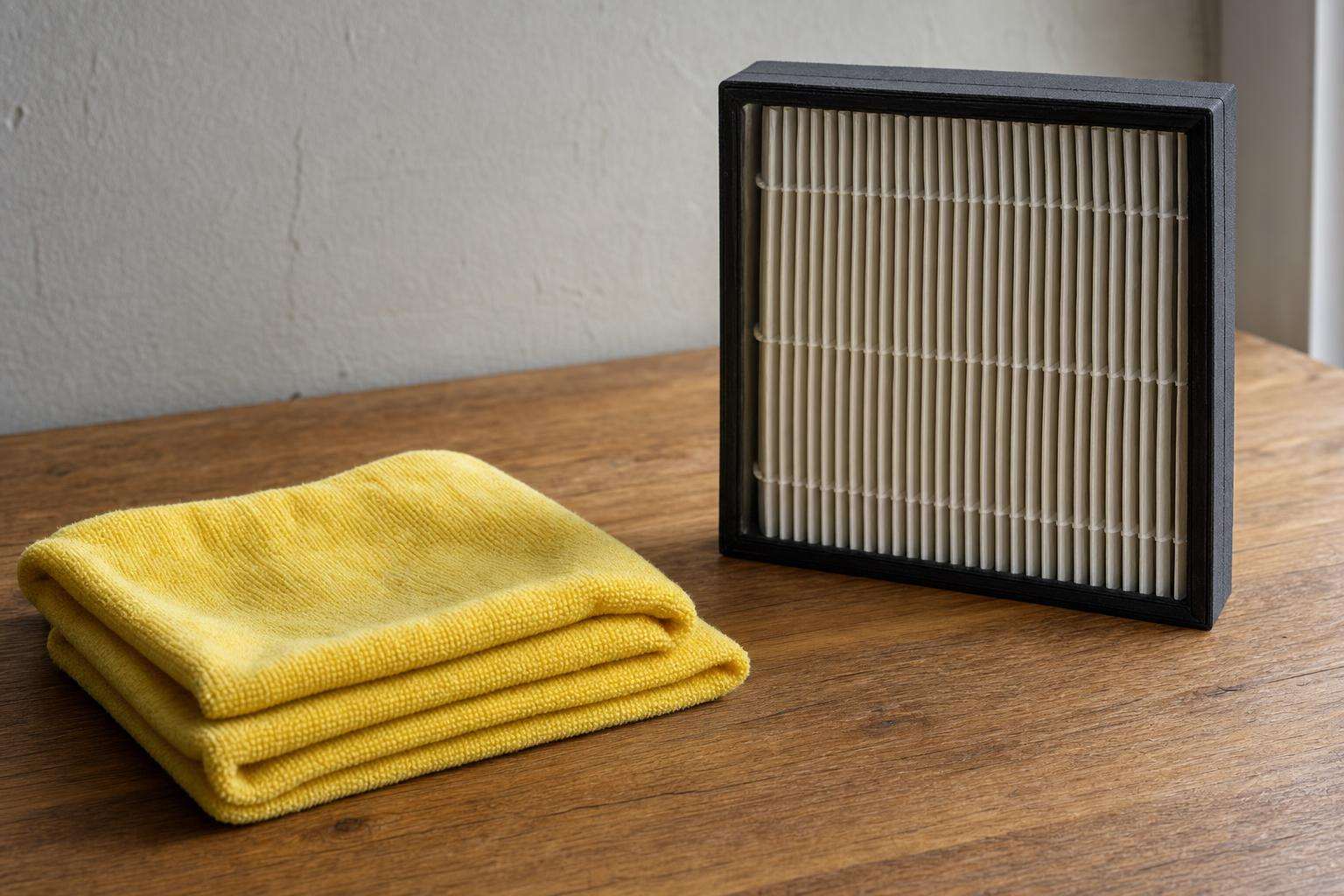
Inhalation is first-class exposure—especially indoor textile microfibers. Cox 2019: diet ~39–52k particles/year vs diet+inhalation ~74–121k. Respiratory harm is suspected (Chartres), not proven ambient causation.
If your microplastic story is only oysters and bottles, half the house is missing from the inventory.
This article is informational and editorial only. It is not medical advice, diagnosis, or a treatment plan. Numbers and literature ranges cited here are not personal prescriptions. Consult a qualified clinician before changing medications, supplements, diet, equipment, or management of a diagnosed condition. Seek urgent care for emergencies.
What numbers put inhalation on the map?
Cox et al. 2019 ES&T evaluated about 15 percent of Americans caloric intake and estimated annual consumption of 39,000–52,000 particles by age and sex, rising to 74,000–121,000 with inhalation. Adult males estimated higher daily counts than pediatric females in secondary summaries of the same model.
WHO 2022 assesses inhalation alongside diet for nano- and microplastics. Intake models remain lower bounds relative to nano-era methods that count far more particles in some media such as bottled water.
Why indoor fibers and dust matter so much?
Indoor time often exceeds 80–90 percent of the day for many populations—an amplifier of indoor sources even when outdoor air is dirtier for other pollutants. Clothing, soft furnishings, and carpets continuously shed synthetic fibers. Activity resuspends dust into air that is then re-inhaled and re-settled.
Children add dust ingestion via hand-to-mouth to the inhalation pathway. Aerodynamic size governs lung deposition; smaller micro- and nanoplastics raise translocation questions still under active research.
| Route | Notes |
|---|---|
| Diet (Cox evaluated foods) | ~39–52k particles/year |
| Diet + inhalation (Cox) | ~74–121k particles/year |
| Indoor fibers | Default residential morphology |
| Dust ingestion | Children especially |
| Occupational plastic dust | Hazard signal; not ambient surrogate |
How should health risk language be framed?
Chartres 2024 systematic review uses suspected harm for respiratory (and reproductive/digestive) systems without overclaiming certainty. Separate ambient consumer exposure from factory fiber lung pathology literature.
Particle aerodynamic behavior and additive leachables both matter. Do not convert every HEPA purchase into a medical device claim without evidence of microplastic-specific removal performance.
What practical mitigations and anti-patterns matter?
Break the resuspension loop with HEPA vacuuming, doormats, and less tracking. Source control means less synthetic shedding where feasible. Ventilation is context dependent for outdoor particle import.
Anti-patterns: only seafood matters, purifiers that claim total MNP elimination without evidence, conflating general PM2.5 benefits with microplastic-specific proof, and ignoring outdoor tire-wear while discussing only laundry fibers. Inhalation belongs in every exposure ranking.
Editorial note: ranges and protocol bands cited here are literature and guideline context for shared decision-making with clinicians—not self-directed treatment schedules, home lab targets, or substitute care for emergencies or progressive organ disease.
Editorial note: ranges and protocol bands cited here are literature and guideline context for shared decision-making with clinicians—not self-directed treatment schedules, home lab targets, or substitute care for emergencies or progressive organ disease.
Editorial note: ranges and protocol bands cited here are literature and guideline context for shared decision-making with clinicians—not self-directed treatment schedules, home lab targets, or substitute care for emergencies or progressive organ disease.
Editorial note: ranges and protocol bands cited here are literature and guideline context for shared decision-making with clinicians—not self-directed treatment schedules, home lab targets, or substitute care for emergencies or progressive organ disease.
Editorial note: ranges and protocol bands cited here are literature and guideline context for shared decision-making with clinicians—not self-directed treatment schedules, home lab targets, or substitute care for emergencies or progressive organ disease.
Editorial note: ranges and protocol bands cited here are literature and guideline context for shared decision-making with clinicians—not self-directed treatment schedules, home lab targets, or substitute care for emergencies or progressive organ disease.
Editorial note: ranges and protocol bands cited here are literature and guideline context for shared decision-making with clinicians—not self-directed treatment schedules, home lab targets, or substitute care for emergencies or progressive organ disease.
Editorial note: ranges and protocol bands cited here are literature and guideline context for shared decision-making with clinicians—not self-directed treatment schedules, home lab targets, or substitute care for emergencies or progressive organ disease.
Editorial note: ranges and protocol bands cited here are literature and guideline context for shared decision-making with clinicians—not self-directed treatment schedules, home lab targets, or substitute care for emergencies or progressive organ disease.
Editorial note: ranges and protocol bands cited here are literature and guideline context for shared decision-making with clinicians—not self-directed treatment schedules, home lab targets, or substitute care for emergencies or progressive organ disease.
Editorial note: ranges and protocol bands cited here are literature and guideline context for shared decision-making with clinicians—not self-directed treatment schedules, home lab targets, or substitute care for emergencies or progressive organ disease.
Editorial note: ranges and protocol bands cited here are literature and guideline context for shared decision-making with clinicians—not self-directed treatment schedules, home lab targets, or substitute care for emergencies or progressive organ disease.
Editorial note: ranges and protocol bands cited here are literature and guideline context for shared decision-making with clinicians—not self-directed treatment schedules, home lab targets, or substitute care for emergencies or progressive organ disease.
Sources & citations
Frequently asked