Environmental Health
Microplastics vs Nanoplastics: Size Definitions That Change the Science
Microplastics are usually particles under 5 mm; nanoplastics are often under 1 µm. Method LOD decides which studies can even see them.
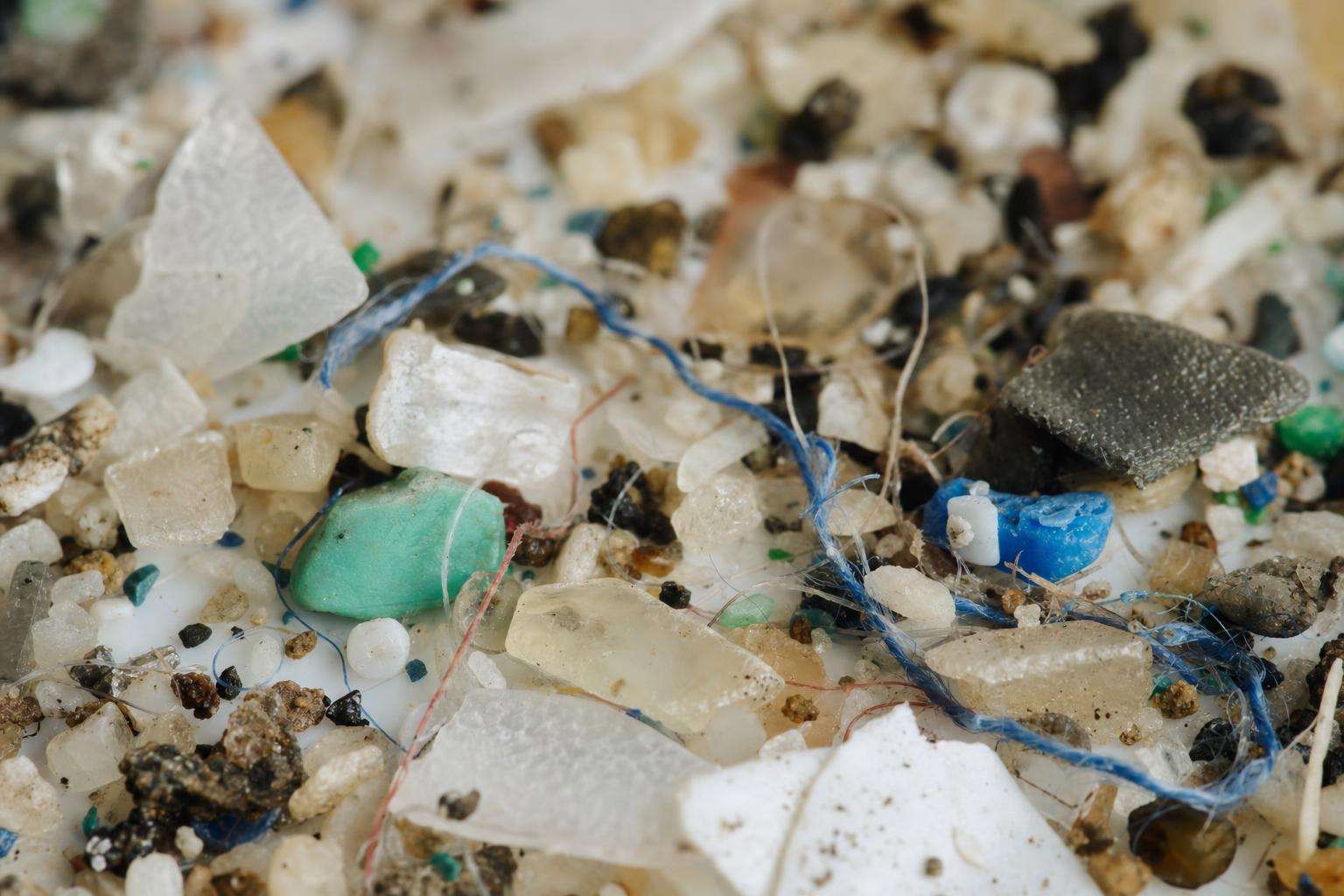
Treat microplastics as <5 mm and nanoplastics as <1 µm unless a paper uses the stricter 1–100 nm toxicology band. Every concentration claim needs a size band + method LOD. Primary intentional particles are not the same policy problem as secondary fragmentation from textiles, tires, and packaging.
This article is informational and editorial only. It is not medical advice, diagnosis, or a treatment plan. Numbers and literature ranges cited here are not personal prescriptions. Consult a qualified clinician before changing medications, supplements, diet, equipment, or management of a diagnosed condition. Seek urgent care for emergencies.
What size definitions do agencies actually use?
The US EPA microplastics research program describes microplastics as plastic particles smaller than five millimeters and nanoplastics as a subset smaller than one micrometer. That framing is usable for water, food, and indoor-air discussions so long as you never pretend every study used the same cutoffs.
The WHO 2019 drinking-water report and the later WHO 2022 dietary and inhalation assessment treat micro- and nanoplastics as multi-route environmental particles while stressing method limits. ISO and OECD harmonization work continues; until methods fully converge, quantitative human-health claims must open with definitions, not headlines.
Why does the lower size bound decide the story?
A zero without a limit of detection is not clean water. It is an instrument that stopped seeing. Optical FTIR and Raman workflows historically undercounted or ignored nanoplastics entirely. Mass methods such as pyrolysis-GC/MS can capture polymer mass from sub-micron material but lose particle counts and morphology. When readers compare two bottled-water papers, they are often comparing different parts of the size spectrum, not two equal measurements of the same hazard.
Qian et al. 2024 in PNAS illustrated the definition–method coupling starkly: nano-capable chemical imaging raised particle totals by orders of magnitude relative to many microplastic-only historical counts, with nanoplastics dominating the distribution. The scientific takeaway is not panic; it is that pre-nano methods cannot rule nanoplastics out.
How should primary, secondary, and morphology classes be used?
Primary particles were made small on purpose. Secondary particles are the debris of ordinary life: fleece washes, bottle abrasion, tire wear, film packaging. Cosmetic microbead bans target a primary intentional class. They do not shut down secondary fiber emissions that still dominate laundry effluent and indoor dust. Separating those categories keeps policy and household advice honest.
Morphology is the other missing axis. Fibers behave like airborne and laundry pollutants. Fragments and films track packaging and environmental abrasion. Spheres track intentional beads and some industrial pellets. Indoor air studies that report fibers should not be averaged with seafood fragment surveys as if the dose unit were interchangeable. Size, polymer, and shape are three independent coordinates of exposure.
What practical rules should readers apply when reading claims?
| Claim type | What to demand | Red flag |
|---|---|---|
| Particle count per liter | Size band, method, blanks, LOD | No method named |
| Polymer mass in tissue | Py-GC/MS markers, contamination controls | Mass converted to counts without assumptions |
| Policy ban impact | Intentional vs secondary scope | “Microplastics are banned” without product class |
| Health effect headline | Endpoint, species, dose, human relevance | Equating any detection with proven disease |
Codified editorial rules: always state size band and method; treat nanoplastics as under one micrometer unless a source uses the engineered-nanomaterial band; separate primary from secondary when discussing bans; classify morphology when discussing air versus diet; never equate pollution mass metrics with particle-count dose units. Those rules prevent the most common errors in wellness and newsroom coverage of microplastics.
Size definitions are not pedantry. They are the difference between a measurement, a model, and a meme. Until global methods fully harmonize, the most evidence-based sentence a reader can carry is simple: report the band, name the instrument, and refuse comparisons that hide the LOD.
Readers should treat this explainer as a map of mechanisms, measurements, and decision rules rather than a personal protocol. Local water quality, travel history, diet pattern, pregnancy status, and occupational exposures change priorities. When evidence grades are mixed, prefer certified products, clinician-directed testing, and agency primary sources over social media absolute claims. Revisit guidance as methods and regulations update, because microplastics analytics, parasite diagnostics, water standards, and nutrition meta-analyses continue to evolve. Practical exposure reduction and accurate terminology remain useful even when clinical dose-response curves are incomplete. Document your sources, test before you buy expensive gear, and keep food safety, infection control, and established medical care in the first tier of decisions.
Readers should treat this explainer as a map of mechanisms, measurements, and decision rules rather than a personal protocol. Local water quality, travel history, diet pattern, pregnancy status, occupational exposures, and baseline medical conditions change priorities week to week. When evidence grades are mixed, prefer certified products, clinician-directed testing, and primary agency sources over social media absolute claims. Revisit guidance as analytics, regulations, and clinical guidelines update, because measurement science and public-health standards continue to evolve.
Practical exposure reduction and accurate terminology remain useful even when clinical dose-response curves are incomplete. Document your sources, test before you buy expensive gear, and keep food safety, infection control, and established medical care in the first tier of decisions. Secondary wellness products that promise detox, parasite purge, or total plastic elimination without diagnostic confirmation deserve skepticism proportional to their marketing intensity.
Sources & citations
Frequently asked