Environmental Health
Laundry and Fabric-Care Fragrance: The Clothes You Live In
Detergent, scent beads, and dryer sheets turn fabric into an all-day delivery system for musks and VOCs.
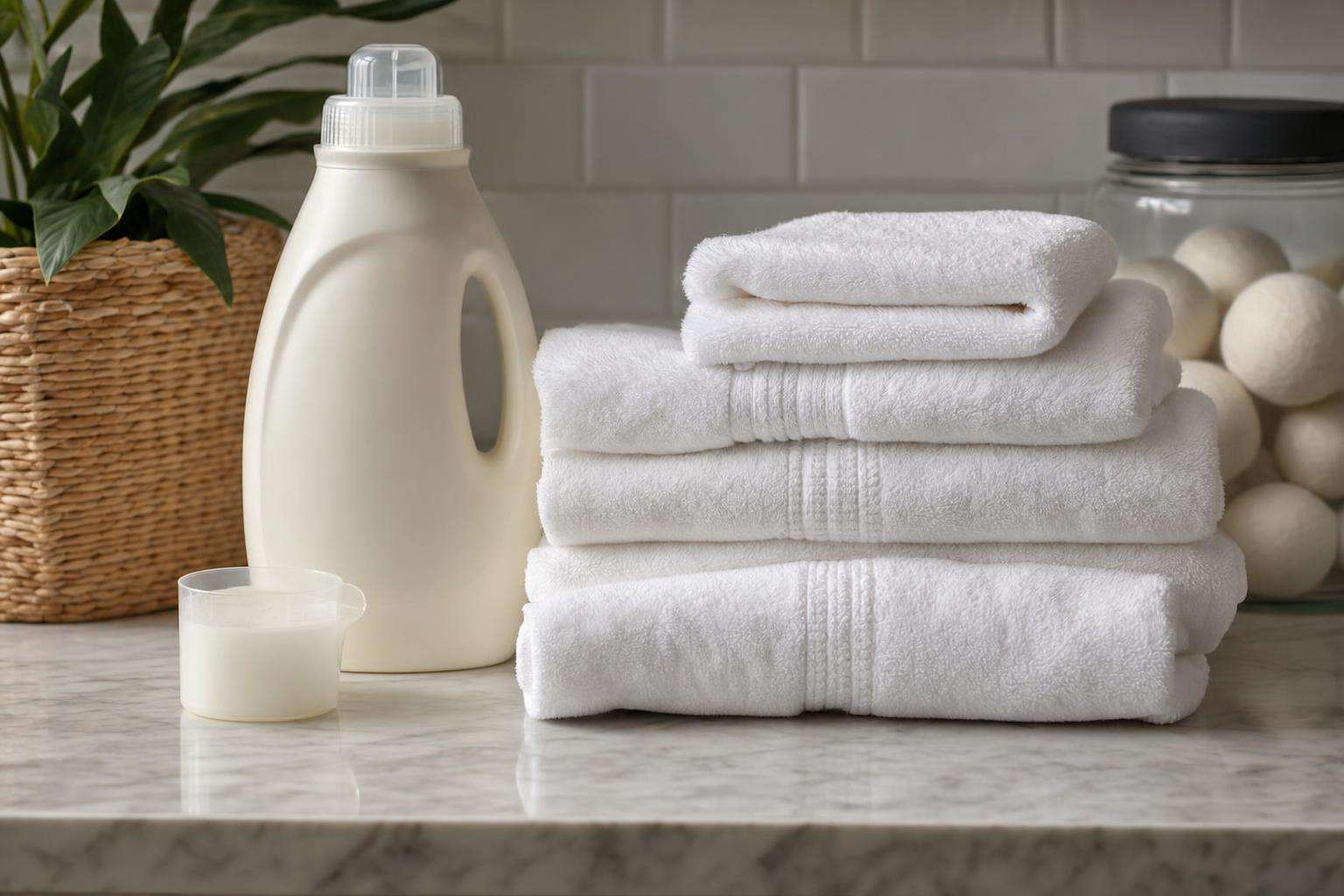
Laundry scent systems turn clothing into an all-day exposure surface for musks and VOCs. Drop scent beads/dryer sheets first; switch to verified fragrance-free detergent for high-leverage chronic dose reduction.
People debate perfume while wearing a cloud of detergent base notes. Fabric-care fragrance is quiet, continuous, and under-discussed relative to its contact time.
This article is informational and editorial only. It is not medical advice, diagnosis, or a treatment plan. Numbers and literature ranges cited here are not personal prescriptions. Consult a qualified clinician before changing medications, supplements, diet, equipment, or management of a diagnosed condition. Seek urgent care for emergencies.
How does fabric become a chemical reservoir?
Wash and dry cycles deposit hydrophobic fragrance ingredients onto fibers. Heat can drive off-gassing into indoor air during drying and wear.
Bedding multiplies overnight dermal and inhalation contact for children and adults.
Shared laundry rooms transfer scents across households in apartments.
Which products dominate the laundry fragrance stack?
Scented detergent is the base layer. Scent beads and dryer sheets are amplifiers. Fabric sprays add another pulse.
Steinemann-type analyses of fragranced consumer products apply to cleaning and laundry categories with poor full VOC disclosure.
Polycyclic musks historically common in fabric care are the same chemical family under rising EU reproductive-toxicity discussion for galaxolide.
| Product | Role | Swap priority |
|---|---|---|
| Scented detergent | Base fragrance load | High |
| Scent beads | Amplifier | Remove first |
| Dryer sheets | Amplifier + softener scent | Remove early |
| Fabric spray | Episodic spike | Stop if sensitive |
| Fragrance-free detergent | Clean without perfume | Target default |
What symptoms track laundry fragrance for some people?
Asthma and migraine triggers, contact dermatitis, and non-specific irritation are more immediately actionable than speculative long-term EDC risk.
Workplaces with strong uniform laundry scent can be occupational indoor-air issues.
Improvement after a two-week fragrance-free laundry trial is N-of-1 evidence worth keeping.
What is the practical swap order?
Stop scent boosters and dryer sheets. Switch detergent to fragrance-free. Wash bedding on the new system. Ventilate laundry areas.
Avoid replacing one synthetic cloud with heavy essential-oil alternatives if respiratory sensitivity is the problem.
Combine with leave-on personal-care cuts for full stack reduction.
Sources: Steinemann fragranced consumer products; Polycyclic musks designated chemicals brief; ANSES galaxolide proposal.
Readers should dual-source primary literature, translate slogans into exposure units and effect sizes, and rank interventions by expected value under uncertainty. Cheap reversible steps often outrank extreme protocols. Opportunity cost is real: hours spent on unvalidated tests are hours not spent on sleep, training, protein adequacy, and primary care. Sex, life stage, comorbidities, medications, and geography change interpretation. Prefer falsifiable claims with named endpoints over multi-disease cure lists. Update beliefs when stronger trials appear rather than freezing identity around a single paper or influencer narrative. Measured curiosity beats both panic and complacency. Further reading should prioritize primary sources and consensus documents over secondary social summaries. When evidence is mixed, state both the signal and the limits in the same paragraph. When evidence is strong, still avoid overclaiming universality across populations.
Context, dose, endpoint, and population must travel together; slogans that drop any of those four are not finished claims.
Context, dose, endpoint, and population must travel together; slogans that drop any of those four are not finished claims.
Context, dose, endpoint, and population must travel together; slogans that drop any of those four are not finished claims.
Context, dose, endpoint, and population must travel together; slogans that drop any of those four are not finished claims.
Context, dose, endpoint, and population must travel together; slogans that drop any of those four are not finished claims.
Context, dose, endpoint, and population must travel together; slogans that drop any of those four are not finished claims.
Context, dose, endpoint, and population must travel together; slogans that drop any of those four are not finished claims.
Context, dose, endpoint, and population must travel together; slogans that drop any of those four are not finished claims.
Context, dose, endpoint, and population must travel together; slogans that drop any of those four are not finished claims.
Context, dose, endpoint, and population must travel together; slogans that drop any of those four are not finished claims.
Context, dose, endpoint, and population must travel together; slogans that drop any of those four are not finished claims.
Context, dose, endpoint, and population must travel together; slogans that drop any of those four are not finished claims.
Context, dose, endpoint, and population must travel together; slogans that drop any of those four are not finished claims.
Context, dose, endpoint, and population must travel together; slogans that drop any of those four are not finished claims.
Context, dose, endpoint, and population must travel together; slogans that drop any of those four are not finished claims.
Context, dose, endpoint, and population must travel together; slogans that drop any of those four are not finished claims.
Context, dose, endpoint, and population must travel together; slogans that drop any of those four are not finished claims.
Context, dose, endpoint, and population must travel together; slogans that drop any of those four are not finished claims.
Context, dose, endpoint, and population must travel together; slogans that drop any of those four are not finished claims.
Context, dose, endpoint, and population must travel together; slogans that drop any of those four are not finished claims.
Sources & citations
Frequently asked