Environmental Health
Giardia and Cryptosporidium in Water: Chlorine, Outbreaks, and Home Defense
These protozoa are leading U.S. waterborne parasites. Crypto’s chlorine tolerance drives pool outbreaks; filters and UV matter when systems fail or wells are vulnerable.
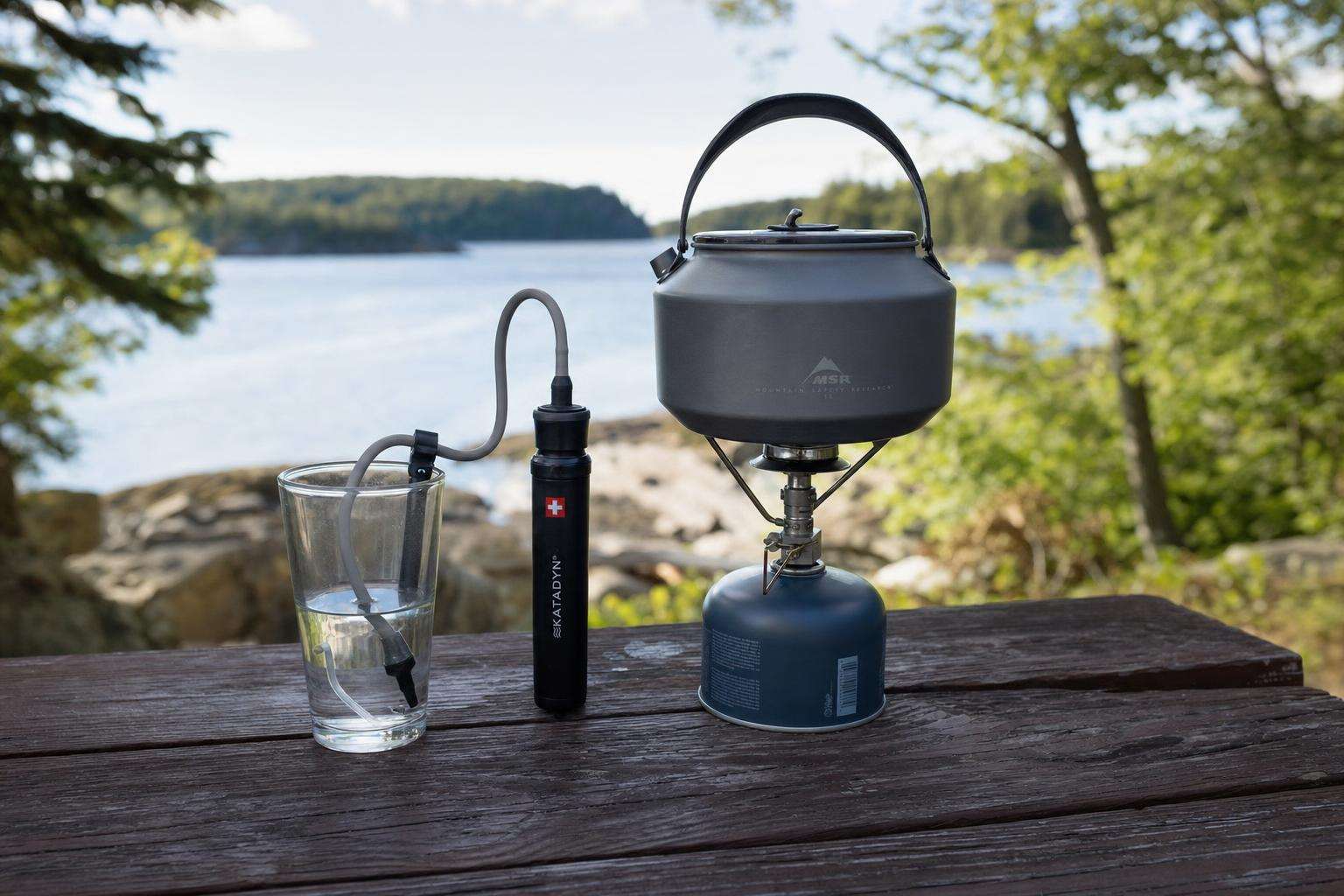
Giardia and Cryptosporidium are top U.S. waterborne protozoa. Crypto oocysts are chlorine-tolerant—pools and filtration matter. Boil-water advisories, cyst-rated filters, RO, and UV are real defenses; plain pitchers are not.
Parasite content online often jumps to tropical worms while ignoring the two protozoa that drive many U.S. water advisories and pool closures.
This article is informational and editorial only. It is not medical advice, diagnosis, or a treatment plan. Numbers and literature ranges cited here are not personal prescriptions. Consult a qualified clinician before changing medications, supplements, diet, equipment, or management of a diagnosed condition. Seek urgent care for emergencies.
Why do Giardia and Cryptosporidium dominate waterborne parasite risk?
CDC lists major foodborne and water-related protozoa including Cryptosporidium spp., Giardia intestinalis, Cyclospora, and Toxoplasma (CDC causes overview). Among drinking and recreational water pathogens, Giardia and Crypto are perennial leaders because hardy cysts/oocysts survive in the environment and spread via fecal contamination of source water, infrastructure failures, or swimming venues.
Cryptosporidium’s chlorine tolerance is the engineering headline. Pool outbreaks continue to occur when swimmers are infectious and filtration is overwhelmed, even if free chlorine is “in range” for bacteria. CDC’s crypto pages emphasize not swimming while ill and the limits of chlorine alone (CDC Cryptosporidium). Municipal drinking-water plants therefore rely on multi-barrier treatment rather than disinfectant residual as the sole protozoan control.
| Control | Giardia / Crypto role | Home note |
|---|---|---|
| Chlorine residual | Weak for crypto oocysts | Not a complete home barrier |
| Physical filtration | Core municipal barrier | Cyst-rated / RO / UF |
| UV disinfection | Inactivates if dosed on clear water | Well systems often add UV |
| Boiling | Reliable emergency kill step | Follow advisory minutes |
How should households respond to advisories and recreation risk?
During boil-water notices, boiling is the default microbial reset for drinking and food prep water. Bottled water from safe sources is an alternative when fuel or logistics fail. After flooding, assume well contamination until tested. At pools and water parks, keep kids with diarrhea out of the water; Crypto can survive standard chlorine levels long enough to infect others.
Travelers and backpackers should treat surface water with filters rated for cysts plus chemical or UV backup depending on conditions—cloudy water needs filtration before UV. Immunocompromised patients should discuss water risks with clinicians; bottled or specifically treated water may be advised during outbreaks.
What treatment stack belongs on a private well?
Start with sanitary construction and setbacks from septic systems. Test for coliforms regularly and after events. If surface influence is likely, consider continuous disinfection and UV, plus sediment prefiltration so UV can work. Cyst-reduction filters or RO at the kitchen provide an ingestion barrier. Maintain devices—a neglected filter is not a barrier.
Bottom line: Giardia and Cryptosporidium are the water-parasite pair U.S. households should actually plan for. Respect chlorine’s limits, keep physical barriers ready, and treat advisories as operational orders—not suggestions.
Across environmental-health topics, the same discipline applies: define the exposure pathway, quote primary numbers with units, separate hazard from individual risk, and choose mitigations that actually touch the dominant dose. Unregulated detox products, extreme avoidance theater, and unit-free headlines consistently underperform simple engineering and clinical basics. When agency pages update, prefer the live primary document over secondary summaries that freeze old advisories as if they were law.
If you are building a household plan, sequence matters. Confirm the hazard with appropriate testing or inspection, reduce the largest ongoing source, maintain any filter or remediation system on schedule, and use standard medical care for symptoms. That order is slower to go viral than a scare list—and far more likely to change body burden, indoor air, or water quality in the real world.
Across environmental-health topics, the same discipline applies: define the exposure pathway, quote primary numbers with units, separate hazard from individual risk, and choose mitigations that actually touch the dominant dose. Unregulated detox products, extreme avoidance theater, and unit-free headlines consistently underperform simple engineering and clinical basics. When agency pages update, prefer the live primary document over secondary summaries that freeze old advisories as if they were law.
If you are building a household plan, sequence matters. Confirm the hazard with appropriate testing or inspection, reduce the largest ongoing source, maintain any filter or remediation system on schedule, and use standard medical care for symptoms. That order is slower to go viral than a scare list—and far more likely to change body burden, indoor air, or water quality in the real world.
Across environmental-health topics, the same discipline applies: define the exposure pathway, quote primary numbers with units, separate hazard from individual risk, and choose mitigations that actually touch the dominant dose. Unregulated detox products, extreme avoidance theater, and unit-free headlines consistently underperform simple engineering and clinical basics. When agency pages update, prefer the live primary document over secondary summaries that freeze old advisories as if they were law.
If you are building a household plan, sequence matters. Confirm the hazard with appropriate testing or inspection, reduce the largest ongoing source, maintain any filter or remediation system on schedule, and use standard medical care for symptoms. That order is slower to go viral than a scare list—and far more likely to change body burden, indoor air, or water quality in the real world.
Sources & citations
Frequently asked