Environmental Health
Fragrance Avoidance Strategies That Actually Lower Dose
Rank by contact time: leave-ons, air care, laundry, then rinse-offs. Verify fragrance-free. Skip detox theater.
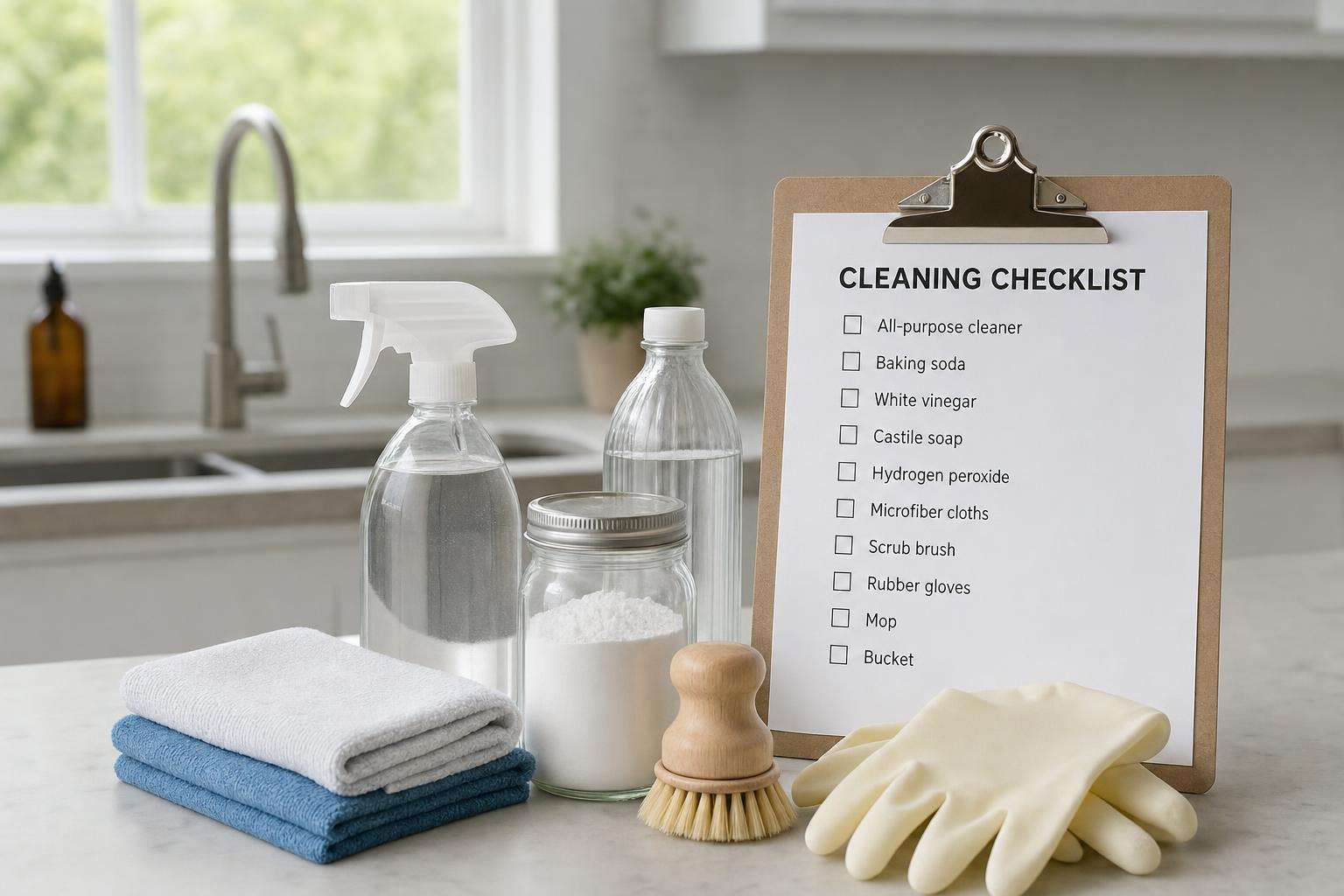
Avoidance works when ranked by contact time and intensity: leave-ons → air care → laundry → rinse-offs. Verify fragrance-free labels; HERMOSA shows biomarkers fall in days. Source control beats detox products.
Fragrance reduction fails when it becomes aesthetic minimalism cosplay. It succeeds when treated as exposure control with a short priority list.
This article is informational and editorial only. It is not medical advice, diagnosis, or a treatment plan. Numbers and literature ranges cited here are not personal prescriptions. Consult a qualified clinician before changing medications, supplements, diet, equipment, or management of a diagnosed condition. Seek urgent care for emergencies.
What does a one-week reset look like?
Day 1–2: remove air fresheners, candles used for scent, and perfume from daily rotation.
Day 3–4: switch laundry detergent; wash bedding. Day 5–7: replace leave-on lotions/deodorants with fragrance-free versions.
Note asthma, headache, and skin changes in a simple diary.
How should labels and claims be read?
Fragrance/parfum = black box risk under U.S. norms. Unscented ≠ fragrance-free.
“Phthalate-free” is helpful but incomplete. “Natural fragrance” can still trigger airways.
When brands publish full IFRA allergen lists, prefer them.
| Priority | Action | Why |
|---|---|---|
| 1 | Stop perfume/air care | High intensity dose |
| 2 | Fragrance-free laundry | All-day fabric load |
| 3 | Swap leave-on PCPs | Daily dermal film |
| 4 | Verify labels | Avoid masking scent |
| 5 | Ventilate | Lower indoor VOCs |
What about workplaces and schools?
Advocate fragrance-free policies in clinics and shared offices. Use portable boundaries when policy lags (distance, outdoor breaks, manager notes for medical needs).
Cleaning contractors often control air-care choices—ask facilities teams.
Document triggers if requesting ADA-style accommodations for severe asthma.
What should you not waste money on?
Multi-herb “estrogen detox” kits, unvalidated blood toxin panels as first line, and fear-based whole-house chemical peels.
Invest instead in fragrance-free staples and ventilation.
Keep medical care for reproductive or respiratory disease on evidence-based tracks.
Sources: HERMOSA intervention; FDA fragrances page; Steinemann fragranced products.
Readers should dual-source primary literature, translate slogans into exposure units and effect sizes, and rank interventions by expected value under uncertainty. Cheap reversible steps often outrank extreme protocols. Opportunity cost is real: hours spent on unvalidated tests are hours not spent on sleep, training, protein adequacy, and primary care. Sex, life stage, comorbidities, medications, and geography change interpretation. Prefer falsifiable claims with named endpoints over multi-disease cure lists. Update beliefs when stronger trials appear rather than freezing identity around a single paper or influencer narrative. Measured curiosity beats both panic and complacency. Further reading should prioritize primary sources and consensus documents over secondary social summaries. When evidence is mixed, state both the signal and the limits in the same paragraph. When evidence is strong, still avoid overclaiming universality across populations.
Context, dose, endpoint, and population must travel together; slogans that drop any of those four are not finished claims.
Context, dose, endpoint, and population must travel together; slogans that drop any of those four are not finished claims.
Context, dose, endpoint, and population must travel together; slogans that drop any of those four are not finished claims.
Context, dose, endpoint, and population must travel together; slogans that drop any of those four are not finished claims.
Context, dose, endpoint, and population must travel together; slogans that drop any of those four are not finished claims.
Context, dose, endpoint, and population must travel together; slogans that drop any of those four are not finished claims.
Context, dose, endpoint, and population must travel together; slogans that drop any of those four are not finished claims.
Context, dose, endpoint, and population must travel together; slogans that drop any of those four are not finished claims.
Context, dose, endpoint, and population must travel together; slogans that drop any of those four are not finished claims.
Context, dose, endpoint, and population must travel together; slogans that drop any of those four are not finished claims.
Context, dose, endpoint, and population must travel together; slogans that drop any of those four are not finished claims.
Context, dose, endpoint, and population must travel together; slogans that drop any of those four are not finished claims.
Context, dose, endpoint, and population must travel together; slogans that drop any of those four are not finished claims.
Context, dose, endpoint, and population must travel together; slogans that drop any of those four are not finished claims.
Context, dose, endpoint, and population must travel together; slogans that drop any of those four are not finished claims.
Context, dose, endpoint, and population must travel together; slogans that drop any of those four are not finished claims.
Context, dose, endpoint, and population must travel together; slogans that drop any of those four are not finished claims.
Context, dose, endpoint, and population must travel together; slogans that drop any of those four are not finished claims.
Context, dose, endpoint, and population must travel together; slogans that drop any of those four are not finished claims.
Context, dose, endpoint, and population must travel together; slogans that drop any of those four are not finished claims.
Context, dose, endpoint, and population must travel together; slogans that drop any of those four are not finished claims.
Context, dose, endpoint, and population must travel together; slogans that drop any of those four are not finished claims.
Sources & citations
Frequently asked