Environmental Health
Air Fresheners and Indoor Air: VOCs, Secondary Chemistry, and Health Reports
Air fresheners are major indoor VOC sources. Terpenes plus ozone make formaldehyde and particles. Population surveys show widespread reported symptoms—and secondhand scent conflict.
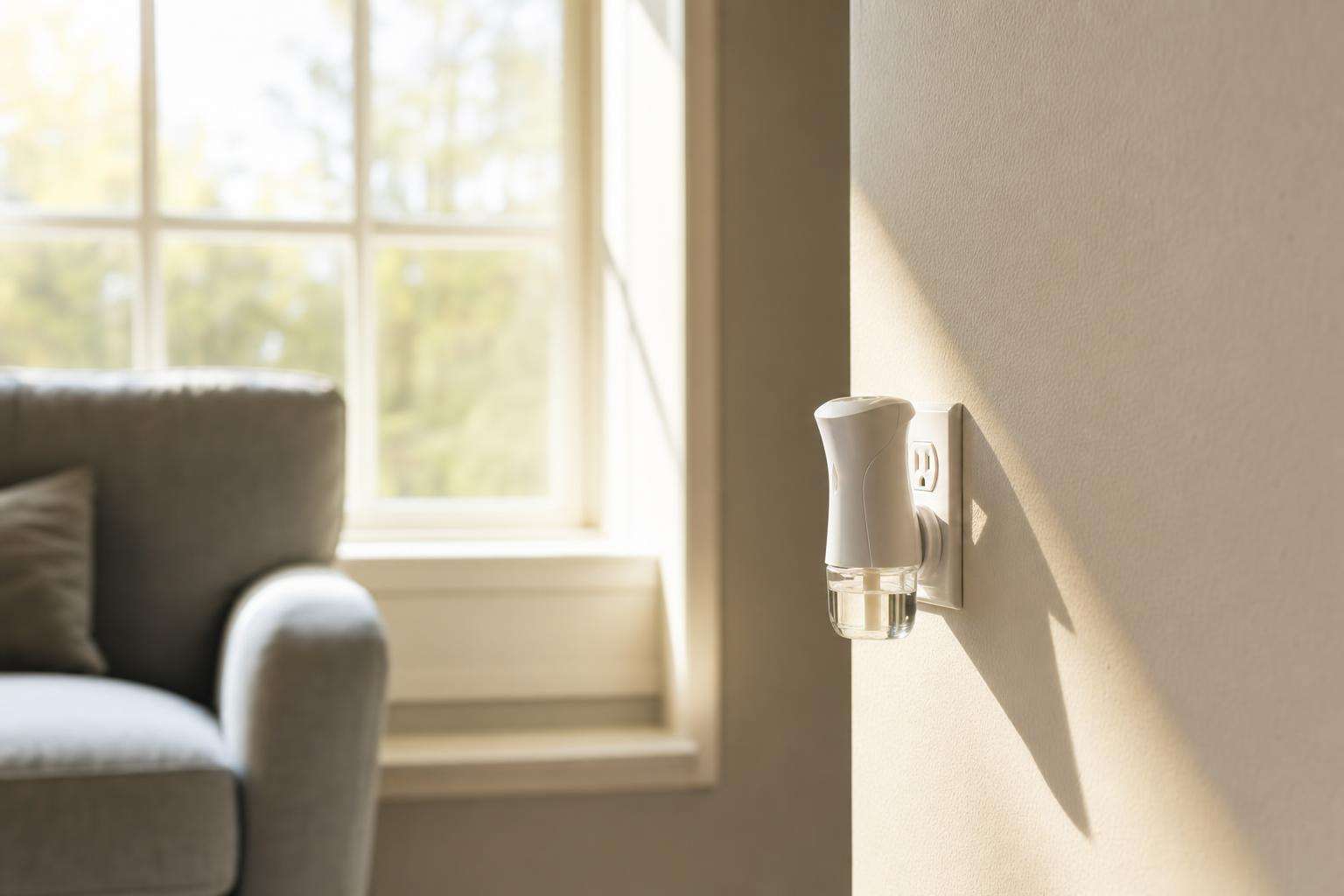
~20% of U.S. adults report health problems from air fresheners (Steinemann 2016); weekly fragranced exposure is near-universal. Terpenes + ozone → formaldehyde and secondary aerosols. Fresheners mask—they do not clean air.
Indoor air quality advice often jumps to expensive monitors while a plug-in continuously doses the room. Air fresheners are intentionally evaporative chemical emitters regulated more like consumer products than like industrial air pollutants.
This article is informational and editorial only. It is not medical advice, diagnosis, or a treatment plan. Numbers and literature ranges cited here are not personal prescriptions. Consult a qualified clinician before changing medications, supplements, diet, equipment, or management of a diagnosed condition. Seek urgent care for emergencies.
What does population research say about symptoms?
Steinemann’s nationally oriented surveys find substantial fractions of adults attributing health problems to air fresheners and other fragranced products, with near-universal weekly exposure. Specific 2016 figures include 20.4% reporting problems from air fresheners/deodorizers and 34.7% from any fragranced product, with 99.1% weekly exposure (PMC5093181). Secondhand scent conflicts—avoiding restrooms or leaving stores—appear at similar double-digit rates.
Clinical summaries from academic medical centers note respiratory concerns with long-term air-freshener use and possible extra burden for people with lung disease. Self-report studies cannot assign every headache to a single terpene, but dismissing the entire signal as psychosomatic ignores both chemistry and asthma trigger science.
| Issue | Mechanism / metric | Better alternative |
|---|---|---|
| Odor masking | Adds VOCs | Remove source; ventilate |
| Terpene + ozone | Formaldehyde, SOA | Reduce both reactants |
| Asthma triggers | Irritant emissions | Fragrance-free policies |
| Label opacity | “Fragrance” umbrella | Fragrance-free full lists |
How does indoor chemistry amplify air-freshener emissions?
Scented products release primary VOCs. Indoor ozone—from outdoor air or certain devices—reacts with terpenes to form secondary pollutants including formaldehyde and ultrafine secondary organic aerosols. Nazaroff and Weschler’s indoor chemistry work established cleaning products and air fresheners as major indoor pollutant sources. That pathway means “natural citrus oil” is not automatically benign when aerosolized into an ozone-containing room.
Semi-volatile fragrance ingredients and musks also partition to dust, creating longer reservoirs than a spray burst. Dust becomes a children’s exposure medium via hand-to-mouth behavior, linking air-care choices to the same indoor reservoir discussed in phthalate biomonitoring literature.
What practical steps improve indoor air without scent theater?
Eliminate continuous plug-ins and bathroom automatic sprays. Control moisture and trash odors at the source. Use exhaust fans. Prefer fragrance-free detergents. If particles matter, use HEPA filtration sized to the room—not oil diffusers marketed as purifiers. Workplaces and schools should treat fragrance-free policies as accessibility measures for asthma, not merely preference.
Regulation lags chemistry: many air-care products need not list full fragrance components. Until disclosure improves, exposure reduction is behavioral and procurement-based. Columbia and other clinical explainers provide accessible overviews for patients asking whether fresheners can affect health (ColumbiaDoctors summary).
Bottom line: air fresheners are indoor chemical emitters with measurable secondary chemistry and large self-reported symptom prevalence. Clean air comes from source control and ventilation—not from a stronger vanilla cartridge.
Across environmental-health topics, the same discipline applies: define the exposure pathway, quote primary numbers with units, separate hazard from individual risk, and choose mitigations that actually touch the dominant dose. Unregulated detox products, extreme avoidance theater, and unit-free headlines consistently underperform simple engineering and clinical basics. When agency pages update, prefer the live primary document over secondary summaries that freeze old advisories as if they were law.
If you are building a household plan, sequence matters. Confirm the hazard with appropriate testing or inspection, reduce the largest ongoing source, maintain any filter or remediation system on schedule, and use standard medical care for symptoms. That order is slower to go viral than a scare list—and far more likely to change body burden, indoor air, or water quality in the real world.
Across environmental-health topics, the same discipline applies: define the exposure pathway, quote primary numbers with units, separate hazard from individual risk, and choose mitigations that actually touch the dominant dose. Unregulated detox products, extreme avoidance theater, and unit-free headlines consistently underperform simple engineering and clinical basics. When agency pages update, prefer the live primary document over secondary summaries that freeze old advisories as if they were law.
If you are building a household plan, sequence matters. Confirm the hazard with appropriate testing or inspection, reduce the largest ongoing source, maintain any filter or remediation system on schedule, and use standard medical care for symptoms. That order is slower to go viral than a scare list—and far more likely to change body burden, indoor air, or water quality in the real world.
Across environmental-health topics, the same discipline applies: define the exposure pathway, quote primary numbers with units, separate hazard from individual risk, and choose mitigations that actually touch the dominant dose. Unregulated detox products, extreme avoidance theater, and unit-free headlines consistently underperform simple engineering and clinical basics. When agency pages update, prefer the live primary document over secondary summaries that freeze old advisories as if they were law.
If you are building a household plan, sequence matters. Confirm the hazard with appropriate testing or inspection, reduce the largest ongoing source, maintain any filter or remediation system on schedule, and use standard medical care for symptoms. That order is slower to go viral than a scare list—and far more likely to change body burden, indoor air, or water quality in the real world.
Sources & citations
Frequently asked