Environmental Health
U.S. Fluoride Policy Levels: 0.7, 1.5, 2.0, and 4.0 mg/L Explained
PHS optimal 0.7 mg/L fluoridation, WHO 1.5, EPA SMCL 2.0, and MCL 4.0 are different numbers for different jobs—confusing them is the main debate error.
Lock the fluoride dose ladder: PHS 0.7 mg/L CWF target · WHO 1.5 · EPA SMCL 2.0 · EPA MCL 4.0. Do not use skeletal-fluorosis ceilings to argue about dental-optimum water.
Fluoride arguments fail most often at arithmetic. Four numbers dominate U.S. policy language, and they answer different questions about intentional addition, international guidelines, cosmetic fluorosis, and high-dose skeletal risk.
This article is informational and editorial only. It is not medical advice, diagnosis, or a treatment plan. Numbers and literature ranges cited here are not personal prescriptions. Consult a qualified clinician before changing medications, supplements, diet, equipment, or management of a diagnosed condition. Seek urgent care for emergencies.
What is the U.S. 0.7 mg/L public-health target?
US PHS 2015 set a single optimum of about 0.7 mg/L for systems that fluoridate, after multi-source intake review including toothpaste.
CDC operational pages translate that into community water fluoridation practice and coverage statistics.
Milligrams per liter equals parts per million for dilute aqueous fluoride—use either unit, but stay consistent.
How do EPA and WHO numbers differ from 0.7?
EPA MCL/MCLG 4.0 mg/L is an enforceable primary standard tied historically to severe skeletal fluorosis risk at high chronic doses.
EPA SMCL 2.0 mg/L is secondary, non-enforceable, focused more on dental fluorosis aesthetics.
WHO’s 1.5 mg/L guideline is the common international anchor for natural fluoride regions and appears in neurodevelopment dose discussions.
| Number | Whose rule | Job |
|---|---|---|
| 0.7 mg/L | US PHS / CDC CWF | Optimal intentional fluoridation |
| 1.5 mg/L | WHO guideline | Global DW guidance; natural F hotspots |
| 2.0 mg/L | EPA SMCL | Secondary; fluorosis aesthetics |
| 4.0 mg/L | EPA MCL | Enforceable primary ceiling |
Why does the NTP IQ literature need the same ladder?
NTP’s moderate-confidence conclusion emphasizes higher fluoride exposures—often framed around water above roughly 1.5 mg/L—associating with lower child IQ in some data.
That band is not identical to intentional U.S. CWF at 0.7 mg/L, though total intake (tea, toothpaste swallow, pregnancy biomarkers) still matters.
Honest risk communication reports water concentration or urinary fluoride used in each study—not “fluoride yes/no.”
How should households use lab results?
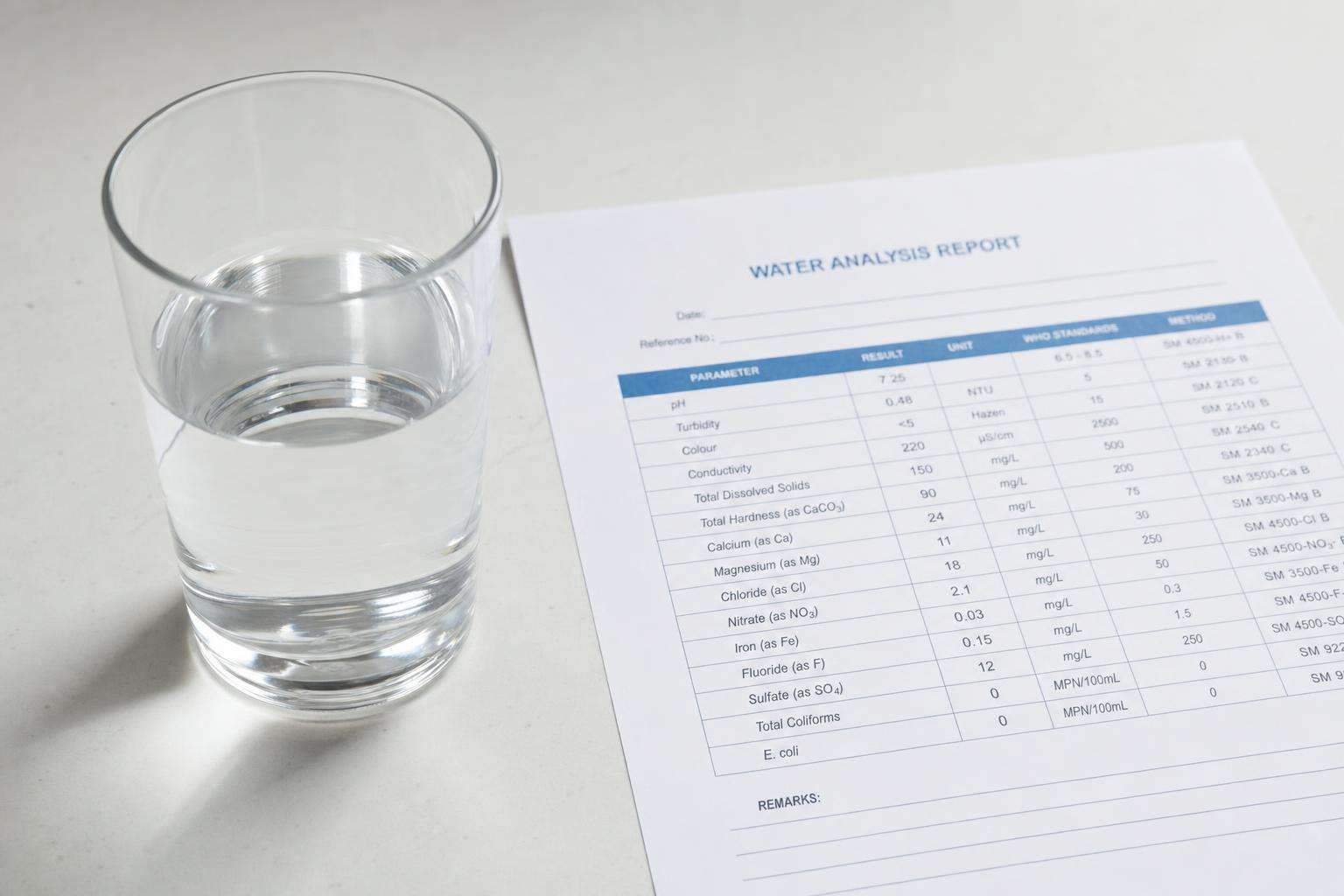
Place private-well or bottled-water results on 0.7 / 1.5 / 2.0 / 4.0 before choosing RO or alumina.
Infant formula mixing decisions use pediatric guidance when caregivers intentionally lower fluoride.
Culture-war binaries that ignore dose are not evidence-based household policy.
Sources: CDC CWF recommendations; US PHS 2015 optimal fluoridation; EPA secondary standards.
Readers should dual-source primary literature, translate slogans into exposure units and effect sizes, and rank interventions by expected value under uncertainty. Cheap reversible steps often outrank extreme protocols. Opportunity cost is real: hours spent on unvalidated tests are hours not spent on sleep, training, protein adequacy, and primary care. Sex, life stage, comorbidities, medications, and geography change interpretation. Prefer falsifiable claims with named endpoints over multi-disease cure lists. Update beliefs when stronger trials appear rather than freezing identity around a single paper or influencer narrative. Measured curiosity beats both panic and complacency. Further reading should prioritize primary sources and consensus documents over secondary social summaries. When evidence is mixed, state both the signal and the limits in the same paragraph. When evidence is strong, still avoid overclaiming universality across populations. Pattern quality, dose, and adherence dominate most household decisions more than brand seals.
Context, dose, endpoint, and population must travel together; slogans that drop any of those four are not finished claims. Household decisions should favor reversible experiments with measurable outcomes over identity diets or unvalidated testing cascades. When numbers conflict across agencies, report both the public-health target and the regulatory ceiling, then place personal labs on that ladder explicitly.
Context, dose, endpoint, and population must travel together; slogans that drop any of those four are not finished claims. Household decisions should favor reversible experiments with measurable outcomes over identity diets or unvalidated testing cascades. When numbers conflict across agencies, report both the public-health target and the regulatory ceiling, then place personal labs on that ladder explicitly.
Context, dose, endpoint, and population must travel together; slogans that drop any of those four are not finished claims. Household decisions should favor reversible experiments with measurable outcomes over identity diets or unvalidated testing cascades. When numbers conflict across agencies, report both the public-health target and the regulatory ceiling, then place personal labs on that ladder explicitly.
Context, dose, endpoint, and population must travel together; slogans that drop any of those four are not finished claims. Household decisions should favor reversible experiments with measurable outcomes over identity diets or unvalidated testing cascades. When numbers conflict across agencies, report both the public-health target and the regulatory ceiling, then place personal labs on that ladder explicitly.
Context, dose, endpoint, and population must travel together; slogans that drop any of those four are not finished claims. Household decisions should favor reversible experiments with measurable outcomes over identity diets or unvalidated testing cascades. When numbers conflict across agencies, report both the public-health target and the regulatory ceiling, then place personal labs on that ladder explicitly.
Context, dose, endpoint, and population must travel together; slogans that drop any of those four are not finished claims. Household decisions should favor reversible experiments with measurable outcomes over identity diets or unvalidated testing cascades. When numbers conflict across agencies, report both the public-health target and the regulatory ceiling, then place personal labs on that ladder explicitly.
Sources & citations
Frequently asked