Environmental Health
Global Fluoride Hotspots: Where Natural Water Exceeds Policy Targets
Rift Valley, parts of India, China, and Mexico face geologic fluoride far above 0.7 mg/L. Defluoridation—not culture-war CWF—is the intervention.
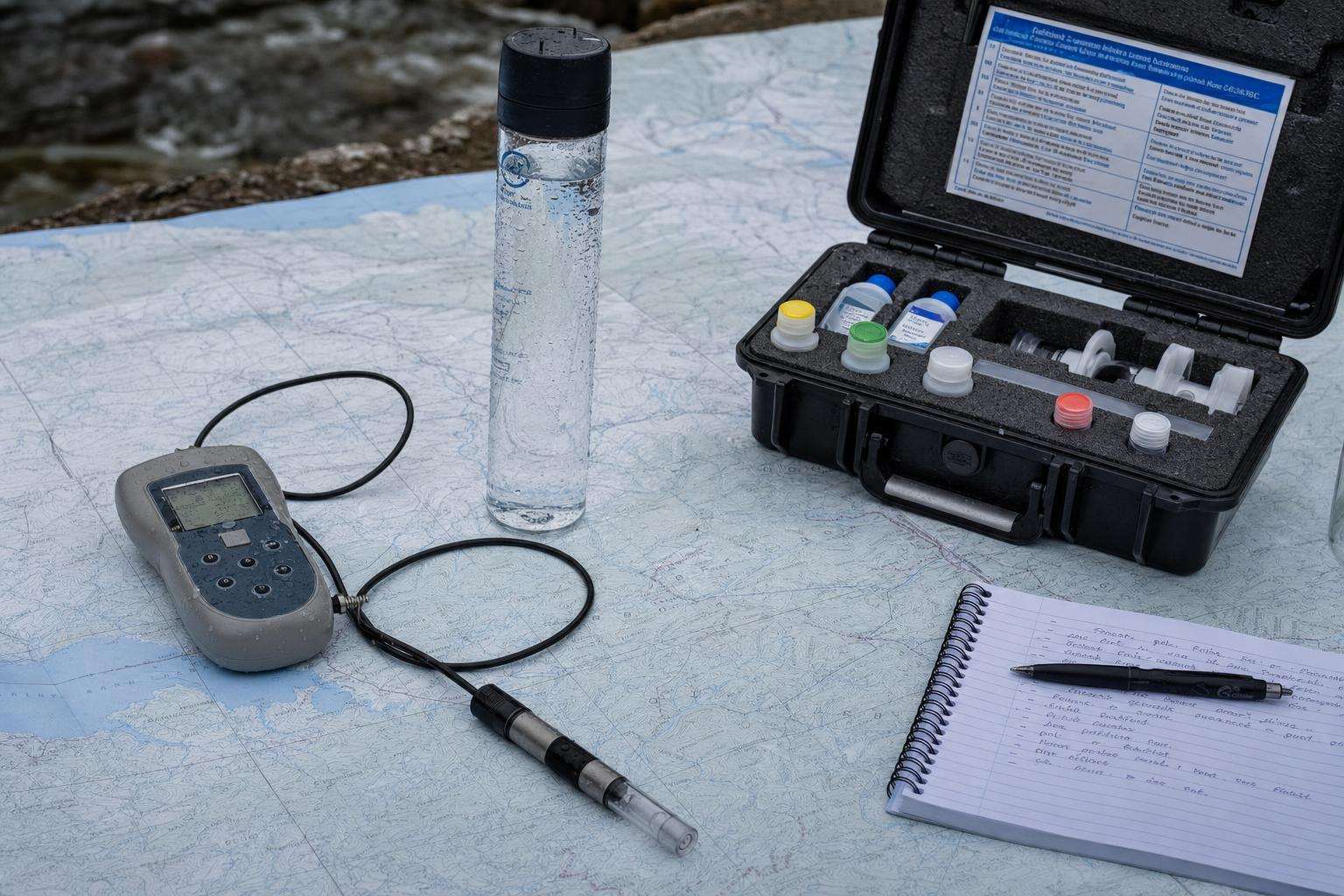
Global geologic fluoride hotspots drive real dental and skeletal fluorosis. Interventions are testing and defluoridation. Do not confuse these waters with U.S. 0.7 mg/L CWF politics.
There is a planet of fluoride problems that have nothing to do with suburban utility debates. Geology wrote them; engineering and WASH programs solve them.
This article is informational and editorial only. It is not medical advice, diagnosis, or a treatment plan. Numbers and literature ranges cited here are not personal prescriptions. Consult a qualified clinician before changing medications, supplements, diet, equipment, or management of a diagnosed condition. Seek urgent care for emergencies.
Why geology and climate create hotspots
Fluoride-bearing minerals dissolve into aquifers; alkaline conditions can elevate F.
Hot climates raise liters drunk per day, multiplying intake at any mg/L.
Shallow vs deep wells can differ—local hydrogeology rules.
How disease burden presents at scale
Visible dental fluorosis in children; adult skeletal disease in long-residence high-intake groups.
Occupational and coal-burning fluoride exposures add non-water pathways in some Chinese historical contexts.
Surveillance programs track water F and clinical fluorosis grades.
| Setting | Problem class | Response class |
|---|---|---|
| U.S. CWF cities | ~0.7 mg/L policy | Caries vs mild fluorosis debate |
| High natural aquifers | Often multi-mg/L | Defluoridate / alternate source |
| Hot arid climates | High L/day intake | Dose multiplies |
| Industrial fluoride | Occupational/air | Exposure control |
| Travelers | Unknown wells | Ask + treat/bottle |
What technical responses exist
Activated alumina, bone char, Nalgonda-type precipitation, and RO each have cost, waste, and maintenance profiles.
Community plants need operators; household units need replacement schedules.
Rainwater harvesting helps only with safe storage and backup plans.
How global context should discipline U.S. rhetoric
Cite endemic data when discussing high-dose skeletal disease—not as proof against 0.7 mg/L CWF.
Support WASH and defluoridation NGOs if global health is the concern.
Measure your own well before borrowing another continent’s crisis narrative.
Sources: WHO drinking-water fact sheet; EPA secondary standards context; CDC CWF recommendations.
Readers should dual-source primary literature, translate slogans into exposure units and effect sizes, and rank interventions by expected value under uncertainty. Cheap reversible steps often outrank extreme protocols. Opportunity cost is real: hours spent on unvalidated tests are hours not spent on sleep, training, protein adequacy, and primary care. Sex, life stage, comorbidities, medications, and geography change interpretation. Prefer falsifiable claims with named endpoints over multi-disease cure lists. Update beliefs when stronger trials appear rather than freezing identity around a single paper or influencer narrative. Measured curiosity beats both panic and complacency. Further reading should prioritize primary sources and consensus documents over secondary social summaries. When evidence is mixed, state both the signal and the limits in the same paragraph. When evidence is strong, still avoid overclaiming universality across populations.
Context, dose, endpoint, and population must travel together; slogans that drop any of those four are not finished claims.
Context, dose, endpoint, and population must travel together; slogans that drop any of those four are not finished claims.
Context, dose, endpoint, and population must travel together; slogans that drop any of those four are not finished claims.
Context, dose, endpoint, and population must travel together; slogans that drop any of those four are not finished claims.
Context, dose, endpoint, and population must travel together; slogans that drop any of those four are not finished claims.
Context, dose, endpoint, and population must travel together; slogans that drop any of those four are not finished claims.
Context, dose, endpoint, and population must travel together; slogans that drop any of those four are not finished claims.
Context, dose, endpoint, and population must travel together; slogans that drop any of those four are not finished claims.
Context, dose, endpoint, and population must travel together; slogans that drop any of those four are not finished claims.
Context, dose, endpoint, and population must travel together; slogans that drop any of those four are not finished claims.
Context, dose, endpoint, and population must travel together; slogans that drop any of those four are not finished claims.
Context, dose, endpoint, and population must travel together; slogans that drop any of those four are not finished claims.
Context, dose, endpoint, and population must travel together; slogans that drop any of those four are not finished claims.
Context, dose, endpoint, and population must travel together; slogans that drop any of those four are not finished claims.
Context, dose, endpoint, and population must travel together; slogans that drop any of those four are not finished claims.
Context, dose, endpoint, and population must travel together; slogans that drop any of those four are not finished claims.
Context, dose, endpoint, and population must travel together; slogans that drop any of those four are not finished claims.
Context, dose, endpoint, and population must travel together; slogans that drop any of those four are not finished claims.
Context, dose, endpoint, and population must travel together; slogans that drop any of those four are not finished claims.
Context, dose, endpoint, and population must travel together; slogans that drop any of those four are not finished claims.
Context, dose, endpoint, and population must travel together; slogans that drop any of those four are not finished claims.
Context, dose, endpoint, and population must travel together; slogans that drop any of those four are not finished claims.
Sources & citations
Frequently asked