Environmental Health
EU and ECHA Fragrance Rules: Allergens, REACH, and CLP Pressure
Europe leads on allergen labeling, CMR bans, and emerging musk/phthalate restrictions. The U.S. still trails on disclosure.
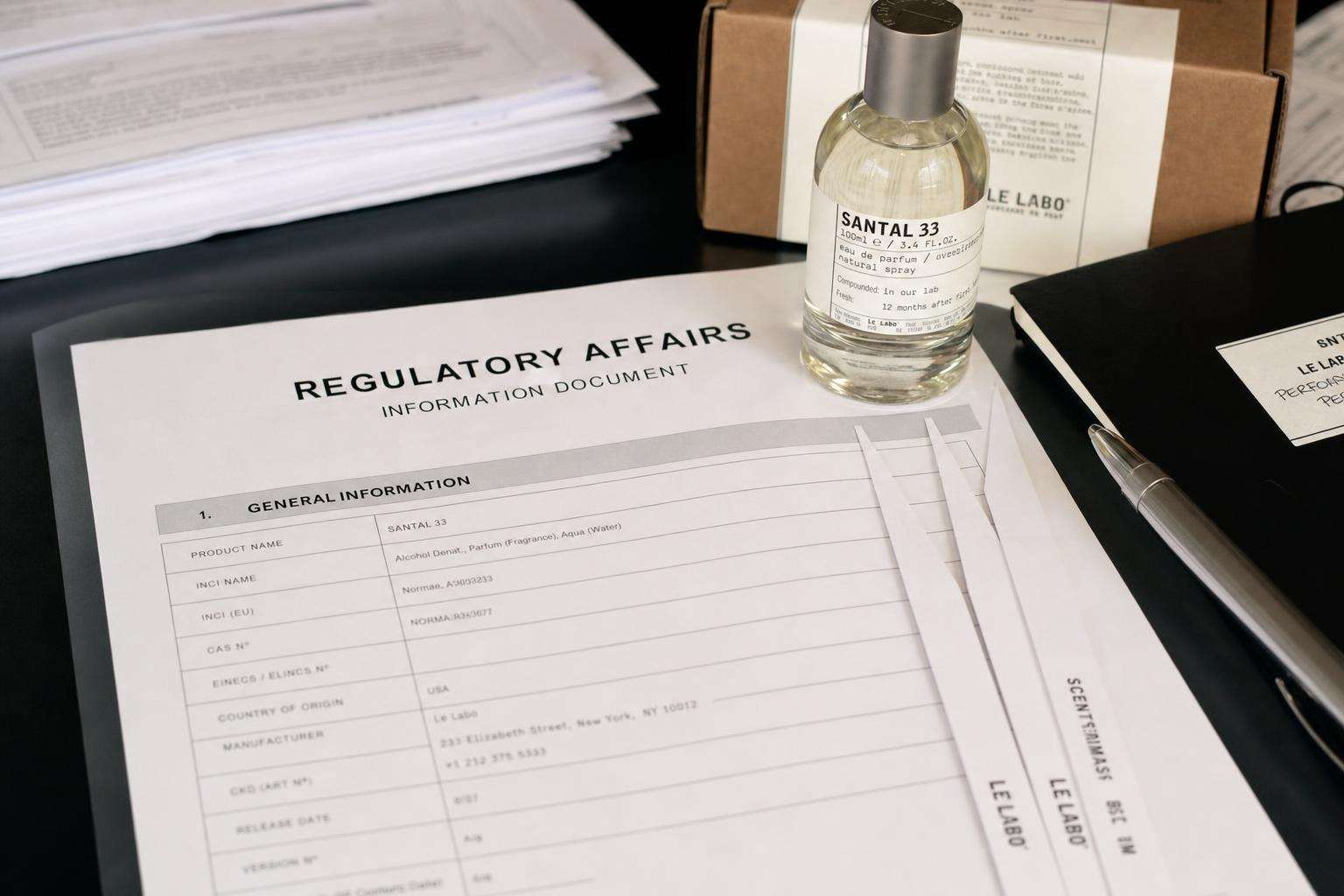
The EU stack—allergen labeling + REACH/CMR limits + CLP proposals—is the strictest major-market pressure on fragrance chemistry. U.S. trade-secret fragrance labeling remains weaker despite MoCRA allergen rulemaking.
If you want to know where fragrance chemical policy is going, watch Europe’s allergen annexes and ECHA classification files—not only U.S. headline bills.
This article is informational and editorial only. It is not medical advice, diagnosis, or a treatment plan. Numbers and literature ranges cited here are not personal prescriptions. Consult a qualified clinician before changing medications, supplements, diet, equipment, or management of a diagnosed condition. Seek urgent care for emergencies.
What are the three EU pressure systems?
Cosmetics Regulation allergen disclosure and substance bans/restrictions.
REACH restrictions and authorization for industrial and consumer articles.
CLP harmonised classification proposals that re-label hazard identity (e.g., reproductive toxicity).
How do timelines and thresholds work?
Allergen expansion under 2023/1545 phases in over years—labels will lag scientific lists.
Concentration thresholds historically differ for leave-on versus rinse-off products.
Article restrictions (phthalates in plastics) are not identical to cosmetic bans—read the instrument.
| Instrument | What it does | Fragrance relevance |
|---|---|---|
| Cosmetics allergen rules | Name allergens above thresholds | Label transparency |
| REACH Annex XVII | Restrict substances in articles | Phthalates |
| Cosmetics CMR bans | Remove many repro toxics | Some phthalates |
| CLP proposals | Harmonise hazard class | e.g., galaxolide |
| U.S. contrast | Trade-secret fragrance + MoCRA | Weaker disclosure now |
What signals are new for musks?
ANSES’s galaxolide reproductive toxicity proposal is a leading indicator for polycyclic musk risk management.
Even before final EU-wide outcomes, brand risk teams begin reformulation.
Environmental monitoring of HHCB/AHTN supports persistence narratives behind policy.
How should readers use EU rules practically?
Prefer products that list allergens and avoid banned CMR phthalates explicitly.
Do not equate CE-mark mythology with personal-care safety; learn the actual annex logic.
Compare U.S. MoCRA allergen rulemaking progress as a partial catch-up, not parity.
Sources: ANSES galaxolide CLP proposal; FDA fragrances (U.S. contrast); Endocrine Society EDC framing.
Readers should dual-source primary literature, translate slogans into exposure units and effect sizes, and rank interventions by expected value under uncertainty. Cheap reversible steps often outrank extreme protocols. Opportunity cost is real: hours spent on unvalidated tests are hours not spent on sleep, training, protein adequacy, and primary care. Sex, life stage, comorbidities, medications, and geography change interpretation. Prefer falsifiable claims with named endpoints over multi-disease cure lists. Update beliefs when stronger trials appear rather than freezing identity around a single paper or influencer narrative. Measured curiosity beats both panic and complacency. Further reading should prioritize primary sources and consensus documents over secondary social summaries. When evidence is mixed, state both the signal and the limits in the same paragraph. When evidence is strong, still avoid overclaiming universality across populations.
Context, dose, endpoint, and population must travel together; slogans that drop any of those four are not finished claims.
Context, dose, endpoint, and population must travel together; slogans that drop any of those four are not finished claims.
Context, dose, endpoint, and population must travel together; slogans that drop any of those four are not finished claims.
Context, dose, endpoint, and population must travel together; slogans that drop any of those four are not finished claims.
Context, dose, endpoint, and population must travel together; slogans that drop any of those four are not finished claims.
Context, dose, endpoint, and population must travel together; slogans that drop any of those four are not finished claims.
Context, dose, endpoint, and population must travel together; slogans that drop any of those four are not finished claims.
Context, dose, endpoint, and population must travel together; slogans that drop any of those four are not finished claims.
Context, dose, endpoint, and population must travel together; slogans that drop any of those four are not finished claims.
Context, dose, endpoint, and population must travel together; slogans that drop any of those four are not finished claims.
Context, dose, endpoint, and population must travel together; slogans that drop any of those four are not finished claims.
Context, dose, endpoint, and population must travel together; slogans that drop any of those four are not finished claims.
Context, dose, endpoint, and population must travel together; slogans that drop any of those four are not finished claims.
Context, dose, endpoint, and population must travel together; slogans that drop any of those four are not finished claims.
Context, dose, endpoint, and population must travel together; slogans that drop any of those four are not finished claims.
Context, dose, endpoint, and population must travel together; slogans that drop any of those four are not finished claims.
Context, dose, endpoint, and population must travel together; slogans that drop any of those four are not finished claims.
Context, dose, endpoint, and population must travel together; slogans that drop any of those four are not finished claims.
Context, dose, endpoint, and population must travel together; slogans that drop any of those four are not finished claims.
Context, dose, endpoint, and population must travel together; slogans that drop any of those four are not finished claims.
Context, dose, endpoint, and population must travel together; slogans that drop any of those four are not finished claims.
Context, dose, endpoint, and population must travel together; slogans that drop any of those four are not finished claims.
Sources & citations
Frequently asked