Environmental Health
The Home Water-Testing Panel for Homeowners (2026)
What to test first on municipal vs well water, how to read results, and when to filter after—not before—data.
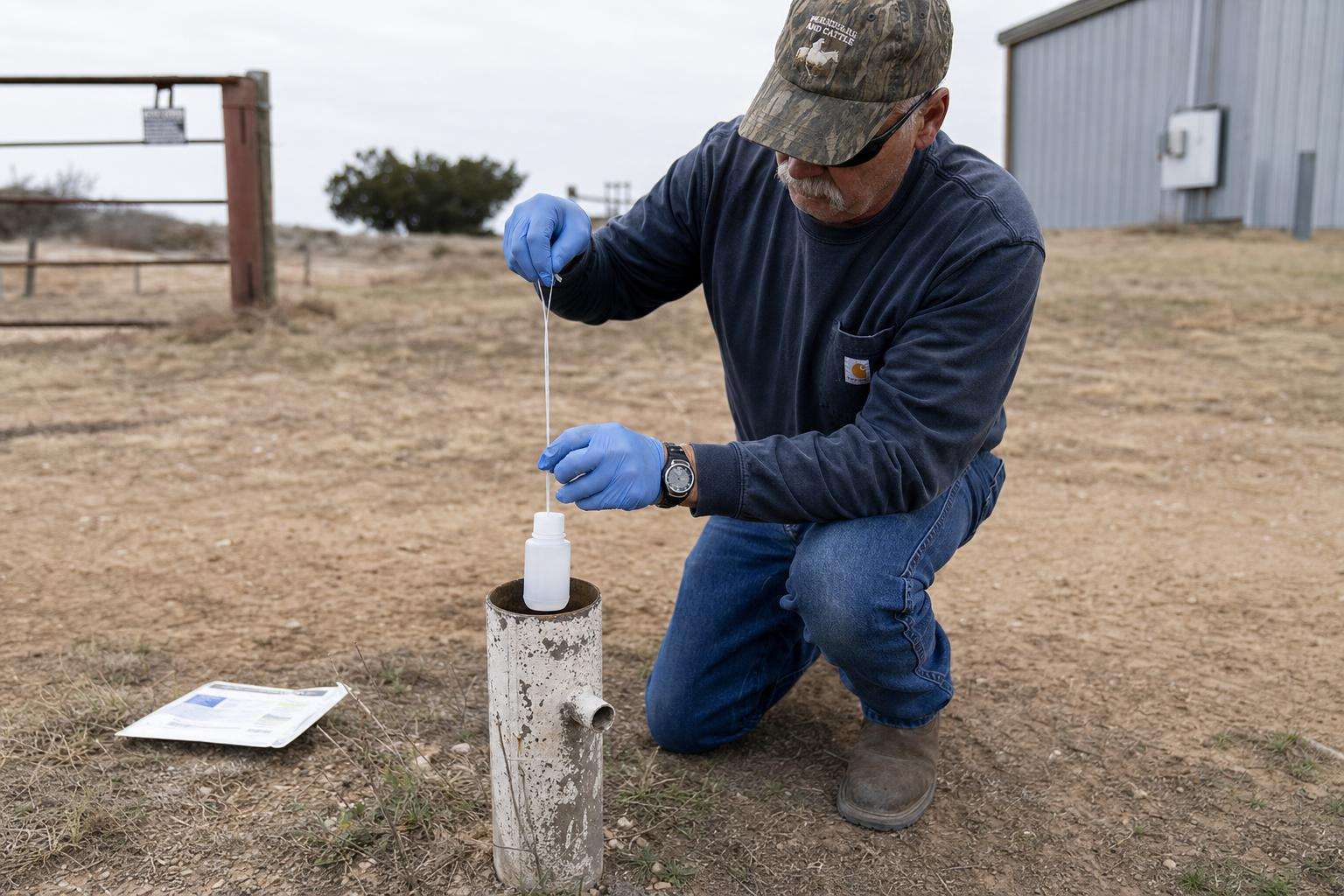
wellsleadnitratePFASCCR
Bottom line
CCR or well labs first—then filters that match chemistry.
- Build the panel from source type (municipal CCR vs private well suite) — Wrong panel wastes money; source type sets microbe and chemistry priorities.
- Municipal users: read CCR + test for lead at the tap when risk factors exist — Utility report is free context; first-draw lead testing targets plumbing risk.
- Coliform/E. coli + nitrate (+ local geology toxins) on a schedule — Microbes and nitrate are high-stakes for infants and not covered by utility monitoring.
How we built this guide
Ranked by health stakes, source-type correctness, actionability for treatment matching, and resistance to gadget kits without lab credibility.
- Dose / clinical impact. Likely effect on exposure or health decision quality.
- Evidence base. Agency guidance, trials, or consensus statements.
- Adherence cost. Money, time, and household friction.
- Harm of misuse. Whether bad execution creates new risks.
Key takeaways
- Split municipal versus private-well panels from the start
- For wells, start with microbes and nitrate, then local toxins
- Test first-draw tap water for lead when plumbing risk exists
- Test for PFAS when local risk or your goals justify the cost
- Interpret units against health-based benchmarks
- Treat for what you find, then re-test the product water
Split municipal versus private-well panels from the start
Different legal and microbe realities
Who this is for: Every homeowner or renter investigating water
Do
- Corrects the biggest decision fork
- Prevents false security on wells
- Uses free CCR data for municipal users
- Sets retest cadence expectations
Watch out
- Some homes have mixed sources or treatment already installed
For wells, start with microbes and nitrate, then local toxins
Infants and storms change urgency
Who this is for: Private well households
Do
- Hits highest acute well risks
- Infant nitrate protection
- Local geology extensible
- Supports treatment sequencing
Watch out
- Lab fees recur; logistics of sampling matter
Test first-draw tap water for lead when plumbing risk exists
Service lines and fixtures matter
Who this is for: Older housing and homes with infants
Do
- Targets a high-impact metal
- Plumbing-specific sampling logic
- Protects formula preparation decisions
- Guides filter vs replacement choices
Watch out
- Service line replacement can be costly and multi-stakeholder
Test for PFAS when local risk or your goals justify the cost
ppt labs are not always first-line for every home
Who this is for: Homes near known PFAS sources or with specific concerns
Do
- Risk-based spending
- Connects to treatment matching
- Uses regulatory context
- Avoids unverified pitcher faith
Watch out
- Costly; method choice matters
Interpret units against health-based benchmarks
ppm vs ppb vs ppt errors are common
Who this is for: Anyone with lab results in hand
Do
- Prevents unit mistakes
- Enables correct filter shopping
- Supports official consultation
- Creates durable records
Watch out
- Some advisories are complex and evolving
Treat for what you find, then re-test the product water
Close the loop
Who this is for: Homes installing treatment after testing
Do
- Verifies treatment claims
- Schedules maintenance scientifically
- Protects high-vulnerability users
- Creates property documentation
Watch out
- Ongoing cost and diligence required
Frequently asked
How often should private wells be tested?
Many public-health sources suggest at least annual coliform testing and checks after floods, repairs, or taste/odor changes, with nitrate and other chemistry on a schedule based on risk. Local health departments may refine cadence for your geology. Confirm details with a qualified clinician or primary guidance document when your situation is high-stakes.
Is a store strip kit enough?
Strip kits can screen some parameters but often lack the credibility, detection limits, and microbe methods of certified labs. Use them as optional screens, not sole decisions for infant safety or major treatment spend. Confirm details with a qualified clinician or primary guidance document when your situation is high-stakes.
Does my city’s water still need testing at home?
Start with the Consumer Confidence Report. Additional home testing is often about plumbing (for example lead) or personal goals, not repeating every utility analyte monthly. Confirm details with a qualified clinician or primary guidance document when your situation is high-stakes. Confirm details with a qualified clinician or primary guidance document when your situation is high-stakes.
Should I filter before testing?
Usually test first to know what you are solving. If you already filter, you may test both source and product water to verify performance. Buying treatment blind is a common expensive error. Confirm details with a qualified clinician or primary guidance document when your situation is high-stakes.
What if bacteria are positive?
Do not ignore it. Stop using untreated water for drinking if advised, contact local health or a well professional, disinfect/repair as directed, and re-test. Investigate the contamination pathway rather than only shocking repeatedly without fixes. Confirm details with a qualified clinician or primary guidance document when your situation is high-stakes.