Environmental Health
The Water Contaminants Worth Testing For (2026)
Priority water analytes by risk context: lead, arsenic, nitrate, PFAS, bacteria on wells, disinfection byproducts—test before you filter-shop.
water testingleadarsenicPFASwell water
Bottom line
Risk-ranked analytes: lead, arsenic, nitrate, PFAS, microbes—test before filter shopping.
- Lead (especially older plumbing and service lines) — Neurodevelopmental risk at low levels makes premise-plumbing lead a first-line test priority for many homes with risk factors.
- Nitrate (wells near agriculture or septic influence) — Cheap, high-impact screen for a common well problem with acute infant risk context.
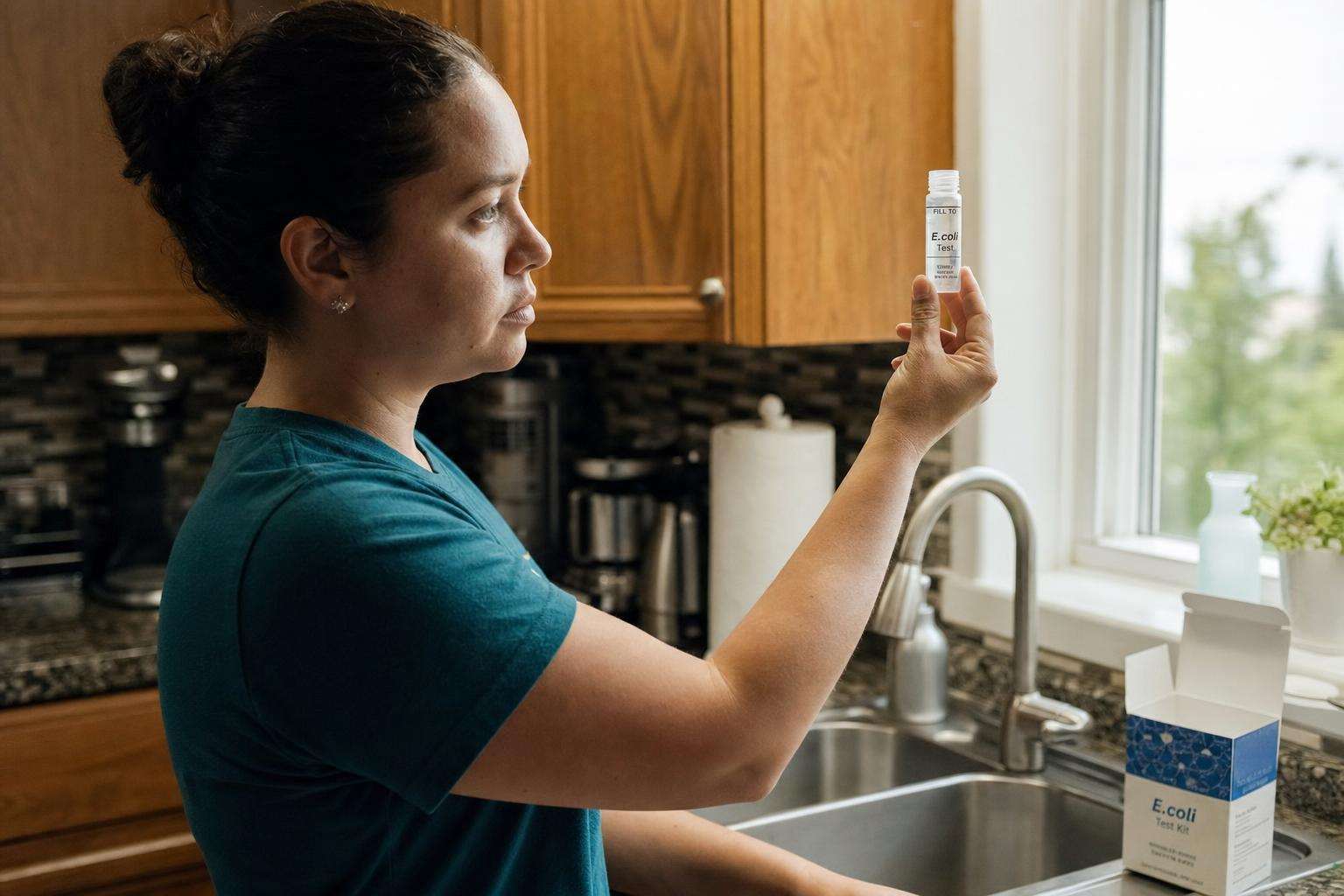
- Total coliform/E. coli microbial screen — Microbial safety is foundational; chemical filters do not fix a contaminated well head.
How we built this guide
We ranked water analytes by health impact, prevalence in risk settings, and actionability of results—prioritizing test-before-treat over random wellness panels.
- Health severity. Acute or chronic toxicity relevance.
- Risk-context prevalence. How often elevated in wells or premise plumbing.
- Actionability. Whether results change treatment choices.
- Cost of ignorance. Harm from skipping the test in high-risk settings.
Key takeaways
Lead, especially with older plumbing and service lines
Premise plumbing risk—not only the water source
Who this is for: Homes with older plumbing, lead service lines, or young children
Do
- High developmental toxicity concern
- Often premise-plumbing specific
- Clear mitigation pathways
- Relevant to public and private systems
Watch out
- Sampling method errors mislead; not the top chemical for every geology
Arsenic, a geology-driven risk in wells
Natural geology can put arsenic in wells without industrial drama
Who this is for: Private well owners in arsenic-prone regions or unknown geology
Do
- Severe chronic toxicity profile
- Common in specific geologies
- Actionable with RO and other treatments
- Often missed without testing
Watch out
- Less relevant for many treated municipal systems already meeting MCLs
Nitrate, from agriculture and septic influence
Cheap screen, high stakes for infants on well water
Who this is for: Well owners near agriculture, septic, or with infants at home
Do
- Low test cost
- Clear infant risk context
- Common rural well issue
- Guides treatment choice
Watch out
- Less central for many city systems; strips can mislead if misused
PFAS, when risk signals or informed curiosity warrant it
Forever chemicals need claim-matched methods—not guesswork
Who this is for: Households with PFAS notices, industrial proximity, or high concern plus budget for labs
Do
- Major modern regulatory and health attention
- Treatment technology pathways exist
- Informs filter shopping with data
- Relevant near known source classes
Watch out
- Costlier panels; not equally indicated everywhere
Total coliform and E. coli on private wells
Chemical filters do not fix a dirty wellhead
Who this is for: All private well owners, especially after floods or system work
Do
- Foundational acute GI risk control
- Inexpensive relative to harm prevented
- Directs sanitary repairs
- Required after floods and construction
Watch out
- Does not detect all pathogens or chemicals; needs chemical panel partners
DBPs, copper, and context-specific add-ons
Utility chemistry and local industry dictate the long tail
Who this is for: People with specific local risk signals or utility report questions
Do
- Captures important regional and system-specific risks
- Encourages CCR literacy on city water
- Flexible long-tail panel design
- Supports smart spending
Watch out
- Easy to over-test without local rationale; kit quality varies
Frequently asked
I am on city water—do I still need to test?
Often you can start with the consumer confidence report and any public notices. Premise-plumbing lead can still warrant targeted testing in older buildings. If you install filters, match them to documented concerns. Private wells need owner testing because they are not regulated like public systems. When in doubt, ask the local utility or health department what is common in your area.
How often should well owners test?
Many public-health materials suggest at least annual microbial testing and periodic chemical panels, with extra tests after floods, repairs, or land-use changes. Nitrate and coliform are frequent minimal annual items. Arsenic and metals may be less frequent once baseline is known unless treatment or geology suggests otherwise. Document results for future buyers and treatment maintenance.
Can I trust hardware-store test strips?
Strips can be rough screens but are easy to misread and may lack the rigor of certified laboratory methods for decisions about infant safety or expensive treatment. Confirm important results with a certified lab. Use strips as interim clues, not lifelong sole surveillance, when risk is high or results will drive major spending.
Does a great filter remove the need to test?
No. Filters are technology-specific. Without knowing the analyte, you may buy the wrong device or never maintain it. Test, treat, maintain, and sometimes retest. Boiling is not a universal fix and worsens some chemical concentrations. Certification claims must match the contaminant you actually have. Individual clinical context can change priorities.
What about fluoride testing?
Fluoride can be relevant for private wells with natural fluoride or for households wanting to know total intake from fluoridated city water plus dental products. It is not always the first acute risk analyte compared with microbes, nitrate, lead, or arsenic. Test when local geology or personal dental-care planning makes the number decision-relevant.