Evidence-dense health optimization

Health Canon

Environmental Health

Parasite Test Types, Explained (2026)

Stool O&P, antigen/PCR panels, blood tests by parasite—clinician-ordered, exposure-matched; no cleanse kits.
14 MIN READ 3 SOURCES
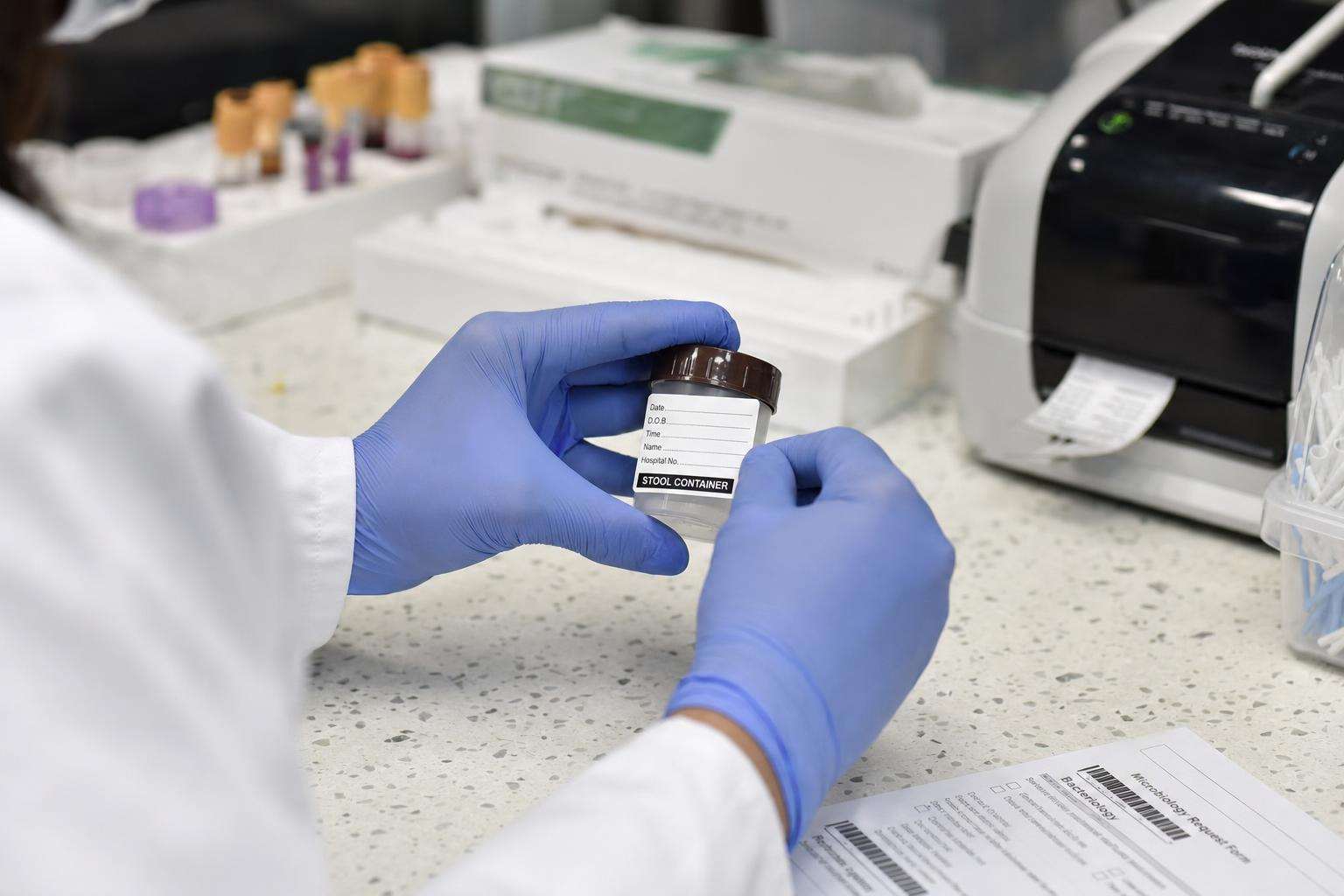
Environmental Health Clinical stool collection kit and lab form on a counter, no people
Illustration: Health Canon

O&PPCRantigenserologytravel

Bottom line

O&P, antigen/PCR, serology—match method to exposure; skip cleanse kits.

  • Exposure-matched stool studies ordered by a clinician — Method choice and pre-test probability beat random DTC panels.
  • Skip paid “parasite cleanse kits” sold as diagnostics — Saves money and prevents false therapy without diagnosis.
  • Discuss Giardia/Crypto-capable stool antigen or NAAT pathways — Classic exposures map to organisms traditional single O&P can miss if poorly timed.

How we built this guide

Ranked by clinical utility, method-organism match, cost discipline, and harm of non-diagnostic cleanse products.

  • Dose / clinical impact. Likely effect on exposure or health decision quality.
  • Evidence base. Agency guidance, trials, or consensus statements.
  • Adherence cost. Money, time, and household friction.
  • Harm of misuse. Whether bad execution creates new risks.

Key takeaways

  1. Start with exposure history and symptoms, not a cart of kits
  2. Stool ova-and-parasite (O&P) microscopy: what it is and isn't
  3. Antigen and PCR/NAAT stool panels for selected protozoa
  4. Blood serology and specialized tests for tissue parasites
  5. When not to test: mild, self-limited illness
  6. Why cleanse kits and 'rope worm' claims aren't diagnostics

Start with exposure history and symptoms, not a cart of kits

Pretest probability is a test

Before naming a laboratory method, rank the clinical story: travel geography, freshwater swimming, undercooked meat or fish, daycare exposures, immunosuppression, duration of diarrhea, blood in stool, fever, and weight loss. Ranked first because the best “test type” is the one matched to organisms plausible in that story. A negative stool study after wrong timing or wrong method is not proof of “mystery parasites needing cleanse.” Bring medication list including recent antibiotics. Sexual history can matter for some enteric pathogens—clinicians should ask professionally. Photo diaries of meals do not replace history but help. This step prevents both under-testing high-risk travelers and over-testing every bloating complaint with expensive multiplex panels. Document changes and reassess after several weeks so habits stick rather than cycling novelty. Coordinate with household members when shared products or schedules determine adherence. Prefer primary agency and clinical guidance over social-media summaries when stakes are high. Escalate to a qualified clinician when red-flag symptoms appear rather than indefinite self-experimentation.

Who this is for: Anyone considering parasite testing

Do

  • Raises diagnostic yield
  • Avoids shotgun spending
  • Guides method selection
  • Surfaces non-parasitic differentials

Watch out

  • Requires a careful clinician interview

Stool ova-and-parasite (O&P) microscopy: what it is and isn't

Classic method, operator and timing dependent

Traditional O&P examines stool for eggs, cysts, and parasites under microscopy, often with concentration techniques and multiple samples across days because shedding can be intermittent. Ranked as a core type to understand because many patients hear “stool test” without knowing limitations: not all labs perform high-quality O&P, fixatives and transport matter, and some organisms are better detected by antigen or molecular assays. A single casual sample can miss pathogens. O&P is not a comprehensive screen for every enteric virus or bacteria. Ask the lab which organisms they report and whether special stains are included. Do not interpret a quick office strip as full O&P. This literacy stops false reassurance from incomplete testing. Document changes and reassess after several weeks so habits stick rather than cycling novelty. Coordinate with household members when shared products or schedules determine adherence. Prefer primary agency and clinical guidance over social-media summaries when stakes are high. Escalate to a qualified clinician when red-flag symptoms appear rather than indefinite self-experimentation.

Who this is for: Clinician-directed GI parasite evaluations

Do

  • Established method for many helminths/protozoa
  • Widely ordered historically
  • Multiple samples improve yield
  • Teaches timing/shedding concepts

Watch out

  • Sensitivity varies; not ideal sole test for every protozoan

Antigen and PCR/NAAT stool panels for selected protozoa

Method match for Giardia, Crypto, and more

Enzyme immunoassays and nucleic acid amplification tests detect specific parasite antigens or DNA/RNA and often outperform casual microscopy for organisms like Giardia and Cryptosporidium when those tests are indicated. Multiplex GI panels may bundle bacteria, viruses, and parasites—powerful but not always first-line for mild self-limited traveler’s diarrhea. Ranked high for modern practice literacy: ask which targets are included, whether results change treatment, and cost/insurance hurdles. PCR can detect residual nucleic acid; clinical correlation still matters. Immunocompromised patients may need broader and faster pathways. This test class is why “I did O&P once years ago” is not equivalent to a modern workup. Document changes and reassess after several weeks so habits stick rather than cycling novelty. Coordinate with household members when shared products or schedules determine adherence. Prefer primary agency and clinical guidance over social-media summaries when stakes are high. Escalate to a qualified clinician when red-flag symptoms appear rather than indefinite self-experimentation. Spend first dollars and attention on the highest-yield steps; optional upgrades come later.

Who this is for: Prolonged diarrhea, specific exposures, high-risk hosts

Do

  • Higher yield for key protozoa when indicated
  • Faster turnaround in many labs
  • Clearer target lists
  • Useful in outbreaks and high-risk hosts

Watch out

  • Cost; overtesting mild disease; interpretation nuance

Blood serology and specialized tests for tissue parasites

Not everything lives in stool

Some parasites are not diagnosed primarily from routine stool O&P—think certain tissue helminths, where serology, imaging, eosinophil patterns, or specialty labs matter. Ranked mid-pack because travelers and immigrants sometimes need blood-based or specialty testing guided by geography and symptoms (e.g., liver lesions, muscle pain, eosinophilia). Random “parasite blood panels” sold online without pretest probability create noise and false positives/negatives. Travel clinic or infectious disease input improves ordering. Eosinophilia has many causes beyond parasites. Never start broad antiparasitic drugs from a weak serology without expert interpretation—some treatments have toxicity. This item expands the map beyond stool-only thinking. Document changes and reassess after several weeks so habits stick rather than cycling novelty. Coordinate with household members when shared products or schedules determine adherence. Prefer primary agency and clinical guidance over social-media summaries when stakes are high. Escalate to a qualified clinician when red-flag symptoms appear rather than indefinite self-experimentation. Spend first dollars and attention on the highest-yield steps; optional upgrades come later.

Who this is for: Compatible syndromes and exposure geographies

Do

  • Covers non-stool syndromes
  • Supports travel/ID specialty care
  • Connects eosinophilia workups
  • Prevents wrong stool-only assumptions

Watch out

  • False positives/negatives; specialist access needed

When not to test: mild, self-limited illness

Stewardship is a test strategy

Not every GI upset needs a multiplex parasite panel. Mild traveler’s diarrhea that resolves, gas after diet change, and wellness-culture “I feel toxic” claims are poor indications for shotgun parasitology. Ranked as essential counterweight because overtesting creates false positives, cascade treatments, and cost. Red flags that raise testing urgency include severe dehydration, blood in stool, high fever, severe pain, prolonged symptoms, pregnancy, and immunosuppression—seek care rather than ordering DTC kits. Hydration and time remain first-line for many self-limited illnesses. This “when not” item is part of explaining test types responsibly. Document changes and reassess after several weeks so habits stick rather than cycling novelty. Coordinate with household members when shared products or schedules determine adherence. Prefer primary agency and clinical guidance over social-media summaries when stakes are high. Escalate to a qualified clinician when red-flag symptoms appear rather than indefinite self-experimentation. Spend first dollars and attention on the highest-yield steps; optional upgrades come later. Keep records of labs, product labels, and exposures so trends are visible across visits.

Who this is for: Mild, resolving symptoms without risk factors

Do

  • Reduces low-value spend
  • Lowers cascade harm
  • Focuses resources on high-risk patients
  • Counters cleanse culture

Watch out

  • Patients may feel dismissed—communicate red flags clearly

Why cleanse kits and 'rope worm' claims aren't diagnostics

Products ≠ laboratory medicine

Herbal cleanse kits, film photos of “parasites” that are mucus casts, and unvalidated home microscopy are not substitutes for clinical laboratory testing. Ranked as a hard close because these products delay real care for IBD, bacterial infection, or actual parasites needing prescription therapy. Some botanicals interact with drugs and harm the liver. If a practitioner shows only in-office microscope slides without CLIA-grade methods, demand proper labs. Public-health reportable diseases need formal diagnosis pathways. Spend money on clinician visits and indicated tests—not monthly cleanse subscriptions. This anti-fraud item protects the entire testing discussion. Document changes and reassess after several weeks so habits stick rather than cycling novelty. Coordinate with household members when shared products or schedules determine adherence. Prefer primary agency and clinical guidance over social-media summaries when stakes are high. Escalate to a qualified clinician when red-flag symptoms appear rather than indefinite self-experimentation. Spend first dollars and attention on the highest-yield steps; optional upgrades come later.

Who this is for: Anyone targeted by parasite cleanse ads

Do

  • Prevents delayed diagnosis
  • Avoids hepatotoxic botanicals
  • Restores lab standards
  • High practical harm reduction

Watch out

  • Aggressive wellness marketing is pervasive

Frequently asked

Is one stool sample enough?

Not always. Some parasites shed intermittently, so clinicians may order multiple samples or use antigen/NAAT methods with different performance characteristics. Follow the collection instructions exactly—timing, fixatives, and transport change results. Ask which method your lab is using. Confirm details with a qualified clinician or primary guidance document when your situation is high-stakes.

Can I order a full parasite panel online without a doctor?

DTC options vary in quality and follow-up. Clinician-ordered testing ties method to exposure, ensures treatment access, and handles reportable diseases. If you use DTC labs, bring results to a clinician rather than self-starting drugs from a PDF. Confirm details with a qualified clinician or primary guidance document when your situation is high-stakes.

Do negative tests mean I should still cleanse?

No. A thoughtful negative workup should redirect toward other diagnoses or watchful waiting, not automatic herbal cleanses. If symptoms persist, ask what alternative explanations remain rather than escalating unproven antiparasitic products. Confirm details with a qualified clinician or primary guidance document when your situation is high-stakes.

Which test is best after lake swimming diarrhea?

Discuss freshwater exposures with a clinician; Giardia and Cryptosporidium are classic considerations and may need antigen or molecular testing rather than assuming a single casual O&P is definitive. Hydration and red-flag monitoring matter while you arrange care. Confirm details with a qualified clinician or primary guidance document when your situation is high-stakes.

Do blood tests replace stool tests?

No. Blood serology targets different syndromes and organisms than stool studies. The methods are complementary depending on the parasite’s life cycle and where it lives in the body. Method match beats buying every test class at once. Confirm details with a qualified clinician or primary guidance document when your situation is high-stakes.