Environmental Health
Preventing Parasites While Traveling (2026)
Travel parasite prevention: water safety, food rules, hand hygiene, vector bite prevention, pre-travel clinical consults, and post-travel symptom thresholds.
safe watertravel foodhand hygienevectorstravel clinic
Bottom line
Water, food, hands, bites, pre-travel clinic—diagnosis before drugs.
- Pre-travel clinic visit for destination-specific risks — Vaccines, malaria meds, and counseling differ by place and itinerary—generic packing lists miss this.
- Hand hygiene before eating and after toilets — Lowest-cost behavior with broad impact on fecal-oral pathogens including many parasites.
- Strict safe-water hierarchy (bottled/boiled/filtered/treated) — Waterborne protozoa and other pathogens dominate many itineraries when taps are unreliable.
How we built this guide
Ranked travel prevention steps by fecal-oral and vector risk reduction, CDC/WHO alignment, and resistance to unprescribed antiparasitic theater.
- Dose / clinical impact. Likely effect on exposure or health decision quality.
- Evidence base. Agency guidance, trials, or consensus statements.
- Adherence cost. Money, time, and household friction.
- Harm of misuse. Whether bad execution creates new risks.
Key takeaways
- Book a pre-travel consult timed to your itinerary
- Follow a strict safe-water hierarchy
- Use food-safety rules without joyless absolutism
- Wash or sanitize hands before eating and after the toilet
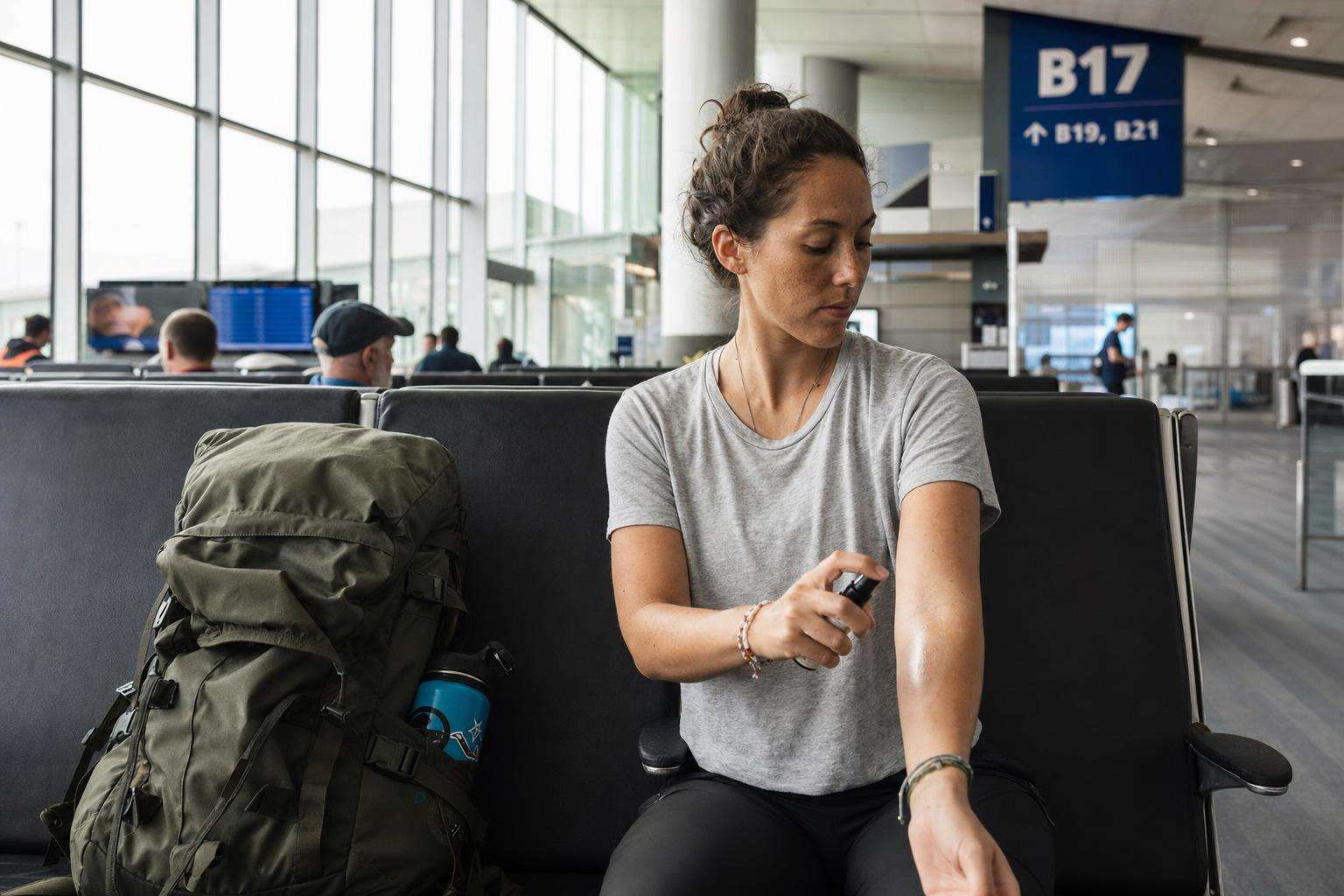
- Prevent insect bites that transmit parasites
- Know post-travel symptom thresholds and skip empiric cleanses
Book a pre-travel consult timed to your itinerary
Destination changes the kit
Who this is for: International travelers especially to lower-resource or rural settings
Do
- Destination-specific prophylaxis
- Vaccine timing
- Protects special populations
- Counters cleanse culture
Watch out
- Access and cost of travel clinics; last-minute trips compress options
Follow a strict safe-water hierarchy
Ice and brush water count
Who this is for: Travel to regions with unsafe tap water
Do
- Targets major fecal-oral pathway
- Multiple redundant methods
- Includes ice and dental water
- Device literacy opportunity
Watch out
- Filter misuse; counterfeit bottled water in some markets
Use food-safety rules without joyless absolutism
Peel it, boil it, cook it, or forget it—applied wisely
Who this is for: All travelers eating outside controlled kitchens
Do
- Broad pathogen coverage
- Compatible with enjoyable travel
- No special equipment
- Teaches temperature and peel heuristics
Watch out
- Not zero-risk; social pressure; hard for some dietary needs
Wash or sanitize hands before eating and after the toilet
Fecal-oral is still the plot
Who this is for: Every traveler
Do
- Extremely high cost-effectiveness
- Protects kids and adults
- Works across destinations
- Habit transfers home
Watch out
- Sanitizer gaps for soiled hands; forgotten under alcohol dining culture
Prevent insect bites that transmit parasites
Malaria and others are not food problems
Who this is for: Travelers to vector-borne disease endemic areas
Do
- Addresses non-food parasitic routes
- Integrates meds and nets
- Time-of-day tactics
- Critical for fever after return
Watch out
- Adherence fatigue; heat comfort tradeoffs with clothing
Know post-travel symptom thresholds and skip empiric cleanses
Fever after tropics is a medical urgency cue
Who this is for: Travelers with persistent or severe symptoms after trips
Do
- Defines when to escalate
- Blocks harmful self-medication
- Improves clinical history quality
- Public health relevant
Watch out
- Access to travel-aware clinicians varies after return
Frequently asked
Should I take a parasite cleanse before or after travel?
No as routine prevention. Destination-specific vaccines, medications, and hygiene matter. After travel, persistent symptoms need diagnosis—not unprescribed multi-drug cleanses that can harm and confuse testing. Confirm details with a qualified clinician or primary guidance document when your situation is high-stakes.
Does alcohol in drinks kill parasites in ice?
No. Alcoholic beverages do not reliably sterilize contaminated ice or water. Use safe water sources for ice and dilution in risky settings. Confirm details with a qualified clinician or primary guidance document when your situation is high-stakes. Confirm details with a qualified clinician or primary guidance document when your situation is high-stakes.
Are all water filters equal for protozoa?
No. Devices differ in pore size and certified reduction claims for bacteria, viruses, and protozoan cysts. Match the filter to the risk and follow maintenance instructions. Boiling remains a robust backup when feasible. Confirm details with a qualified clinician or primary guidance document when your situation is high-stakes.
When is traveler’s diarrhea an emergency?
Seek urgent care for bloody diarrhea, high fever, severe dehydration, intractable vomiting, dizziness, or symptoms in infants, elderly, pregnant, or immunocompromised travelers. Mild cases still need fluid replacement and clinical advice when prolonged. Confirm details with a qualified clinician or primary guidance document when your situation is high-stakes.
How early should I schedule a travel clinic visit?
Ideally several weeks before departure so vaccine series and medication counseling can be completed. Last-minute trips still benefit from a visit or virtual travel advice, but options narrow. Confirm details with a qualified clinician or primary guidance document when your situation is high-stakes.