Evidence-dense health optimization

Health Canon

Environmental Health

Mold-Testing Myths, Corrected (2026)

Why moisture control beats air-spore theater, when testing helps, and how remediation hierarchy actually works.
14 MIN READ 3 SOURCES
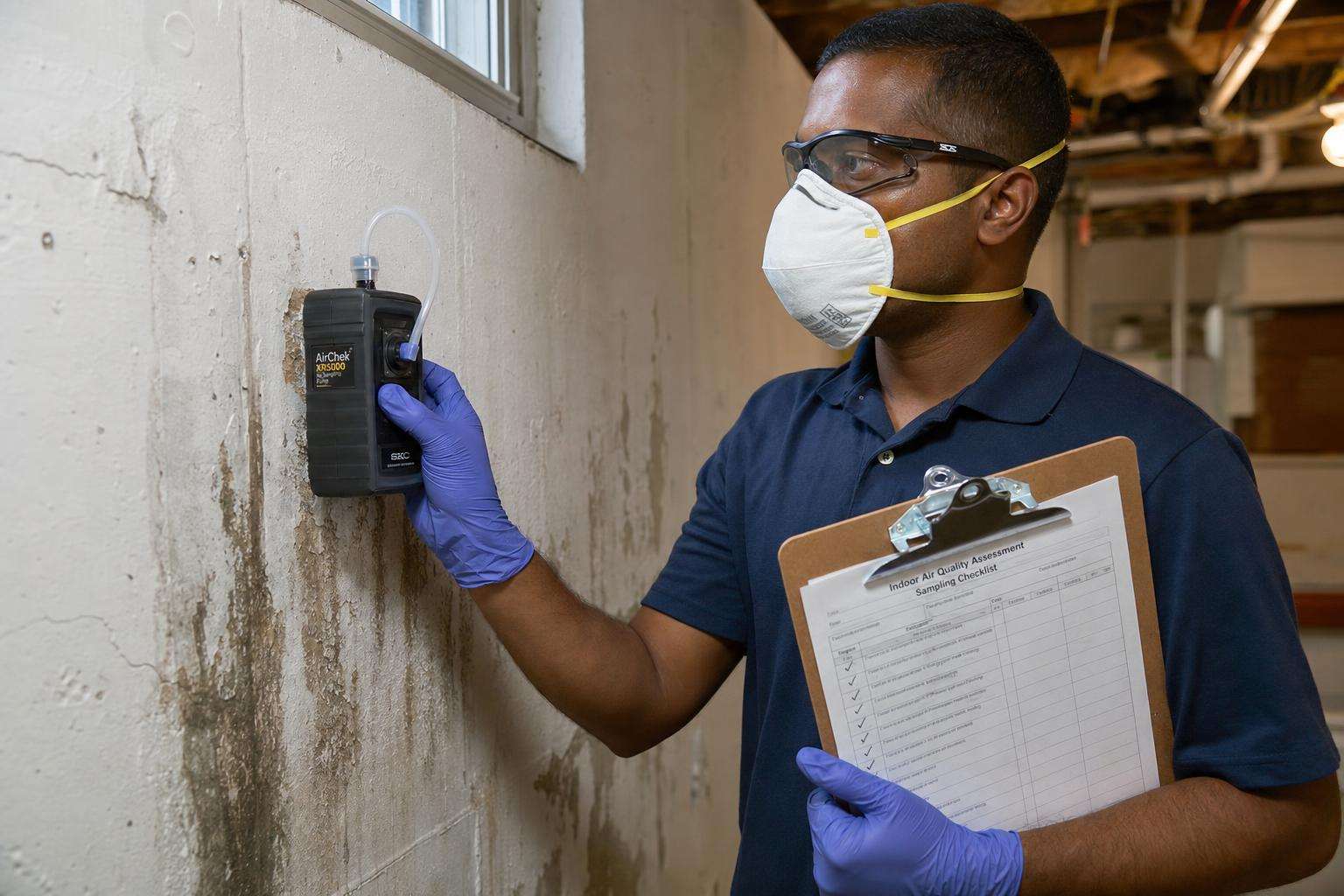
Environmental Health Dehumidifier near a previously damp basement corner, no people
Illustration: Health Canon

moistureEPAsporesremediationPPE

Bottom line

Moisture first, smart assessment—spore kits are not magic.

  • Fix moisture sources and remove damaged porous materials by scale — EPA/CDC framing prioritizes dampness control over endless testing loops.
  • Inspect with eyes, nose, and moisture meter logic before paid spore kits — Many problems are visible or odor-linked; free inspection beats premature lab fees.
  • Professional moisture investigation when source is hidden — Targeted assessment beats random outdoor/indoor spore comparisons alone.

How we built this guide

Ranked by how often the myth delays moisture control, wastes money, or creates false reassurance—grounded in EPA/CDC mold guidance.

  • Dose / clinical impact. Likely effect on exposure or health decision quality.
  • Evidence base. Agency guidance, trials, or consensus statements.
  • Adherence cost. Money, time, and household friction.
  • Harm of misuse. Whether bad execution creates new risks.

Key takeaways

  1. Myth: you must test the air before doing anything
  2. Myth: one spore-count number proves safety or danger
  3. Myth: ERMI or DNA dust scores dictate your health destiny
  4. Myth: bleach alone solves mold on porous materials
  5. Myth: professionals are never worth it, or always required
  6. Myth: any mold means permanent toxic injury for everyone

Myth: you must test the air before doing anything

Water control is the intervention

EPA and CDC mold guidance emphasizes finding and fixing moisture problems and cleaning or removing moldy materials—air sampling is not routinely required to decide that a wet, visibly moldy wall needs action. Ranked first because households lose weeks waiting on spore reports while leaks continue. If you see mold or smell persistent mustiness after water events, start moisture diagnostics: plumbing, roof, grading, HVAC condensate, and humidity control. Document with photos for landlords or insurers. Small areas may be homeowner-cleanable with proper PPE and methods; larger contamination needs professionals. Testing can help in complex or hidden cases, but it is not a universal on-switch. This myth thrives because labs sell certainty; buildings need dry assemblies. Pair with our remediation priorities listicle for hierarchy after the myth is cleared. Document changes and reassess after several weeks so habits stick rather than cycling novelty. Coordinate with household members when shared products or schedules determine adherence. Prefer primary agency and clinical guidance over social-media summaries when stakes are high.

Who this is for: Any home with dampness or visible mold

Do

  • Aligns with EPA/CDC action framing
  • Stops delay while leaks run
  • Saves premature lab spend
  • Forces building science focus

Watch out

  • Hidden sources may still need professional investigation

Myth: one spore-count number proves safety or danger

Context-free counts mislead

Indoor air spore counts vary with outdoor levels, season, HVAC operation, sampling method, and activity that stirs dust. A single number without outdoor comparison, building history, and moisture mapping is weak decision fuel. Ranked high because families treat lab PDFs like blood tests with universal cutoffs that do not exist the same way. Settled dust and air samples answer different questions. Species lists can be interesting and still not replace repair. Be wary of inspectors who only sell testing without remediation plans—or remediators who only sell tear-outs without moisture correction. Ask what decision the test will change. If results will not alter the dry-out plan, spend on repairs. This debunk does not claim all sampling is useless; it claims unanchored numbers are oversold. Document changes and reassess after several weeks so habits stick rather than cycling novelty. Coordinate with household members when shared products or schedules determine adherence. Prefer primary agency and clinical guidance over social-media summaries when stakes are high.

Who this is for: Households shopping air-spore kits online

Do

  • Prevents false reassurance or panic
  • Highlights method limitations
  • Encourages decision-linked testing
  • Improves inspector/remediator selection

Watch out

  • Complex litigation or clinical cases may still use structured sampling

Myth: ERMI or DNA dust scores dictate your health destiny

Research tools ≠ universal home grade

ERMI and related indices appear in research and some commercial offerings as dust DNA mold rankings. They are not a standalone clinical diagnosis of a person, nor a universal building code. Ranked as a high-friction myth because scores can terrify without mapping active water leaks. CDC materials have discussed limitations of using such indices as broad health decision tools for the public. If you receive an ERMI-like report, still ask: where is the moisture, what materials are contaminated, what is the remediation scope? Do not skip medical care for respiratory disease because a dust score looks “good.” Conversely, a high score without symptoms still points to building investigation, not automatic lifelong detox. Use indices as optional adjuncts under qualified interpretation when they change the moisture plan. Document changes and reassess after several weeks so habits stick rather than cycling novelty. Coordinate with household members when shared products or schedules determine adherence. Prefer primary agency and clinical guidance over social-media summaries when stakes are high.

Who this is for: Readers given DNA mold dust scores

Do

  • Calibrates commercial DNA score hype
  • Returns focus to moisture and materials
  • Separates research tools from diagnosis
  • Reduces score-driven panic purchases

Watch out

  • Some qualified IEP professionals may use structured tools in context

Myth: bleach alone solves mold on porous materials

Porous removal beats surface theater

Chlorine bleach may change appearance of mold on non-porous surfaces but does not fix moisture and often fails as a sole strategy on porous drywall, ceiling tiles, and carpet padding where roots of the problem are material colonization plus wetness. EPA cleanup guidance focuses on fixing water and removing or thoroughly cleaning contaminated materials appropriate to the surface. Ranked high because bleach foggers and scent cover-ups create false completion. Never mix bleach with ammonia. Ventilate and use PPE. For large areas, hire remediators who contain dust. Painting over active mold without drying is cosmetic fraud against your future self. This myth-bust pairs with remediation hierarchy: dry, remove, clean, prevent. Keep bleach as a limited tool, not a religion. Document changes and reassess after several weeks so habits stick rather than cycling novelty. Coordinate with household members when shared products or schedules determine adherence. Prefer primary agency and clinical guidance over social-media summaries when stakes are high.

Who this is for: DIY cleaners facing moldy drywall or carpet

Do

  • Stops incomplete cosmetic fixes
  • Aligns with EPA cleanup framing
  • Reduces hazardous mixing risks
  • Pushes porous material honesty

Watch out

  • Some non-porous cleaning still uses appropriate disinfectants per guidance

Myth: professionals are never worth it, or always required

Scale and hidden sources decide

Two opposite myths: every black spot needs a $20k abatement, or no professional is ever justified. Reality scales with area, HVAC involvement, sewage contamination, hidden wall cavities, and occupant vulnerability. Ranked mid-pack as decision hygiene. Small, clean-water, non-porous issues may be homeowner projects with PPE; large or complex problems need experienced remediators and sometimes industrial hygienists. Get written scopes that include moisture correction, not fogging alone. Check that “mold certificates” are not empty marketing. Landlord-tenant situations need documentation. Medical questions about symptoms belong with clinicians while housing is fixed in parallel. This rule prevents both under- and over-buying services. Document changes and reassess after several weeks so habits stick rather than cycling novelty. Coordinate with household members when shared products or schedules determine adherence. Prefer primary agency and clinical guidance over social-media summaries when stakes are high. Escalate to a qualified clinician when red-flag symptoms appear rather than indefinite self-experimentation. Spend first dollars and attention on the highest-yield steps; optional upgrades come later.

Who this is for: Households sizing remediation help

Do

  • Introduces scale-based decisions
  • Improves scope of work quality
  • Balances DIY and pro paths
  • Useful in rental disputes

Watch out

  • Finding quality pros is uneven by market

Myth: any mold means permanent toxic injury for everyone

Dose, species, host, and dampness duration matter

Mold exposure can aggravate asthma and cause other health effects in susceptible people, and damp indoor environments are associated with respiratory problems—but internet scripts that declare irreversible “toxic mold syndrome” for every household overclaim and can impede practical housing fixes. Ranked last to calm catastrophic framing without denying real illness pathways. CDC/EPA emphasize moisture and cleanup; clinicians manage symptoms and differential diagnoses. Do not skip emergency care for severe respiratory distress because you are hunting spore brands. Children with asthma need medical action plans plus housing remediation. Fear-based moving decisions sometimes are warranted for severe contamination—but base them on building reality and medical advice, not a single Facebook group protocol. Keep remediation and healthcare as parallel tracks. Document changes and reassess after several weeks so habits stick rather than cycling novelty. Coordinate with household members when shared products or schedules determine adherence. Prefer primary agency and clinical guidance over social-media summaries when stakes are high.

Who this is for: Anxious households after small mold finds

Do

  • Reduces catastrophic overclaim
  • Keeps medical care in the loop
  • Still validates dampness-health links
  • Supports calm prioritization

Watch out

  • Individual severe cases and legal contexts need specialists

Frequently asked

Do I need air testing if I can see mold?

Often no. Visible mold and moisture problems already justify cleanup and repair planning. Testing may help when sources are hidden or when documentation is required, but it should change a decision—not delay drying and removal. Confirm details with a qualified clinician or primary guidance document when your situation is high-stakes.

Is black mold always deadly?

Color is a poor toxicity test. Various species can appear dark. Focus on extent, moisture, and health symptoms with a clinician rather than color folklore. Large contaminations still deserve professional remediation regardless of color. Confirm details with a qualified clinician or primary guidance document when your situation is high-stakes.

Will a cheap online spore kit clear my home?

Mail-in kits without building investigation often produce numbers that are hard to interpret and do not fix leaks. Invest first in finding water sources and removing damaged materials. Confirm details with a qualified clinician or primary guidance document when your situation is high-stakes.

Is bleach the best mold killer?

Bleach is not a complete solution for porous materials and does not fix moisture. Follow EPA cleanup approaches: control water, remove or clean materials appropriately, and prevent recurrence. Confirm details with a qualified clinician or primary guidance document when your situation is high-stakes.

When should I call a professional?

Consider pros for large areas, sewage contamination, HVAC involvement, hidden cavities, or when occupants are highly vulnerable and the job exceeds safe DIY. Demand moisture correction in the scope of work. Confirm details with a qualified clinician or primary guidance document when your situation is high-stakes.