Environmental Health
Mold Remediation, in Priority Order (2026)
Moisture control first, then remove damaged porous materials, PPE, and clean—bleach last, fogging theater later.
moisturedryremovePPEHEPA
Bottom line
Moisture → dry → remove porous → PPE/clean—fogging last, not first.
- Stop the water source and dry structure before cosmetic cleanup — Growth returns if moisture persists; chemistry follows physics of water.
- Fix small leaks and humidity drivers early — Cheapest stack stage prevents large porous tear-outs later.
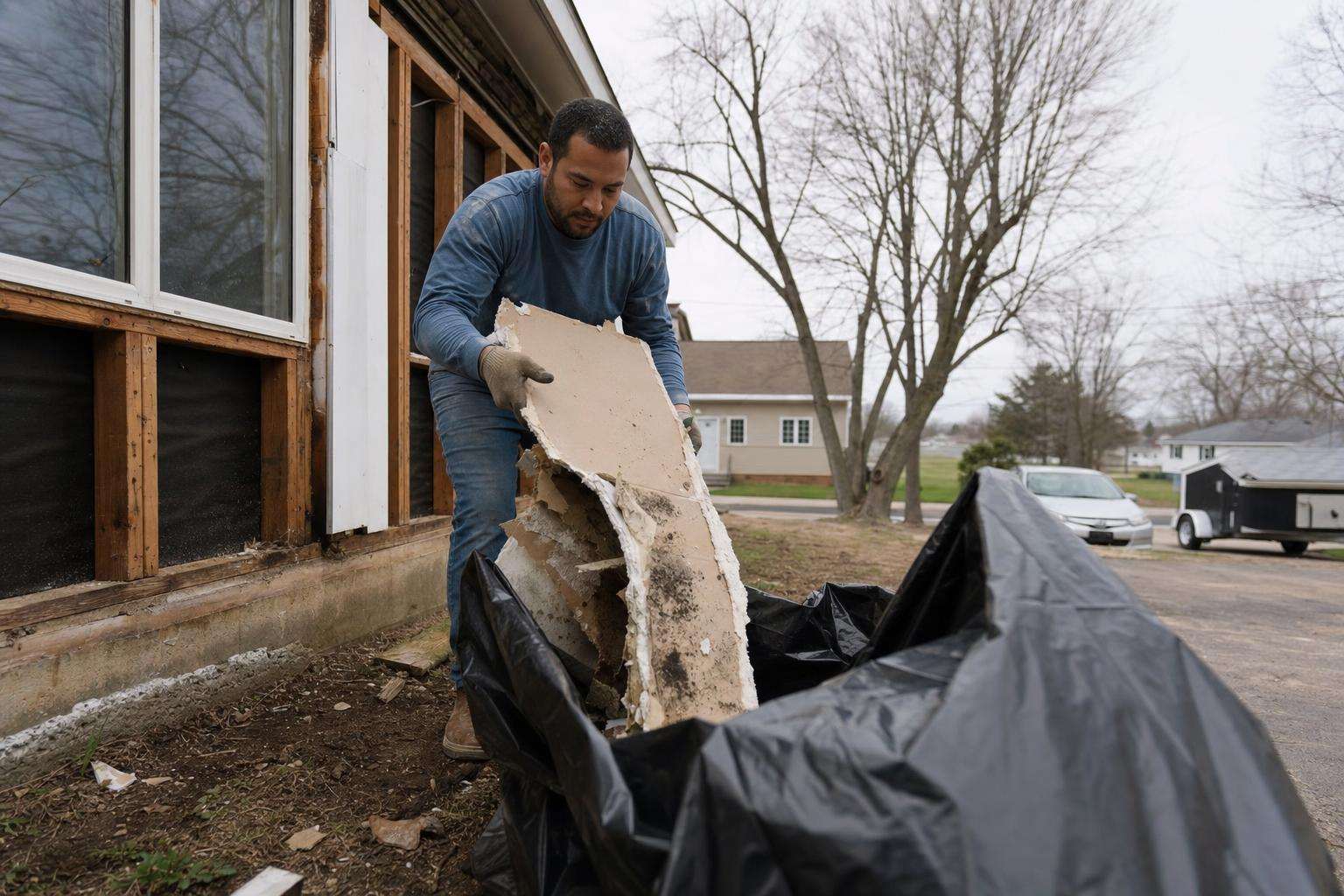
- Remove and replace damaged porous materials with containment as needed — Porous substrates often cannot be reliably cleaned in place.
How we built this guide
Ranked by EPA/CDC-aligned moisture-first logic, durability of fix, cost, and harm of out-of-order remediation theater.
- Dose / clinical impact. Likely effect on exposure or health decision quality.
- Evidence base. Agency guidance, trials, or consensus statements.
- Adherence cost. Money, time, and household friction.
- Harm of misuse. Whether bad execution creates new risks.
Key takeaways
First, stop the bulk water and humidity driving growth
No dry building, no durable fix
Who this is for: Any mold or dampness problem
Do
- Only durable root-cause control
- Prevents re-growth
- Aligns with EPA mold guidance ethos
- Reduces total project cost long-run
Watch out
- Finding hidden leaks can require pros
Dry the structure and contents fast
Hours and days matter
Who this is for: Post-leak and post-flood homes
Do
- Limits colonization window
- Preserves more contents when fast
- Measurable with meters
- Standard restoration practice
Watch out
- Equipment cost; electricity; noise
Remove moldy porous materials you can't reliably clean
Drywall is not a sponge you wash forever
Who this is for: Visible growth on porous building materials
Do
- Removes the reservoir
- Aligns with standard remediation practice
- Makes later cleaning meaningful
- Documentable for insurance
Watch out
- Costly; disruptive; needs dust control
Use PPE, clean hard surfaces, and HEPA-vacuum
Protect people, then clean what remains
Who this is for: Active cleanup phases
Do
- Reduces worker/occupant exposure
- Completes non-porous cleanup
- HEPA improves dust capture
- Standard sequence after demolition
Watch out
- PPE compliance friction; biocide misuse risk
Inspect the HVAC and ducts for moisture and growth
Do not blow spores house-wide
Who this is for: Homes with central air and water events
Do
- Prevents re-seeding rooms
- Fixes hidden moisture in mechanicals
- Filter discipline is cheap hygiene
- Upsell-aware framing
Watch out
- Requires skilled HVAC/mold coordination
Verify dryness and repairs, not vanity spore scores
Success = dry + fixed source
Who this is for: Post-remediation homeowners
Do
- Defines honest project success
- Resists testing gimmicks
- Supports long-term maintenance
- Connects health follow-up correctly
Watch out
- Clearance culture varies by industry vendor
Frequently asked
Should I bleach black mold and call it done?
Bleach on porous materials often fails to solve the problem and does not fix moisture. Clean non-porous surfaces with detergent and water when appropriate, remove damaged porous materials, and stop water sources. Bleach-first social media advice is incomplete at best. Confirm details with a qualified clinician or primary guidance document when your situation is high-stakes.
Do I need air quality testing before any cleanup?
Not always. Visible mold and known water damage often proceed to moisture control and cleanup without waiting on spore counts. Testing can help in complex investigations but should not delay drying. Interpret results with someone who understands limitations. Confirm details with a qualified clinician or primary guidance document when your situation is high-stakes.
When must I hire professionals?
Large areas, sewage contamination, HVAC involvement, structural complexity, or vulnerable occupants often justify licensed remediators. DIY is more plausible for small, clean-water issues on hard surfaces with good PPE. When unsure, get an assessment before making it worse. Confirm details with a qualified clinician or primary guidance document when your situation is high-stakes.
Will fogging kill mold permanently?
Fogging without moisture control and material removal is unlikely to permanently solve growth in wet building materials and may introduce chemical hazards. Treat fogging claims skeptically relative to the moisture-first stack. Confirm details with a qualified clinician or primary guidance document when your situation is high-stakes.
What indoor humidity target helps prevention?
Many IAQ sources suggest keeping indoor relative humidity roughly below 60% (often aiming near 30–50% for comfort and mold risk balance), with climate and winter condensation caveats. Use exhaust fans and fix cold surfaces that sweat. Humidity control supports but does not replace leak repair.