Environmental Health
Mold Remediation Priorities That Matter (2026)
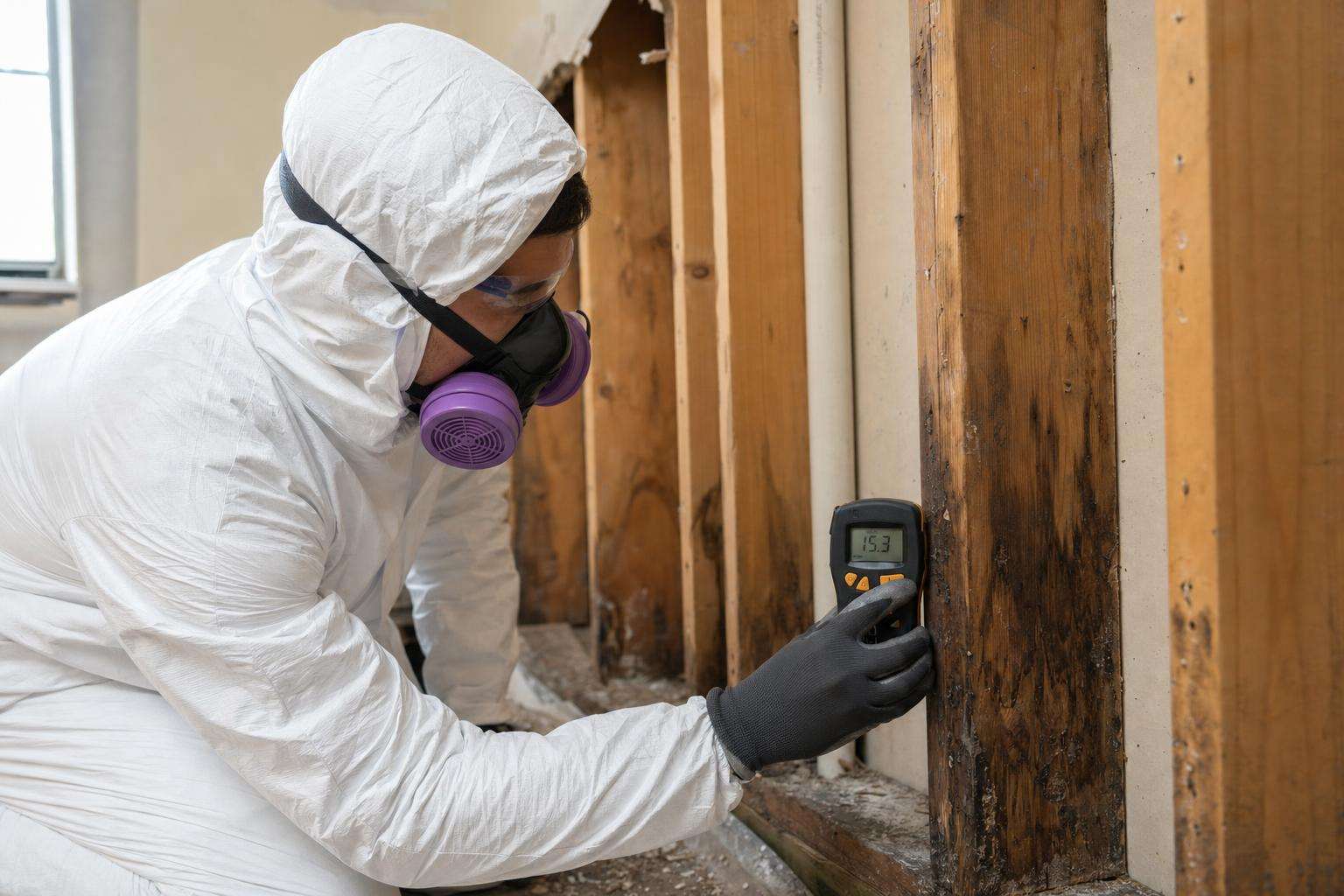
Moisture-first mold priorities: stop water, dry fast, remove damaged porous materials, protect occupants—bleach theater and fogging ranked last.
mold remediationdampnessmoisture controlbasement moldindoor air
Bottom line
Moisture-first hierarchy: stop water, dry fast, remove ruined porous materials—bleach theater last.
- Stop the water source and dry within 24–48 hours — WHO and EPA frameworks treat moisture as the primary driver; growth control fails if water keeps arriving.
- Ventilation, humidity targets, and exhaust habits — Fans, reasonable RH, and exhaust during showers/cooking prevent many restarts at low cost after leaks are fixed.
- Remove damaged porous materials; call pros when scale demands — Wet drywall, carpet pad, and ceiling tiles often cannot be reliably cleaned in place at scale.
How we built this guide
We ranked mold-related actions by public-health hierarchy: moisture control, material decisions, occupant protection, and prevention—explicitly de-ranking bleach-only and fogging theater.
- Moisture impact. Whether the step stops ongoing water or dampness.
- Public-health alignment. WHO, EPA, CDC framing on dampness and mold.
- Scale realism. DIY vs professional thresholds.
- Harm of misuse. Irritants, false security, or incomplete remediation.
Key takeaways
- Stop the water source and dry within 24-48 hours
- Remove damaged porous materials; call pros when scale demands
- Set ventilation, humidity targets, and exhaust habits
- Protect occupants and workers during disturbance
- Treat the HVAC and ducts as a systems problem
- Reject bleach-only and fogging-as-remediation theater
Stop the water source and dry within 24-48 hours
Moisture is the disease of the building—treat that first
Who this is for: Any home with active leaks, floods, or chronic dampness
Do
- Addresses the root driver of indoor mold growth
- Aligns with WHO and EPA moisture-first framing
- Reduces need for repeated chemical cleaning
- Supports insurance and landlord documentation when done well
Watch out
- Major leaks can be costly; hidden cavities may need opening
Remove damaged porous materials; call pros when scale demands
Wet drywall and pad often leave the building, not the bleach bottle
Who this is for: Post-flood homes and rooms with established porous contamination
Do
- Removes reservoirs cleaning cannot reach
- Clear DIY vs pro scale logic
- Reduces chronic re-amplification in wall cavities
- Standard in legitimate remediation practice
Watch out
- Cost and disruption; poor DIY demo can spread dust
Set ventilation, humidity targets, and exhaust habits
Keep RH reasonable; exhaust wet rooms—prevent the next bloom
Who this is for: Humid climates, basements, and multi-occupant wet-room homes
Do
- Low cost prevention after water control
- Strong alignment with dampness-focused public health
- Scales from apartments to houses
- Reduces re-remediation cycles
Watch out
- Does not fix active leaks or sewage alone; climate constraints vary
Protect occupants and workers during disturbance
PPE, containment, and relocation thresholds for high-risk people
Who this is for: Anyone opening moldy assemblies or living with high-risk household members
Do
- Reduces acute inhalation during demo
- Protects vulnerable occupants
- Standard in professional remediation
- Prevents cross-contamination of clean rooms
Watch out
- PPE is not a substitute for moisture repair; training gaps cause misuse
Treat the HVAC and ducts as a systems problem
Do not blow contaminated air house-wide; inspect with eyes open
Who this is for: Homes with wet air handlers, flooded mechanical rooms, or post-remediation recontamination
Do
- Prevents house-wide distribution of particles
- Addresses a common hidden moisture source at air handlers
- Pairs with filter maintenance habits
- Clearer when professionals inspect
Watch out
- Over-selling duct replacement is common; not every job needs full rebuild
Reject bleach-only and fogging-as-remediation theater
Disinfectants do not dry cavities or replace ruined drywall
Who this is for: Homeowners evaluating quotes that lead with fogging or bleach-only promises
Do
- Prevents wasted spend and false security
- Reduces unnecessary chemical lung irritants
- Forces attention back to moisture and materials
- Improves contractor selection criteria
Watch out
- Easy to under-clean salvageable hard surfaces if the message is oversimplified
Frequently asked
Can I clean small mold areas myself?
Many agencies describe small, limited areas on hard surfaces as potential DIY projects with gloves, eye protection, ventilation, and careful cleaning after the moisture source is fixed. Porous materials, large areas, sewage, HVAC involvement, or high-risk occupants push you toward professionals. Never skip drying. If mold returns quickly, you still have a moisture problem. Document conditions if you rent and escalate to the landlord with written requests.
Is black mold uniquely deadly?
Color is a poor toxicity classifier. Public-health concern centers on dampness, mold growth broadly, and respiratory effects rather than a single species nickname. Focus on fixing water and removing damaged materials. Seek medical care for breathing symptoms. Avoid panic marketing that sells tests and foggers based on color alone without moisture diagnostics and building repairs.
Should I buy a home mold test kit?
Air and surface kits sold to consumers often lack the sampling design, reference comparisons, and interpretation standards used in professional investigations. They can create false reassurance or false alarm. Prioritize visual assessment, moisture measurement, and water repairs. If you need testing, hire someone who can explain methods and limitations. Clinical care for symptoms should not wait on a plate culture from a shopping site.
Does bleach kill mold permanently?
Bleach may affect surface organisms on non-porous materials but does not fix wet porous assemblies or ongoing leaks. Irritant fumes are a real downside in enclosed spaces. Permanent control requires dry building materials and stopped water. Follow agency cleanup guidance rather than social media bleach recipes that mix chemicals unsafely or promise permanent sterilization without drying.
When must I leave the house during remediation?
High-risk individuals, large demolitions, sewage events, and jobs requiring heavy containment are common reasons for temporary relocation. Discuss with your clinician if you have severe asthma or immune compromise. Children should not occupy active work zones. A dry, cleaned home afterward is the goal—not permanent displacement without a repair plan and moisture fix.