Evidence-dense health optimization

Health Canon

Environmental Health

Microplastics: From Lab Headlines to Daily Habits (2026)

Map uncertain biomarkers to high-yield habits: no heat in plastic, water choices, dust, laundry—without purity panic.
14 MIN READ 3 SOURCES
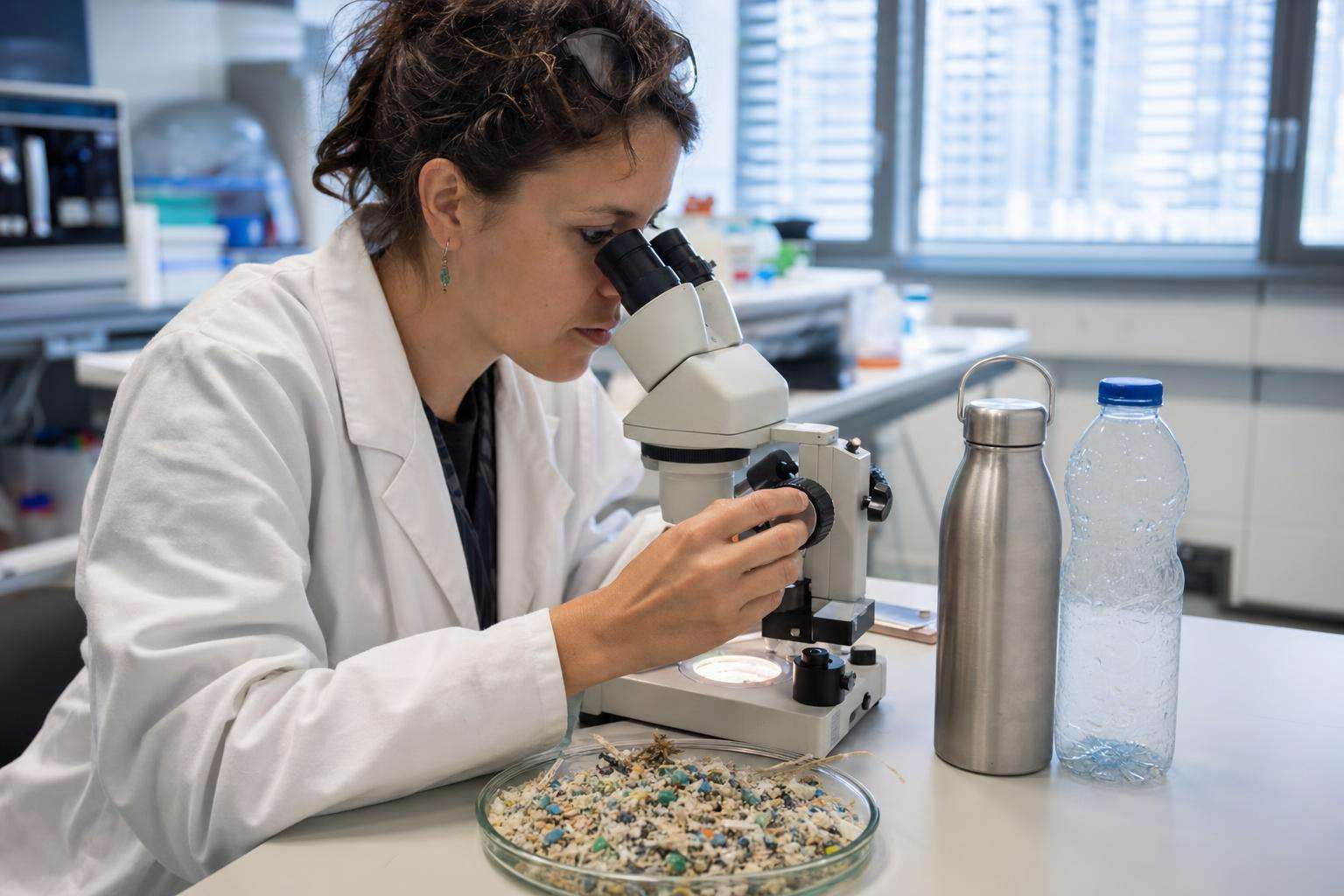
Environmental Health Glass water bottle and stainless containers on a kitchen counter, no people
Illustration: Health Canon

no heatwaterdustlaundrydose

Bottom line

Uncertain labs → certain habits: heat, water, dust, fibers—no cleanse theater.

  • Stop heating food/drink in plastic as default — Controllable behavior with clear particle/chemical release pathways.
  • Tap water in glass/steel + dust wet-wipe habits — Low cost relative to boutique filters sold on fear alone.
  • Glass/steel transfer before microwave or hot fill — Breaks the heat-plus-polymer dose step without diet overhaul.

How we built this guide

Ranked by controllability of exposure pathway, cost, and honesty about lab measurement limits.

  • Dose / clinical impact. Likely effect on exposure or health decision quality.
  • Evidence base. Agency guidance, trials, or consensus statements.
  • Adherence cost. Money, time, and household friction.
  • Harm of misuse. Whether bad execution creates new risks.

Key takeaways

  1. Lab headlines aren't a personal clinical microplastic panel
  2. Heat is the pathway: don't microwave or hot-fill plastic
  3. Choose sensible drinking-water defaults
  4. Cut indoor dust with wet dusting and high-capture vacuuming
  5. Reduce textile microfibers: wash full loads, choose quality garments
  6. Skip 'plastic detox' saunas; there's no validated cleanse

Lab headlines aren't a personal clinical microplastic panel

Methods are hard; clinics are not ready

Research detecting microplastics and nanoplastics in human tissues is advancing, but standardized, clinically validated personal “microplastic body burden” panels are not a routine medical tool with clear treatment thresholds. Ranked first in the map so readers do not buy unvalidated blood tests or detoxes from a news cycle. Measurement contamination, particle ID methods, and unit chaos still challenge labs. Use science news as motivation for exposure reduction, not as a diagnostic identity. If a clinic sells monthly plastic detox based on unproven assays, demand methods, controls, and outcome evidence. This epistemic map entry protects wallets and mental health while keeping curiosity intact. Document changes and reassess after several weeks so habits stick rather than cycling novelty. Coordinate with household members when shared products or schedules determine adherence. Prefer primary agency and clinical guidance over social-media summaries when stakes are high. Escalate to a qualified clinician when red-flag symptoms appear rather than indefinite self-experimentation. Spend first dollars and attention on the highest-yield steps; optional upgrades come later.

Who this is for: Readers of microplastic news

Do

  • Prevents false diagnostics
  • Sets honest expectations
  • Blocks detox upsells
  • Preserves science curiosity without panic

Watch out

  • Field moving quickly—revisit primary reviews periodically

Heat is the pathway: don't microwave or hot-fill plastic

Controllable kitchen rule

Heating food and beverages in plastic containers is a high-control lifestyle node linking lab concerns about particle and chemical migration to daily behavior. Ranked as top action: transfer to glass or ceramic for microwave; avoid pouring boiling liquids into soft plastics; watch dishwashers’ heat on worn plastics. This is not a claim that all cold plastic use is identical risk. Reuse bottles until damaged; replace when cloudy/cracked. Pack lunches with steel/glass when practical. Workplace microwaves are a common failure point—keep a glass container at desk. The map from pathway to habit is direct and cheap. Document changes and reassess after several weeks so habits stick rather than cycling novelty. Coordinate with household members when shared products or schedules determine adherence. Prefer primary agency and clinical guidance over social-media summaries when stakes are high. Escalate to a qualified clinician when red-flag symptoms appear rather than indefinite self-experimentation. Spend first dollars and attention on the highest-yield steps; optional upgrades come later.

Who this is for: Most households

Do

  • High controllability
  • Low cost
  • Family-teachable
  • Chemical and particle dual rationale

Watch out

  • Convenience friction outside home

Choose sensible drinking-water defaults

WHO context, practical bottles

Drinking water can contain microplastics; WHO and research literature discuss occurrence and uncertainty about health risk at typical levels. Lifestyle map: prefer maintained municipal water with appropriate filters for other contaminants you actually have, use glass or stainless personal bottles, and avoid obsessing over every bottled water brand’s particle marketing. Ranked mid-high because water is high-volume intake. Do not ignore proven chemical risks (lead, PFAS) while chasing only plastics. If you use plastic bottles, avoid heat in cars. This item integrates with our water treatment listicles rather than replacing them. Document changes and reassess after several weeks so habits stick rather than cycling novelty. Coordinate with household members when shared products or schedules determine adherence. Prefer primary agency and clinical guidance over social-media summaries when stakes are high. Escalate to a qualified clinician when red-flag symptoms appear rather than indefinite self-experimentation. Spend first dollars and attention on the highest-yield steps; optional upgrades come later. Keep records of labs, product labels, and exposures so trends are visible across visits.

Who this is for: People drinking from heated plastic bottles

Do

  • Addresses high-volume intake path
  • Integrates with real water chemistry priorities
  • Practical bottle swaps
  • Resists single-issue tunnel vision

Watch out

  • Bottled water marketing noise; filter overclaim risk

Cut indoor dust with wet dusting and high-capture vacuuming

Particles settle where you live

Indoor dust can carry synthetic particles from textiles, abrasion, and outdoor track-in. Lifestyle map: wet-dust, use vacuums with strong filtration, wash hands before eating, and manage shoes-off culture if feasible. Ranked as steady hygiene with co-benefits for allergens and lead dust in older homes. Do not panic-clean with harsh chemicals hourly. HEPA air cleaners may help particles generally but are not a microplastic cure-all. This pathway matters for crawling infants—coordinate with broader home toxin habits. Document changes and reassess after several weeks so habits stick rather than cycling novelty. Coordinate with household members when shared products or schedules determine adherence. Prefer primary agency and clinical guidance over social-media summaries when stakes are high. Escalate to a qualified clinician when red-flag symptoms appear rather than indefinite self-experimentation. Spend first dollars and attention on the highest-yield steps; optional upgrades come later. Keep records of labs, product labels, and exposures so trends are visible across visits. Revisit decisions when life stage, pregnancy, travel, or housing conditions change materially.

Who this is for: Households with kids or dusty homes

Do

  • Co-benefits for general IAQ
  • Low tech
  • Relevant to kids’ hand-to-mouth behavior
  • Pairs with allergy control

Watch out

  • Labor; does not eliminate all fibers

Reduce textile microfibers: wash full loads, choose quality garments

Laundry as emission control

Synthetic textiles shed microfibers in wash water; research explores filters, wash settings, and fabric choices. Lifestyle map: wash full loads, avoid unnecessary delicate cycles that increase abrasion when not needed, consider catch devices if you enjoy optimization, and buy fewer ultra-cheap shedding garments when replacing. Ranked lower than heat-in-plastic because municipal wastewater treatment and personal dose pathways differ—still worthwhile environmental citizenship. Do not shame necessary synthetic performance gear. Air-dry when practical for garment life. This is progressive reduction, not cotton-only religion. Document changes and reassess after several weeks so habits stick rather than cycling novelty. Coordinate with household members when shared products or schedules determine adherence. Prefer primary agency and clinical guidance over social-media summaries when stakes are high. Escalate to a qualified clinician when red-flag symptoms appear rather than indefinite self-experimentation. Spend first dollars and attention on the highest-yield steps; optional upgrades come later. Keep records of labs, product labels, and exposures so trends are visible across visits.

Who this is for: Households doing frequent synthetic laundry

Do

  • Actionable laundry rules
  • Environmental co-benefit framing
  • Optional hardware upgrades
  • Reduces panic with practical steps

Watch out

  • Personal exposure link more indirect than food heat

Skip 'plastic detox' saunas; there's no validated cleanse

Habit beats cleanse

There is no validated cleanse that flushes microplastics from organs on a schedule sold online. Ranked as the map’s stop rule: do not buy binders, teas, or extreme protocols claiming to purge plastic. General health habits—sleep, not smoking, diet quality—remain sensible without plastic mythology. Sauna and sweat claims for clearing plastics lack the kind of evidence used for real chelation medicine contexts. If anxiety is high, treat anxiety and fix controllable exposures rather than stacking supplements. Close the lab-to-lifestyle map with humility about unknowns and confidence about kitchen rules. Document changes and reassess after several weeks so habits stick rather than cycling novelty. Coordinate with household members when shared products or schedules determine adherence. Prefer primary agency and clinical guidance over social-media summaries when stakes are high. Escalate to a qualified clinician when red-flag symptoms appear rather than indefinite self-experimentation. Spend first dollars and attention on the highest-yield steps; optional upgrades come later. Keep records of labs, product labels, and exposures so trends are visible across visits.

Who this is for: Anyone targeted by plastic detox ads

Do

  • Blocks fraudulent products
  • Protects liver from random botanicals
  • Redirects to controllable habits
  • Mental-health honest

Watch out

  • Uncertainty can frustrate people wanting a number

Frequently asked

Can my doctor test my microplastic level?

Routine clinical testing with standardized interpretation is not established like cholesterol panels. Research assays exist in studies but are not a standard care pathway with treatment cutoffs. Focus on exposure habits and proven health measures instead of unvalidated detox panels. Confirm details with a qualified clinician or primary guidance document when your situation is high-stakes.

Is bottled water always worse than tap for microplastics?

Not always; studies vary by brand and methods. Heat, storage, and other contaminants matter too. Many people do well with quality tap water in glass or steel bottles. Match filters to measured chemical contaminants, not plastic fear alone. Confirm details with a qualified clinician or primary guidance document when your situation is high-stakes.

Do I need to throw out all plastic containers?

No. Prioritize not heating food in plastic and replacing damaged containers. Cold storage use is a different exposure context. Total elimination is often impractical; dose-reducing defaults matter more than purity theater. Confirm details with a qualified clinician or primary guidance document when your situation is high-stakes.

Are nanoplastics the same as microplastics?

Nanoplastics are smaller and harder to measure; methods and health implications are even less settled. The same lifestyle map—heat, water, dust—remains reasonable without needing separate panic protocols. Confirm details with a qualified clinician or primary guidance document when your situation is high-stakes.

Will an RO system solve microplastics?

Some treatment processes can reduce particles, but systems must be maintained and chosen for your water goals. RO has wastewater and cost trade-offs. Do not install RO only for plastics headlines while ignoring lead or PFAS if those are your real risks.