Evidence-dense health optimization

Health Canon

Environmental Health

Reducing Endocrine Disruptors at Home (2026)

Practical exposure cuts: plastics heat, fragrance, dust, receipts, pesticides—ranked without purity paralysis.
14 MIN READ 3 SOURCES
Environmental Health Glass food containers and fragrance-free cleaner bottles on a counter, no people
Illustration: Health Canon

plasticsphthalatesfragrancedustreceipts

Bottom line

Plastics heat, fragrance, dust—dose cuts without purity panic.

  • Stop heating food and drinks in plastic; prefer glass/steel — High-temperature contact is a controllable migration pathway with easy swaps.
  • Ventilate, damp-dust, and vacuum with good filtration — Dust is a reservoir for multiple semi-volatiles; cheap and multi-pollutant.
  • Fragrance-free personal care + no heated plastics + dust control — Stacks easy reductions during a higher-attention window without detox kits.

How we built this guide

Ranked by controllability, multi-chemical leverage, cost, and avoidance of detox-supplement theater.

  • Dose / clinical impact. Likely effect on exposure or health decision quality.
  • Evidence base. Agency guidance, trials, or consensus statements.
  • Adherence cost. Money, time, and household friction.
  • Harm of misuse. Whether bad execution creates new risks.

Key takeaways

  1. Stop heating food and drinks in plastic
  2. Cut heavy synthetic-fragrance loads indoors
  3. Damp-dust and vacuum, since dust is a chemical reservoir
  4. Handle thermal receipts mindfully and wash your hands
  5. Layer water filtration and food-packaging choices by the data
  6. Skip unproven 'hormone detox' supplement stacks

Stop heating food and drinks in plastic

Migration loves heat and fat

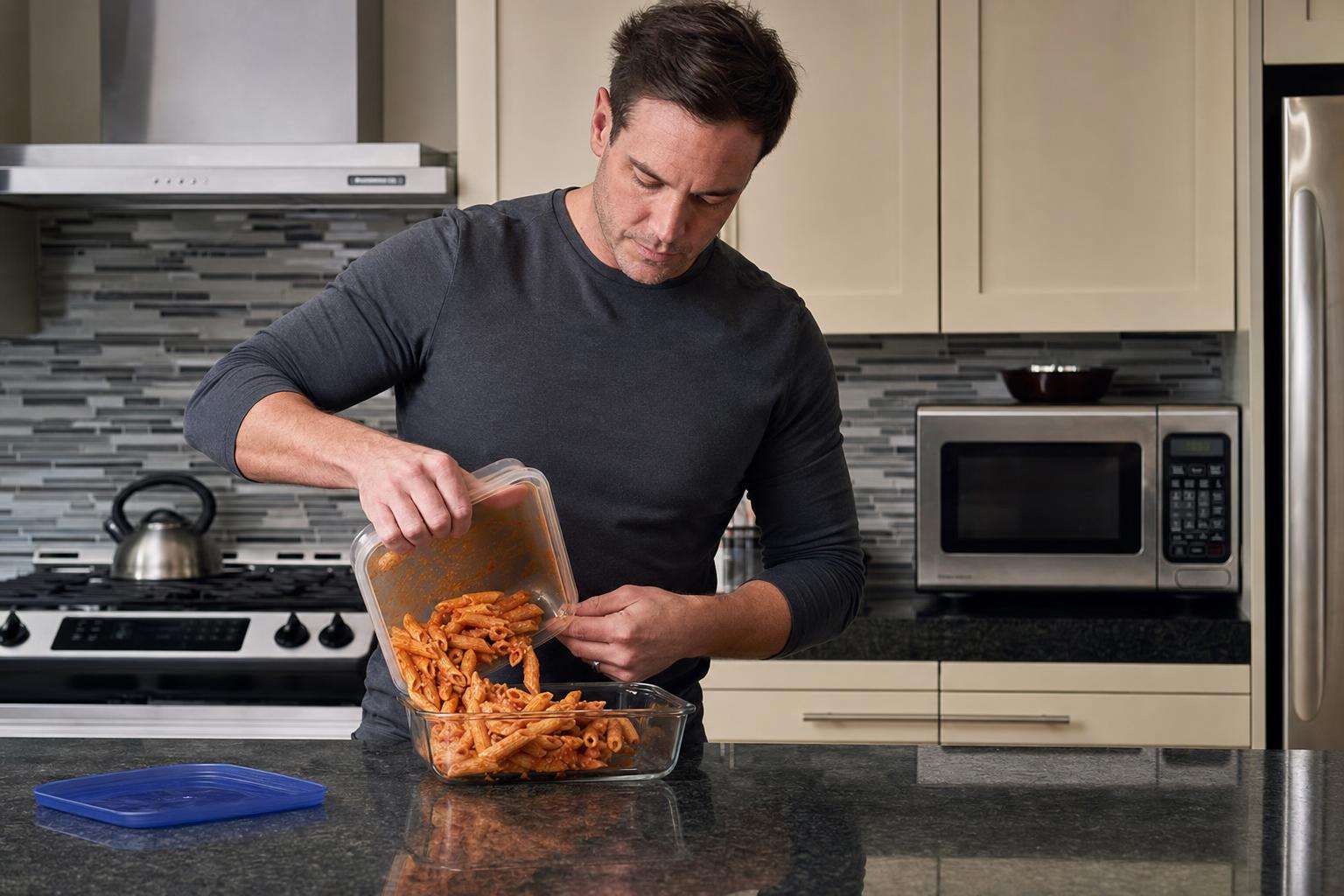
Heating leftovers in plastic containers, leaving water bottles in hot cars, and pouring boiling liquids into soft plastics increase opportunities for chemical migration compared with cooler storage. Ranked best overall because glass, ceramic, and stainless swaps are straightforward and cut a visible daily exposure route related to plastics additives discussions (including BPA-class and other food-contact substances). Use microwave-safe glass; cool foods before transferring if needed. Skip plastic utensils resting in nonstick pans at high heat when metal or wood alternatives exist. Canned foods with linings are a separate packaging choice—rotate with fresh/frozen when feasible without food insecurity. This rule does not require plastic-free absolutism at every snack. Label household containers so roommates comply. Pair with microplastics habits for broader particle reduction. Document changes and reassess after several weeks so habits stick rather than cycling novelty. Coordinate with household members when shared products or schedules determine adherence. Prefer primary agency and clinical guidance over social-media summaries when stakes are high.

Who this is for: Most households

Do

  • High controllability
  • Clear household rule
  • Low ongoing cost after swap
  • Multi-chemical pathway relevance

Watch out

  • Some plastics remain in supply chains—perfect avoidance impossible

Cut heavy synthetic-fragrance loads indoors

Phthalates and solvents ride the scent

Fragrance mixtures in air fresheners, plug-ins, scented detergents, and some personal care products can include phthalates and other solvents of interest in endocrine and indoor-air conversations. Ranked high because “unscented” swaps are cheap relative to medical anxiety. Choose fragrance-free laundry and cleaning for the base layer; essential-oil megadosing is not automatically safer—dose still matters. Ventilate after cleaning. Workplace scents may need negotiation, not just personal purity. See our fragrance-free swap listicle for product-class detail. This step also helps migraine and asthma phenotypes sensitive to odors. Avoid ozonating gadgets as a fragrance cover-up. Track symptoms when removing plug-ins for two weeks as a simple experiment. Document changes and reassess after several weeks so habits stick rather than cycling novelty. Coordinate with household members when shared products or schedules determine adherence. Prefer primary agency and clinical guidance over social-media summaries when stakes are high. Escalate to a qualified clinician when red-flag symptoms appear rather than indefinite self-experimentation.

Who this is for: Homes with plug-ins and heavy scent loads

Do

  • Low cost
  • Indoor air co-benefits
  • Easy product substitutions
  • Supports scent-sensitive occupants

Watch out

  • Complete fragrance avoidance socially difficult

Damp-dust and vacuum, since dust is a chemical reservoir

Semi-volatiles settle where kids crawl

Many consumer chemicals partition into indoor dust. Regular damp dusting, vacuuming with effective filtration, and handwashing reduce incidental ingestion—especially for toddlers. Ranked best-value multi-pollutant control alongside our home toxin and microplastic guidance. Prioritize floors where children play. Replace dusty HVAC filters on schedule. Shoes-off policies cut tracked-in dirt. Do not dry-sweep as the only method if it reaerosolizes dust. This is boring and high yield. Combine with safer furniture choices over time rather than overnight replacement panic. Keep chemistries of “antibacterial” dust sprays in check—mechanical removal is the star. Document changes and reassess after several weeks so habits stick rather than cycling novelty. Coordinate with household members when shared products or schedules determine adherence. Prefer primary agency and clinical guidance over social-media summaries when stakes are high. Escalate to a qualified clinician when red-flag symptoms appear rather than indefinite self-experimentation. Spend first dollars and attention on the highest-yield steps; optional upgrades come later. Keep records of labs, product labels, and exposures so trends are visible across visits.

Who this is for: Families with young children; dusty homes

Do

  • Multi-chemical leverage
  • Child-relevant pathway
  • Cheap recurring habit
  • HVAC co-benefits

Watch out

  • Requires consistency; dust returns

Handle thermal receipts mindfully and wash your hands

Occupational dose differs from one coffee stub

Some thermal papers historically used developers of concern (including BPA-related chemistries in older formulations). Ranked mid-pack: casual consumers can decline receipts or wash hands after handling stacks; cashiers and servers may need workplace controls and gloves policies. Do not obsess over a single receipt while microwaving soup in plastic daily. Digital receipts help when practical. Keep receipts out of kids’ play. This is a small, specific lever—stack it after plastics heat and fragrance. Stay updated as paper formulations change. Workplace health programs matter more than consumer guilt for high-handlers. Document changes and reassess after several weeks so habits stick rather than cycling novelty. Coordinate with household members when shared products or schedules determine adherence. Prefer primary agency and clinical guidance over social-media summaries when stakes are high. Escalate to a qualified clinician when red-flag symptoms appear rather than indefinite self-experimentation. Spend first dollars and attention on the highest-yield steps; optional upgrades come later. Keep records of labs, product labels, and exposures so trends are visible across visits.

Who this is for: Retail workers and heavy receipt handlers

Do

  • Simple behavior for high handlers
  • Supports occupational awareness
  • Easy digital substitution sometimes
  • Child exposure edge case control

Watch out

  • Formulations vary; not all papers identical

Layer water filtration and food-packaging choices by the data

After testing and diet pattern

PFAS and other water contaminants with endocrine research interest should be addressed with testing and matched filters—not vibe-based pitchers. Food packaging choices (less greasy takeout coatings when alternatives exist, more fresh/frozen prep) add incremental reduction. Ranked after household air and plastics heat because capital cost is higher and needs data. Do not let packaging fear create food insecurity. Selective organic produce rules can lower certain pesticide residues without purity cults. Avoid “estrogen detox” teas as substitutes for exposure cuts and medical care. Integrate with our PFAS and water testing listicles for operational detail. Document changes and reassess after several weeks so habits stick rather than cycling novelty. Coordinate with household members when shared products or schedules determine adherence. Prefer primary agency and clinical guidance over social-media summaries when stakes are high. Escalate to a qualified clinician when red-flag symptoms appear rather than indefinite self-experimentation. Spend first dollars and attention on the highest-yield steps; optional upgrades come later.

Who this is for: Households ready for capital upgrades after basics

Do

  • Connects to measured water risks
  • Food packaging increments
  • Avoids detox product detours
  • Compatible with budget produce rules

Watch out

  • Filter and organic premiums add cost

Skip unproven 'hormone detox' supplement stacks

Liver already has a job description

Supplements promising to “detox endocrine disruptors” or “balance estrogen” with proprietary blends often lack rigorous outcome evidence and can interact with medications. Ranked last as money and risk control after real exposure reductions. Support liver health by limiting alcohol, managing meds with clinicians, and vaccinating when indicated—not with mystery tinctures. If fertility or thyroid disease is the concern, see appropriate specialists rather than Instagram protocols. Keep product claim skepticism high. Budget from unused detox kits funds glass containers and a better vacuum. This closes the stack with intellectual honesty. Document changes and reassess after several weeks so habits stick rather than cycling novelty. Coordinate with household members when shared products or schedules determine adherence. Prefer primary agency and clinical guidance over social-media summaries when stakes are high. Escalate to a qualified clinician when red-flag symptoms appear rather than indefinite self-experimentation. Spend first dollars and attention on the highest-yield steps; optional upgrades come later. Keep records of labs, product labels, and exposures so trends are visible across visits.

Who this is for: Readers targeted by detox marketing

Do

  • Prevents waste and interactions
  • Redirects to medical care when needed
  • Reinforces exposure-first hierarchy
  • Protects vulnerable patients on meds

Watch out

  • Some prescribed therapies for endocrine disease are legitimate—different category

Frequently asked

Can I eliminate all endocrine disruptors?

No, and that goal causes paralysis. Focus on controllable high-leverage reductions: heated plastics, indoor fragrance loads, dust, and data-driven water choices. Cumulative progress beats purity fantasies. Confirm details with a qualified clinician or primary guidance document when your situation is high-stakes. Confirm details with a qualified clinician or primary guidance document when your situation is high-stakes.

Are all plastics equally concerning when heated?

Not all polymers and additives are identical, but heat and fatty foods generally increase migration potential compared with cool storage. Glass and stainless are simple defaults for heating without polymer chemistry degrees. Confirm details with a qualified clinician or primary guidance document when your situation is high-stakes.

Do fragrance-free products work as well?

Many unscented detergents and cleaners clean effectively. Fragrance is optional marketing for most chores. People with scent sensitivities often function better after removals. Confirm details with a qualified clinician or primary guidance document when your situation is high-stakes. Confirm details with a qualified clinician or primary guidance document when your situation is high-stakes.

Should I take supplements to detox EDCs?

Prioritize exposure reduction and medical care for diagnosed conditions. Unproven detox stacks are not a substitute and may pose risks. Discuss any supplement with a clinician if you are pregnant or on medications. Confirm details with a qualified clinician or primary guidance document when your situation is high-stakes.

Is this a treatment for low testosterone or infertility?

No. Hormone disorders need clinical evaluation. Environmental reductions are optional risk-reduction layers, not replacements for indicated testing and therapy. Confirm details with a qualified clinician or primary guidance document when your situation is high-stakes. Confirm details with a qualified clinician or primary guidance document when your situation is high-stakes.