Evidence-dense health optimization

Health Canon

Environmental Health

Practical EMF-Reduction Habits (2026)

Practical RF and ELF habits ranked by physics realism: distance, night transmitters off, wired when easy—without Faraday-fear product theater.
13 MIN READ 3 SOURCES
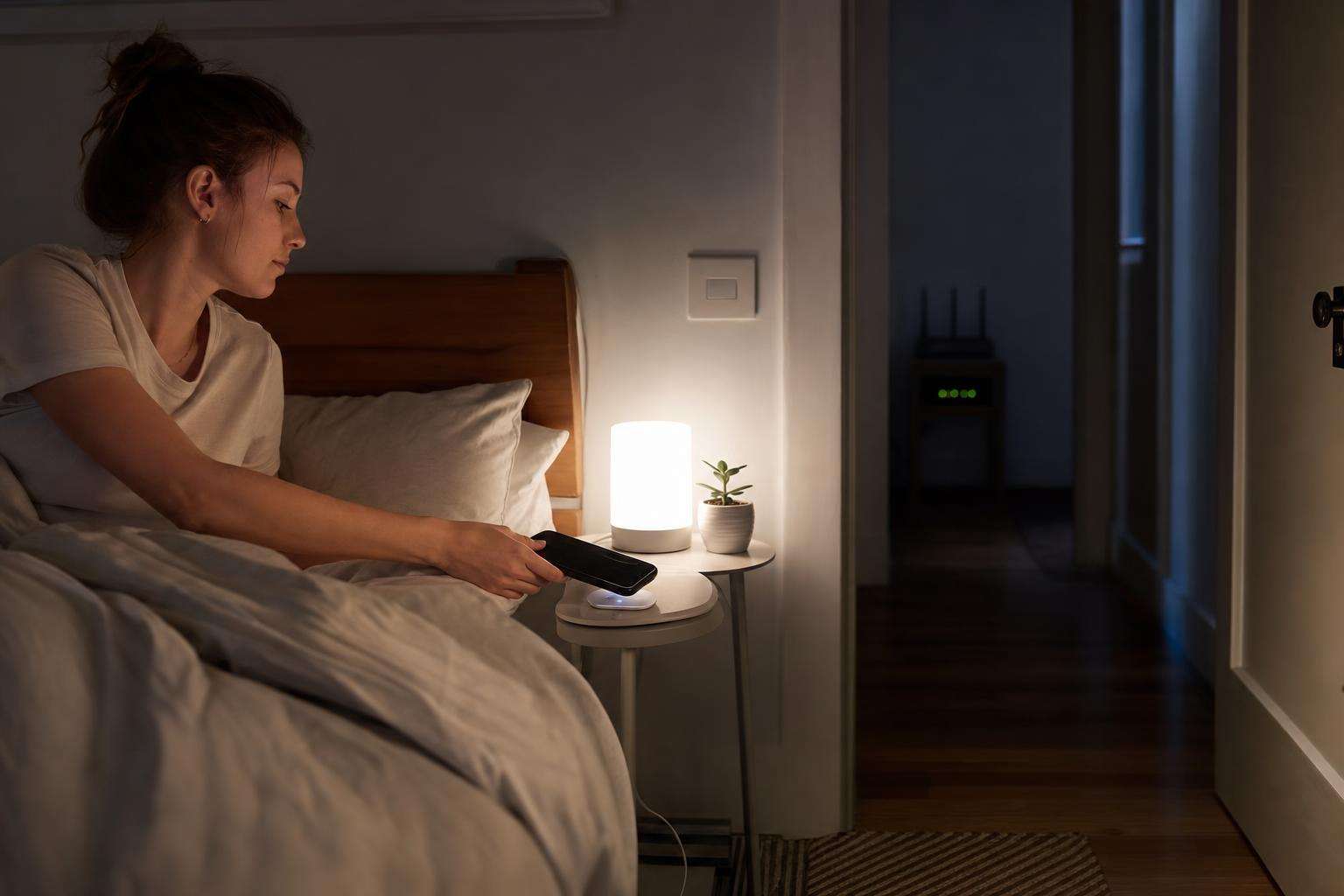
Environmental Health Phone on a nightstand far from a bed with an ethernet cable visible, no people
Illustration: Health Canon

EMF habitsRF distanceWi-Fi sleepwired ethernetELF fields

Bottom line

Distance, night transmitter discipline, wired links—physics-first habits without product fear theater.

  • Increase distance from personal transmitters — Inverse-square falloff makes centimeters from phone and tablet the highest-leverage RF habit without new hardware.
  • Night airplane mode / router schedule — Turning transmitters down when you do not need them costs nothing and removes unnecessary overnight near-field sources.
  • Prefer wired ethernet and speakerphone or headset — Wired data plus audio distance cuts continuous close-body RF from phones and weak Wi-Fi retries.

How we built this guide

We ranked EMF-related habits by physics realism (distance/time/shielding limits), cost, adherence, and honesty about uncertain health endpoints—quarantining sham products.

  • Exposure physics. Whether the habit meaningfully changes field strength or time near sources.
  • Evidence humility. Alignment with agency framing on RF/ELF without overclaiming disease causation.
  • Cost/adherence. Daily feasibility.
  • False-security risk. Whether the step sells placebo shielding.

Key takeaways

  1. Increase distance from personal transmitters
  2. Use airplane mode at night or schedule the router off
  3. Prefer wired Ethernet and a headset or speakerphone
  4. Place routers away from beds and all-day chairs
  5. Mind ELF fields from heavy appliances at close range
  6. Skip stickers, pendants, and sham shielding products

Increase distance from personal transmitters

Centimeters matter more than copper stickers

Radiofrequency field strength from phones, tablets, and wearables falls off rapidly with distance. Holding a handset away from the head with speakerphone or a wired headset, keeping laptops off the lap during heavy uplink tasks when practical, and not sleeping with a transmitting phone under the pillow are high-leverage habits grounded in basic near-field physics. Ranked first because no accessory matches free centimeters. Public agencies discuss RF exposure in terms of limits and research uncertainty rather than proven everyday disease from compliant devices, so this is risk-reduction hygiene under uncertainty—not proof of a specific illness pathway. Prefer texting over long calls pressed to the skull if you want lower head exposure without drama. Do not stack a phone on your abdomen all night for alarm convenience while it stays on Wi-Fi and cellular. Metal jewelry and odd cases do not create magical Faraday pockets for phones against your body. Measure success by consistent distance habits, not by buying a meter you cannot interpret. Pair with sleep hygiene so you do not blame every insomnia night on the router alone when stress and light are louder factors.

Who this is for: Anyone carrying phones all day or sleeping near handsets

Do

  • Strong physics basis via inverse-square falloff
  • Free and immediately actionable
  • No special equipment required
  • Reduces continuous near-body duty cycle

Watch out

  • Does not eliminate ambient environmental RF; health endpoints remain debated

Use airplane mode at night or schedule the router off

Turn down transmitters when you are not using the network

Overnight, most people do not need full cellular, Bluetooth, and Wi-Fi duty cycles next to the bed. Airplane mode on the handset, scheduled router radios off, or guest networks disabled overnight remove near-field sources during the sleep window at essentially zero cost. Ranked as best value for that reason. This is not a claim that residential RF is proven to cause a specific disease at ordinary levels; it is a low-regret time-control habit under scientific uncertainty and a help for sleep hygiene distraction. Smart home devices that break when Wi-Fi dies need exceptions—use schedules thoughtfully. Do not confuse router LEDs with exposure magnitude. If you rely on cellular for medical alerting devices, prioritize medical needs over RF minimalism. Combine with keeping the phone across the room if it must stay on for emergencies. Avoid unplug panic that destroys household function; target the sleep period first. Partners should agree on schedules so one person is not silently re-enabling radios every night and undoing the household plan.

Who this is for: Households open to simple night schedules without critical always-on medical radios

Do

  • Near-zero cost
  • Reduces overnight personal transmitter load
  • Supports broader sleep hygiene
  • Easy to reverse if needed

Watch out

  • Smart-home and medical-alert dependencies; not a cure for insomnia

Prefer wired Ethernet and a headset or speakerphone

Wires beat weak Wi-Fi thrashing for desk work

When practical, ethernet to a desktop or laptop dock reduces reliance on continuous Wi-Fi uplink from a device on your body, and a wired headset or speakerphone increases distance from the cellular or DECT handset during long calls. Ranked high for home-office use cases where adherence is easy. Wi-Fi at typical residential power levels is still generally discussed within agency exposure frameworks as low compared with limits, so this is optional hygiene and often a reliability upgrade, not a medical therapy. Powerline adapters and mesh nodes have their own trade-offs; place nodes away from the head of the bed. Do not run ethernet if it means unsafe cable trips—safety first. Cellular hotspots held against the body for hours are a worse pattern than a router across the room. Prefer downloading large files on Wi-Fi with the device on a table rather than streaming uplink from a phone in a pocket when you have a choice. This habit stacks with night schedules for a coherent home RF stack without foil wallpaper or unvalidated pendants that promise to neutralize towers.

Who this is for: Home-office workers and long-call professionals

Do

  • Cuts close-body continuous RF during desk work
  • Often improves network reliability
  • Clear use-case fit for offices
  • Compatible with normal modern life

Watch out

  • Not always practical in rentals or pure mobile work; cabling effort

Place routers away from beds and all-day chairs

Room geometry beats foil on the walls

Router and mesh node placement changes the distance between always-on transmitters and places where people spend hours. Prefer shelves away from the head of the bed and not under a desk chair if you can still cover the home. Ranked mid-high as a one-time layout fix. Whole-home coverage needs may force compromises; add a node in a hallway rather than under a pillow. Do not enclose a router in metal boxes that cause the radio to increase retries or overheat—bad shielding can worsen performance and create heat hazards. Consumer RF meters can mislead without frequency knowledge and duty-cycle understanding. Agency materials emphasize compliance and research context rather than DIY mapping as disease diagnosis. Combine placement with night schedules. If a landlord owns the gateway in a utility closet already distant, you may need no change. Avoid community panic about a neighbor’s router through walls when personal handset distance remains the larger near-field story for many people carrying phones all day against the body.

Who this is for: Homes where the router currently sits on a nightstand or under a desk

Do

  • One-time geometry improvement
  • No ongoing cost
  • Works with existing hardware
  • Complements night radio schedules

Watch out

  • Coverage constraints; meters often misread by consumers

Mind ELF fields from heavy appliances at close range

Distance from panels and big motors—not crystal stickers

Extremely low frequency magnetic fields from building wiring, panels, and large motors are a different physics class from microwave RF. Simple hygiene includes not lingering against the face of electrical panels, placing beds away from big motors when feasible, and using common sense around industrial equipment. Ranked lower for typical apartments because ordinary ambient ELF is usually modest, while personal RF transmitters are closer and more controllable. IARC has classified ELF magnetic fields as possibly carcinogenic based on limited evidence for childhood leukemia at higher average exposures in older epidemiology—context that does not justify panic about every cable, but does support not maximizing close time at high-field spots when easy to avoid. Hire licensed electricians for wiring faults and magnetic field issues tied to bad wiring; do not buy pendants. Dirty electricity filters are a contested product class with weak clinical justification for disease claims. Measure only with someone who understands what the number means. Pair ELF awareness with actual electrical safety—the shock and fire risks are not theoretical and outrank speculative field anxiety for most households.

Who this is for: People with beds against panels or working near heavy electrical equipment

Do

  • Separates ELF from RF correctly
  • Low-cost distance habits
  • Points serious wiring issues to electricians
  • Avoids pendant pseudoscience

Watch out

  • Typical residential fields often low; easy to over-anxiety without measurements

Skip stickers, pendants, and sham shielding products

If it promises to neutralize 5G in your pocket, walk away

A large accessory market sells stickers, pendants, negative-ion claims, and poorly designed pouches that promise to neutralize 5G or harmonize fields without engineering evidence. Some metal pouches can alter antenna behavior and increase handset transmit power in use—potentially counterproductive. Ranked last as an explicit quarantine list item: do not spend money here. Legitimate exposure reduction is distance, time, and sometimes engineered shielding designed by people who understand antennas—not holograms. IARC’s classification of RF-EMF as possibly carcinogenic in Group 2B is sometimes misused in marketing to sell fear; classification is not a shopping list. If anxiety about EMF is impairing life, that is a clinical and counseling issue, not a reason to foil the nursery. Keep phones updated and use manufacturer guidance for accessories. Channel budget into sleep, exercise, and air quality where effect sizes are clearer for most people. This rank protects wallets and reduces false security that replaces real habits with shopping therapy.

Who this is for: Anyone targeted by EMF wellness product ads

Do

  • Prevents wasted spend
  • Avoids potentially counterproductive accessories
  • Forces focus on physics-real habits
  • Reduces fear marketing capture

Watch out

  • Does not by itself reduce exposure—must pair with real habits

Frequently asked

Is residential Wi-Fi proven dangerous?

Major public-health agencies describe typical RF exposures from compliant devices as low relative to limits while research continues on long-term questions. That uncertainty is a reason some people choose low-regret distance and night-off habits—not a reason to claim proven everyday causation of specific diseases. Focus on sleep, mental health, and device addiction issues that are clearer. Avoid fear products that overclaim neutralization without engineering data.

Do EMF meters tell me if my house is safe?

Consumer meters can show relative signals but are easy to misinterpret without knowing frequency bands, duty cycles, and standards. A high number on a cheap meter is not a diagnosis. Prioritize simple distance and time habits. Hire qualified assessors only for specialized questions. Do not let meter anxiety replace electrical safety and ordinary sleep hygiene fundamentals.

Should I shield my bedroom with special paint?

Engineered shielding is complex; incomplete shields and reflections can create unexpected patterns, and DIY foil projects often fail. Most people get more from moving routers and using airplane mode at night. If you pursue professional shielding for a specialized reason, hire people who understand RF, not wellness influencers. Fire and building-code issues matter with materials choices.

What about 5G specifically?

Five-G uses multiple bands including some higher frequencies with different propagation, but consumer protection frameworks still center on exposure limits and device compliance. Personal handset distance remains a practical lever. Community base-station debates are not solved by stickers on phones. Use primary agency materials rather than viral maps with unclear methods and fear captions.

Can EMF cause electromagnetic hypersensitivity?

Some people report symptoms they attribute to fields; controlled studies often find effects uncoupled from actual exposure, suggesting multifactorial causes including anxiety and other environmental triggers. Take symptoms seriously clinically without automatically validating unproven causal stories. Reduce personal transmitters if it helps you sleep, and seek medical evaluation for residual symptoms that impair life.