Evidence-dense health optimization

Health Canon

Environmental Health

Controlling Allergens at Home: The Steps (2026)

Home allergen controls ranked: identify triggers, dust-mite bedding, humidity, HEPA, pets, mold dampness—plus medical care boundaries.
14 MIN READ 3 SOURCES
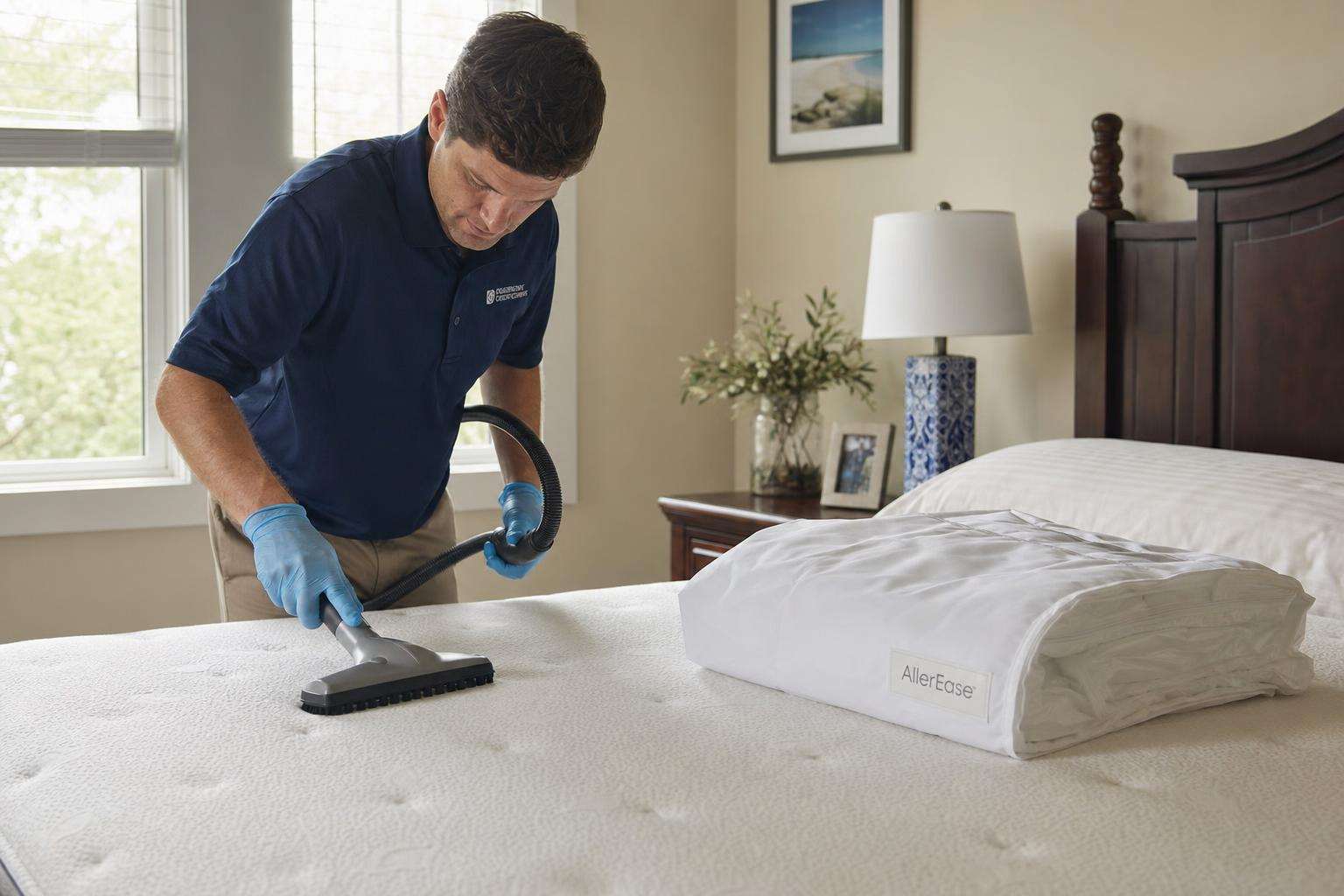
Environmental Health Made bed with allergen-proof cover packaging and closed window on high pollen day, no people
Illustration: Health Canon

dust mitesHEPApet dandermold damppollen

Bottom line

Trigger ID, dust mites, humidity, HEPA, pets, dampness—source control before gadget stacks.

  • Identify triggers before buying devices — Dust mites, pets, mold, and pollen need different controls; untargeted purifiers waste money.
  • Allergen-barrier bedding + wash hygiene — Encasing pillows/mattresses and hot washing sheets is cheaper than whole-house equipment for many mite-allergic people.
  • Fix moisture and mold sources — Dampness drives mite growth and mold exposure; bleach perfume is not remediation.

How we built this guide

Ranked indoor allergy controls by exposure time, evidence alignment with IAQ guidance, cost, and risk of masking symptoms instead of sources.

  • Dose / clinical impact. Likely effect on exposure or health decision quality.
  • Evidence base. Agency guidance, trials, or consensus statements.
  • Adherence cost. Money, time, and household friction.
  • Harm of misuse. Whether bad execution creates new risks.

Key takeaways

  1. Identify your likely triggers before buying devices
  2. Use dust-mite barrier bedding and a hot-wash cadence
  3. Control indoor humidity without over-drying the air
  4. Add HEPA filtration where particles actually matter
  5. Zone pet allergens without relying on magical claims
  6. Fix dampness and mold as source control

Identify your likely triggers before buying devices

Wrong allergen, wrong intervention

Indoor allergic disease commonly involves dust mites, animal dander, cockroach allergens, mold, and indoor-outdoor pollen tracked inside—each with different control strategies. Buying a premium air purifier without knowing whether symptoms track pets, bedrooms, seasons, or damp basements is how households accumulate unused gadgets. Ranked first because clinical history, timing diaries, and when appropriate allergy testing directed by a clinician change the entire stack. Occupational and school exposures may dominate home perfectionism. Food allergy is a separate pathway from inhalant rhinitis and needs different rules. Anaphylaxis history requires epinephrine plans and medical care, not only HEPA filters. Keep a two-week symptom log with location, tasks, and open-window days before major purchases. Pharmacologic control with antihistamines, nasal corticosteroids, or asthma plans remains guideline care when indicated—environmental steps are additive. Avoid Facebook group diagnosis of “toxic mold” versus ordinary allergic rhinitis without assessment. If symptoms include severe wheeze, chest tightness, or night-time breathlessness, prioritize medical evaluation over DIY projects. This identification step also prevents unnecessary pet rehoming when mites or pollen are the true drivers.

Who this is for: Anyone with chronic rhinitis or indoor-triggered asthma symptoms

Do

  • Prevents mismatched spending
  • Integrates clinical care pathways
  • Uses timing clues households already have
  • Avoids premature pet decisions

Watch out

  • Testing access and cost; symptoms can be multifactorial

Use dust-mite barrier bedding and a hot-wash cadence

Bedroom first: longest exposure window

Dust mites thrive in warm, humid bedding microclimates and feed on skin scales. For mite-allergic individuals, encasing mattresses and pillows in tightly woven or labeled allergen-barrier covers, washing sheets weekly in hot water when fabric allows, and reducing heavy dust-trapping clutter near the bed are high-yield steps. Ranked as best value because capital cost is modest compared with whole-home HVAC overhauls and the bedroom dominates sleep hours. Carpeting, stuffed toys, and upholstered headboards can act as reservoirs—prioritize the sleep surface before perfecting the guest room. Dehumidification helps because mites need moisture; see humidity item. Evidence for extreme measures like removing all carpets is mixed in real homes but can help selected severe cases. Do not run essential-oil “mite bombs” as a substitute for covers and washing. Allergen-proof does not mean airtight plastic misery—modern covers balance breathability and barrier performance. Replace degraded foam pillows that cannot be washed. Coordinate with partners who may not share allergy severity so laundry cadence remains realistic. Measure success by symptoms and medication need, not by imaginary zero-mite purity.

Who this is for: Dust-mite allergic sleepers and parents of allergic children

Do

  • Targets longest nightly exposure
  • Lower cost than HVAC overhauls
  • Clear, teachable household rules
  • Stacks with humidity control

Watch out

  • Incomplete if major reservoirs elsewhere; hot-wash fabric limits

Control indoor humidity without over-drying the air

Mites and mold share a moisture preference

Relative humidity in roughly the mid range—often discussed around forty to fifty percent for comfort and mite control—reduces dust-mite growth potential and discourages damp-related mold while avoiding extreme dryness that irritates airways for some people. Use exhaust fans during showers and cooking, fix leaks promptly, and deploy a dehumidifier in chronically damp basements or humid climates with a clean water tank schedule. Ranked high because moisture is an upstream driver for multiple biological allergens, not only mites. Hygrometers are inexpensive feedback tools; do not trust comfort alone in sealed modern homes. Air conditioning can lower humidity while cooling, but filters still need maintenance. Overusing humidifiers in winter without cleaning creates aerosolized microbial risks—follow device hygiene. Flood and sewage events need professional standards, not retail “odor eliminators.” Renters should document chronic dampness for landlords because it is a housing quality issue. Pair humidity control with ventilation strategy appropriate to outdoor air quality and pollen peaks. This is physics and biology, not a personality project about cleanliness shame.

Who this is for: Humid climates, basements, and mite/mold-prone homes

Do

  • Upstream control for mites and mold
  • Inexpensive monitoring
  • Protects building materials too
  • Works across seasons with different tools

Watch out

  • Climate and housing stock limit control; device maintenance required

Add HEPA filtration where particles actually matter

Particles yes; gases and fragrances no

True HEPA filtration captures a high fraction of fine particles including many pollen grains, some dander-laden dust, and other aerosols when air actually passes through the filter. Portable HEPA units help most in a single closed room such as a bedroom run for hours; whole-home HVAC upgrades need compatible filter ratings and airflow design. Ranked mid-high because filtration is supportive, not a substitute for source control of pets, mites, or mold moisture. Match clean air delivery rate to room size and close windows during peak outdoor pollen if pollen is the trigger. Replace filters on schedule—clogged filters reduce performance and can strain motors. Do not confuse ionizers and fragrance “purifiers” with HEPA particle control; some gadgets add indoor chemistry. Carbon stages can help odors and some gases with different maintenance needs. For wildfire smoke days, HEPA guidance overlaps allergy tactics but dose and duration differ. Measure benefit by symptom diaries rather than expecting laboratory zero counts. Keep cords and noise constraints realistic so the unit actually runs at night.

Who this is for: Particle-driven allergic rhinitis and bedroom-focused control

Do

  • Evidence-aligned for particle reduction
  • Bedroom-scale deployments are practical
  • Useful on pollen and smoke days
  • Complements source control

Watch out

  • Does not remove gases/VOCs alone; wrong sizing underperforms

Zone pet allergens without relying on magical claims

Dander is sticky; baths are partial

Cat and dog allergens spread on clothing, soft surfaces, and air, and they persist after a pet leaves a room. For pet-allergic people who keep animals, realistic steps include keeping pets out of the allergic person’s bedroom, washing hands after contact, vacuuming with HEPA-capable machines, and washing pet bedding regularly. Ranked below mites and moisture because rehoming is sometimes medically necessary yet emotionally costly—and because half-measures fail when pets sleep on pillows. Hypoallergenic breed marketing is often overstated; individual responses vary. Bathing dogs can temporarily reduce allergen load but is not a cure and must be animal-welfare appropriate. Air purifiers help somewhat for airborne fractions but do not clean settled reservoirs. Occupational exposure to animals is a different control hierarchy. If symptoms are severe asthma, work with clinicians on medical therapy and consider whether home exposure is compatible—environmental honesty beats guilt. New pets should not be added during uncontrolled allergic asthma. Track symptoms when traveling without pets as a natural experiment. Communicate household rules clearly so non-allergic members do not undermine bedroom exclusion.

Who this is for: Pet-owning allergic households negotiating coexistence

Do

  • Preserves human-animal bonds when safe
  • Clear spatial rules
  • Pairs with laundry and vacuum habits
  • Informs difficult rehoming decisions with data

Watch out

  • Incomplete control if pet remains; emotional conflict is real

Fix dampness and mold as source control

Moisture first—fogging last

Damp indoor environments support mold growth and are linked in public-health literature to respiratory symptoms and asthma exacerbations. The control hierarchy is stop water intrusion, dry wet materials quickly, remove unsalvageable porous materials, and clean non-porous surfaces with appropriate protection—not perfume, ozone machines, or bleach-only theater on wet drywall. Ranked high for musty homes even when classic seasonal pollen is also present, because mixed exposures are common. Small isolated areas may be homeowner-manageable; large contamination, sewage, or HVAC involvement needs professionals. People with severe asthma or immunosuppression should use lower thresholds for relocation during major remediation. Renters must document and escalate. Pair with outdoor ventilation only when outdoor air is not itself a pollen or smoke problem. Avoid chronic essential-oil masking that adds airway irritants. Post-flood timelines matter: materials wet beyond a day or two often need removal rather than surface wiping. This step is environmental health fundamentals supporting allergy control, not a standalone diagnosis of complex chronic syndromes.

Who this is for: Musty, leak-prone, or post-wetting homes with respiratory symptoms

Do

  • Strong public-health framing on dampness
  • Addresses root moisture drivers
  • Protects structure and lungs
  • Scales DIY to professional

Watch out

  • Can be expensive; landlord barriers; misattribution risk

Frequently asked

Will an air purifier cure my allergies?

No device cures allergic disease. HEPA filtration can reduce airborne particles in a room when sized and run correctly, but source control for mites, pets, dampness, and pollen still matters. Medications and allergen immunotherapy are clinical tools when indicated. Treat purifiers as one layer in a stack.

How often should I wash sheets for dust mites?

Weekly washing of sheets and pillowcases is a common practical target, using the hottest water the fabric allows. Pair with mattress and pillow encasements for mite-allergic sleepers. Perfect daily laundry is less important than consistent weekly cadence and bedroom source control.

Should I get rid of my cat?

Not automatically. Try bedroom exclusion, cleaning, medical therapy, and clinician guidance first if asthma is controlled. Severe, uncontrolled allergic asthma with clear pet causation may require more definitive exposure reduction. This is a medical and household decision—not internet shaming or a first resort.

Is bleach the best mold cleaner?

Moisture control and material removal for porous moldy items outrank bleach theater. Bleach can irritate airways and does not fix wet cavities. Small non-porous surfaces can be cleaned carefully; larger problems need professionals. Fix leaks first. Confirm details with a qualified clinician or primary guidance document when your situation is high-stakes.

Do I need allergy testing before changing my home?

Not always for basic low-cost steps like washing bedding and reducing dampness. Persistent, severe, or unclear symptoms benefit from clinician evaluation that may include testing so you do not spend on the wrong interventions. Emergency symptoms need urgent care, not home projects.