Environmental Health
Aflatoxin: Food, Occupational Exposure, and Health Stakes
Aspergillus toxins in crops versus workplace dust—dose ladders that matter.
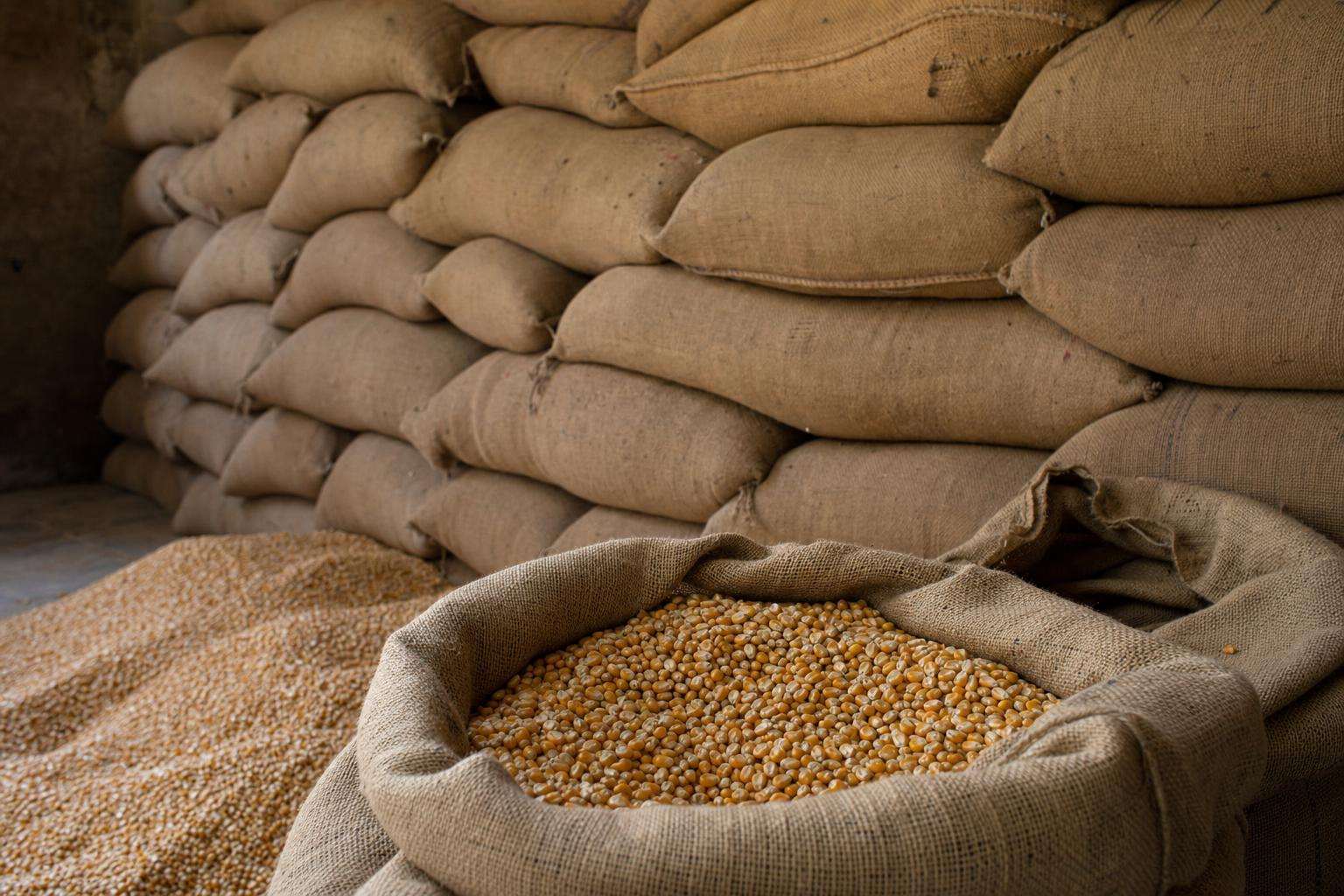
Aflatoxins are among the most consequential food mycotoxins, with liver cancer risk amplified by hepatitis B in high-exposure regions. Occupational grain dust is a separate high-load pathway. Home dampness is not the same ladder.
Mycotoxin literacy starts with dose and route. Food oral exposure and farm dust are real; comic-book toxic mold stories usually are not aflatoxin toxicology.
This article is informational and editorial only. It is not medical advice, diagnosis, or a treatment plan. Numbers and literature ranges cited here are not personal prescriptions. Consult a qualified clinician before changing medications, supplements, diet, prenatal vitamins, housing remediation plans, or management of a diagnosed condition. Seek urgent care for emergencies.
What is aflatoxin and where does it appear?
WHO and FDA describe aflatoxins produced mainly by certain Aspergillus species on crops under conducive climate and storage conditions. Regulatory monitoring and action levels aim to keep market foods within limits.
In high-burden regions, contaminated staples historically drove major public-health impact. In tightly regulated retail markets, average exposures are typically lower but not a reason for zero vigilance on storage quality.
| Setting | Primary route | Dominant stakes |
|---|---|---|
| Contaminated staples (high-burden regions) | Oral | Liver disease/cancer risk with HBV |
| Regulated retail nuts/grains | Oral | Monitoring + storage quality |
| Grain handling work | Inhalation dust | Respiratory + high load |
| Damp home bathroom | Spores/irritants | Asthma/irritation; not AFB1 meals |
How do occupational and residential stories differ?
Agricultural dust inhalation can deliver high fungal and particulate loads. CDC mold guidance for homes emphasizes moisture control and respiratory health rather than aflatoxin blood tests for every musty smell.
Editorial rule: label the route—oral food versus inhalation dust versus residential dampness—before citing cancer statistics.
What actions are proportionate?
Support hepatitis B vaccination where indicated; store nuts and grains dry; discard spoiled foods; use PPE in dusty grain work; fix home leaks for asthma control. Skip urine mycotoxin panels as a closed diagnostic loop for nonspecific symptoms without clinical context.
If you work in bulk agriculture, ask occupational health about dust control—not a wellness mold coach alone.
What should careful readers do with this evidence?
Translate research into personal decisions carefully. Population averages, laboratory teaching values, and regulatory monitoring tables are not individualized prescriptions. Prefer primary sources—agency guidelines, peer-reviewed systematic reviews, and trial outcome papers—over social media summaries that collapse detection into danger or genotype into destiny. When a claim would change medications, pregnancy planning, major diet restriction, or expensive testing, demand an outcome study or a guideline that actually supports the action.
Keep differential diagnosis open. Fatigue, brain fog, subfertility, and nonspecific symptoms have many causes. Environmental and genetic axes can matter, but they compete with sleep, training load, iron status, thyroid disease, mood disorders, infection, and medication effects. Sequence high-yield fundamentals first, then targeted evaluation, then optional optimization.
Re-check claims when new primary documents appear. Editorial discipline means stating uncertainty out loud and grading actions by outcomes rather than by how viral a pathway diagram becomes. Reversible low-cost habits usually dominate high-cost cascades built on weak intermediate biomarkers. If a protocol cannot name its effect size, population, and failure mode, it is not ready for first-line lifestyle theater. Document what would change your mind and what finding would escalate care to a clinician or building professional.
Re-check claims when new primary documents appear. Editorial discipline means stating uncertainty out loud and grading actions by outcomes rather than by how viral a pathway diagram becomes. Reversible low-cost habits usually dominate high-cost cascades built on weak intermediate biomarkers. If a protocol cannot name its effect size, population, and failure mode, it is not ready for first-line lifestyle theater. Document what would change your mind and what finding would escalate care to a clinician or building professional.
Re-check claims when new primary documents appear. Editorial discipline means stating uncertainty out loud and grading actions by outcomes rather than by how viral a pathway diagram becomes. Reversible low-cost habits usually dominate high-cost cascades built on weak intermediate biomarkers. If a protocol cannot name its effect size, population, and failure mode, it is not ready for first-line lifestyle theater. Document what would change your mind and what finding would escalate care to a clinician or building professional.
Re-check claims when new primary documents appear. Editorial discipline means stating uncertainty out loud and grading actions by outcomes rather than by how viral a pathway diagram becomes. Reversible low-cost habits usually dominate high-cost cascades built on weak intermediate biomarkers. If a protocol cannot name its effect size, population, and failure mode, it is not ready for first-line lifestyle theater. Document what would change your mind and what finding would escalate care to a clinician or building professional.
Re-check claims when new primary documents appear. Editorial discipline means stating uncertainty out loud and grading actions by outcomes rather than by how viral a pathway diagram becomes. Reversible low-cost habits usually dominate high-cost cascades built on weak intermediate biomarkers. If a protocol cannot name its effect size, population, and failure mode, it is not ready for first-line lifestyle theater. Document what would change your mind and what finding would escalate care to a clinician or building professional.
Re-check claims when new primary documents appear. Editorial discipline means stating uncertainty out loud and grading actions by outcomes rather than by how viral a pathway diagram becomes. Reversible low-cost habits usually dominate high-cost cascades built on weak intermediate biomarkers. If a protocol cannot name its effect size, population, and failure mode, it is not ready for first-line lifestyle theater. Document what would change your mind and what finding would escalate care to a clinician or building professional.
Sources & citations
Frequently asked